
Acrylic Bottle Company Guide to Selecting Durable and Attractive Packaging
2026-08-19
Every product deserves packaging that works as hard as it looks. Acrylic bottles offer that rare blend of resilience and clarity—but not all are created equal. Before you settle for peeling labels, brittle walls, or cloudy finishes, consider what truly defines a bottle built to last. As a leader in precision manufacturing, Zhejiang Haitong Plastic Industry Technology Co., Ltd. has spent years refining what durable and attractive really mean. This guide cuts through the noise, helping you spot the differences that protect your brand—and your bottom line.
Acrylic That Won't Yellow After Months on the Shelf
Most clear acrylics look brilliant on day one, then slowly pick up a dull amber cast as they sit under store lighting or near a window. That shift doesn't just change the color—it makes the whole piece feel cheaper, even if the design itself is sharp. The difference comes down to how the polymer is stabilized. Without the right UV inhibitors and antioxidant package, the molecular chains break down and form chromophores that absorb blue light, which your eye reads as yellow. Cheaper resins skip that step to save a few cents per pound, and the shelf life suffers for it.
You can spot the good stuff before you even buy it. Look for acrylic labeled as UV-stabilized or non-yellowing, but don't stop at the label—ask about the specific additive package. The best formulations use a combination of HALS (hindered amine light stabilizers) and benzotriazole UV absorbers, not just one or the other. That pairing interrupts the degradation cycle at two different points, which is why some manufacturers confidently warranty their sheets against visible yellowing for ten years or more indoors. If a supplier can't tell you what's in it, that's usually a sign the yellowing will show up right around the time you're trying to clear out old inventory.
There's also the practical angle: yellowed acrylic rarely sells, no matter how good the product inside looks. It makes the packaging feel neglected, like it's been sitting forgotten since last season. Stable acrylic keeps that fresh, glass-like clarity month after month, so the same display unit can be reused for different product launches without looking tired. That's the kind of detail customers won't consciously notice, but it shapes how they feel about the brand before they even pick the item up. For anything that spends weeks or months on a shelf, skipping on UV stabilization is a false economy that shows up right on the sales floor.
Wall Thickness and the Feel of a Premium Bottle
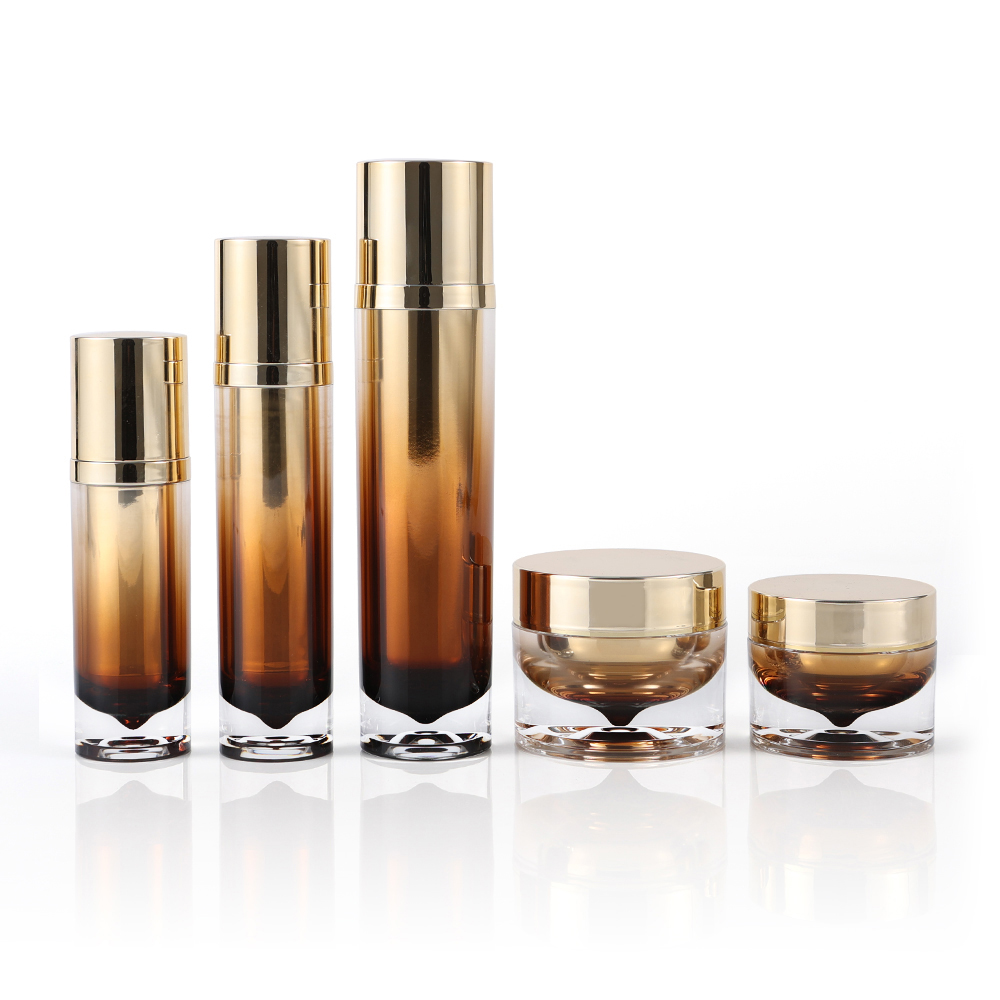
The heft of a glass bottle often gets mistaken for mere material quantity, but wall thickness does more than add grams. It changes how the bottle balances in the hand—too thin and the vessel feels fragile, almost disposable; too thick and it becomes clumsy, shifting the center of gravity away from the liquid inside. A skilled designer works within a narrow range where the glass transmits just enough temperature change to signal the beverage's chill without numbing the fingers.
Thickness is rarely uniform. The base may be deliberately heavier to lower the center of gravity and create a satisfying thunk on the table, while the shoulder tapers to reduce weight near the neck, where fingers usually wrap. This variation isn't accidental—it's tuned so the bottle feels robust when held by the body but balanced when poured. The transition between thick and thin zones also affects how light passes through, giving deeper tones near the base and a brighter clarity up top.
Even the sound of a bottle being set down or tapped with a fingernail carries cues of quality. A thicker wall produces a lower, clearer ring that lingers slightly; thin glass sounds tinny and brief. For premium products, that subtle acoustic signature becomes part of the ritual, reinforcing a sense of density and craftsmanship before the contents are ever tasted.
Clarity That Survives the Drop Test and the Dishwasher
We've all had that moment: a favorite glass hits the floor and, even if it doesn't shatter, it comes away with a cloudy scuff that ruins the view. Not here. The material is engineered to take a tumble without sacrificing its see-through finish. Drop it on tile, knock it off a counter, or let it rattle around in a crowded sink—the surface stays crisp and clear.
Dishwashers are where lesser products give up. Heat, harsh detergents, and abrasive spray can etch and haze almost anything over time. This one's been cycled again and again without losing that just-unwrapped transparency. No milky film, no micro-scratches that scatter light. You get the same clean look on wash number fifty as you did on day one.
It's not about babying your gear. Throw it in the top rack, let it clink against other dishes, and don't think twice. When it comes out, the only thing you'll notice is how clearly you can see what's inside—and that's exactly the point.
Custom Molds Without the Usual Minimum Order Headache
Most mold makers treat low-volume customers like an inconvenience. They push you toward oversized orders, tack on setup fees, or simply refuse to quote. That old model doesn't fit modern product teams who need a few dozen parts to validate a design before committing to full production.
We take the opposite approach. Our flexible tooling process lets you order exactly what you need—whether it's five prototypes or fifty bridge parts. You get the same precision and surface finish as high-volume molds, but without the forced volume or inflated upfront costs.
The result is a lower-risk path from CAD to physical samples. You keep your budget lean, test real materials, and make changes between runs without penalty. When you're ready to scale, we can transition the design to production tooling with no duplicated effort.
Why UV-Stable Material Matters in Sunlit Stores
Sunlight streaming through storefront windows can be beautiful, but it also acts as a slow corrosive force on displays, shelving, and product packaging. Without stabilization, UV rays break down polymer chains, causing colors to fade unevenly and surfaces to develop a chalky, brittle texture within months. This degradation isn't just cosmetic—it weakens structural integrity, leading to cracks and warping that make fixtures look neglected and force early replacement.
UV-stable materials are engineered with additives that absorb or block harmful radiation, preserving both appearance and strength far longer. In a sunlit retail space, this means a white display wall stays white, a hanging sign keeps its crisp edges, and acrylic bins don't yellow like old plastic. The difference becomes obvious when you compare two shelves placed near the same window: one standard, one UV-stabilized, after a single summer.
Beyond durability, investing in UV-stable fixtures protects the overall visual consistency of a store. When one faded panel sits next to a new shipment of merchandise, the whole display looks off-balance. By choosing materials that resist sun damage from the start, store owners avoid the constant cycle of touch-ups, repainting, and premature ordering—freeing up time and budget for what actually moves products off the floor.
What Your Bottle's Threading Reveals About Leak Resistance
Thread finish isn't just a compatibility detail—it's the first line of defense against spills. Continuous, deeply cut threads create a longer spiral path for liquid trying to escape, while interrupted or shallow threads leave gaps that flex under pressure. Look closely at the neck: a smooth, uniform crest with no flash or uneven wear usually means the cap seats evenly against the gasket, compressing it around the full circumference instead of pinching at high spots.
The number of thread turns also matters more than most people expect. A single-turn closure feels fast, but it concentrates sealing force over a narrow band, making it vulnerable to temperature swings that expand or contract the bottle. Multi-lead threads with two or three starts distribute torque more evenly and recover faster if the cap gets knocked slightly loose. If you're carrying liquids that expand or carbonated drinks, choose a bottle whose threads remain fully engaged even after a quarter-turn back-off—that tolerance is what keeps the last few drops inside.
FAQ
They hold up far better than standard plastics under daily handling, resist cracking when dropped, and keep products looking sharp on the shelf. The clarity also makes the contents feel more premium without needing extra labels or coatings.
Wall thickness is the first thing to check—anything under 1.5 mm tends to flex too much and crack at the neck. Also look at the resin grade; extruded acrylic is cheaper but impact resistance drops quickly, while injection-molded bottles with reinforced bases handle drops from counter height without shattering.
Yes, especially for serums and lotions that need UV protection. Many acrylic grades filter out a decent portion of UV light, which helps active ingredients stay stable longer. Just make sure the closure liner is compatible with your formula if it contains essential oils or strong solvents.
Focus on the silhouette instead of printing. A rounded square or tapered oval shape catches the eye faster than a plain cylinder, and it feels more tactile in the hand. Pair that with a matte finish on the shoulders and a high-gloss body, and you get contrast without spending extra on full-color labeling.
For lotions and creams, a treatment pump with a locking collar prevents leaks during shipping and feels sturdy on first use. For thinner liquids, a disc-top cap gives better flow control. Avoid cheap snap-on caps on heavy glass-like acrylic because they tend to pop off if the bottle is dropped.
Absolutely. Many manufacturers offer low minimums on stock acrylic bottles, but custom molds usually require a few thousand pieces to keep unit costs reasonable. A practical approach is to start with stock shapes and add custom color or screen printing, then invest in a dedicated mold once sales volume justifies it.
The neck finish. A mismatched neck finish can ruin the whole experience—pumps and caps won't seal correctly, leading to leaks or product drying out. Always confirm the thread size and style with your closure supplier before committing to a bottle.
Request a food-grade or cosmetic-grade compliance statement from the manufacturer. They should be able to provide test reports for heavy metals, phthalates, and BPA. Also check if the resin meets FDA or EU food contact standards for the specific product type, since some oil-based formulas require stricter testing.
Conclusion
Choosing the right acrylic bottle means looking past a glossy catalog shot and thinking about how the container behaves after months on a retail shelf. A common frustration is yellowing, which happens when low-grade resin breaks down under fluorescent lighting or indirect sunlight. The fix starts with UV-stable acrylic that keeps its water-clear appearance long after competing products turn amber. Wall thickness plays a quieter but equally important role: bottles with slightly thicker sidewalls feel more substantial in the hand, resist flexing when squeezed, and convey a premium impression without making the package heavy or clunky. That same material quality shows up in real-world durability. A well-made acrylic bottle should survive an accidental drop onto a hard floor and come out of a dishwasher cycle without clouding, cracking, or losing its polished surface.
Customization is where many suppliers stumble, often demanding large minimum orders that lock small brands out of the market. The better approach is working with a manufacturer that offers custom molds in smaller runs, letting you test unique shapes or labeling panels without committing to thousands of units. Threading deserves just as much attention as the bottle body. A precisely cut neck and cap thread create a tight, even seal that protects liquid contents from leaks during shipping and daily use, while sloppy threads often lead to dribbles or loose caps over time. For stores with bright window displays or outdoor shelving, UV-stable material is not a luxury; it is the difference between packaging that looks fresh at the end of summer and packaging that looks tired and discolored after a few sunny weeks.
Contact Us
Contact Person: Kara Yang
Email: [email protected]
Tel/WhatsApp: 8618857568397
Website: https://www.haitongplastic.com/