
Bag in Box Dispenser Selection Guide: Top Picks for Every Setup
2026-11-16
Whether you’re pouring wine at a bustling bar or dispensing syrup in a compact coffee corner, the right bag-in-box dispenser transforms your workflow. It’s not just about speed—it’s about mess-free consistency and lasting durability. This guide walks you through standout options tailored to every setup, with a spotlight on Kody’s lineup that quietly outshines generic alternatives. Let’s find the fit that makes every last drop count.
What Really Matters When Choosing a Bag-in-Box Dispenser
A sleek look or extra nozzle attachments won’t rescue a dispenser that drips syrup all over your countertop. The first thing to lock down is how reliably the unit handles the viscosity of whatever you’re pushing through it. Run a mental checklist: will this work just as well with a thick cold-brew concentrate as it does with a thin sanitizing solution? The best models keep their seals tight across a range of textures and don’t lose pressure halfway through a bag. If a dispenser can’t deliver consistent flow without wheezing or leaking, every other feature is just noise.
Day-to-day practicality often gets lost in spec sheets. Think about who’ll be swapping out the bags and how often that happens during a rush. A loading mechanism that requires three hands or a degree in reverse engineering will slow everyone down. Look for a design where the bag slides into place with minimal force, the connector clicks audibly, and nothing needs to be lined up with surgical precision. Also pay attention to how the outer housing opens—if it takes a tool or a trick to access the inner cradle, it’ll collect dust instead of frequent use. Easy cleaning access matters just as much; trapped residue in hard-to-reach corners is a fast track to flavor carryover and unnecessary service calls.
Speed and portion accuracy tend to surface only after you’ve already bought something that pours too slow or drowns a cup. A good dispenser barely makes people wait—about two to three seconds for a standard serving feels invisible, while anything beyond five seconds tests patience. Equally, the shut-off should be crisp. A lag that leaves extra liquid dribbling out after you release the tap wastes product and messes with consistency. The real test is running the same bag across a full shift and seeing if the last pour matches the first one in volume. That’s where a well-engineered valve separates itself from a piece of plastic that simply opens and closes.
Countertop vs. Freestanding: Which Fits Your Flow?
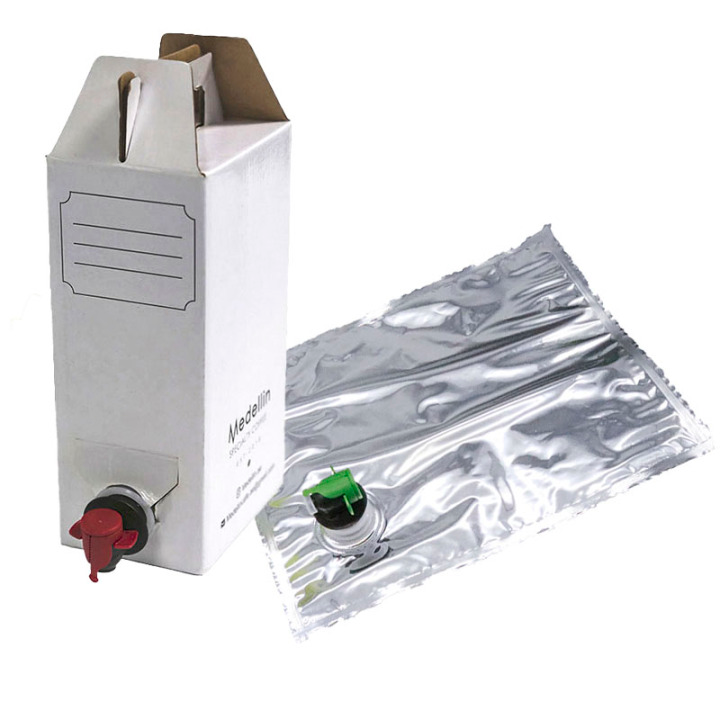
Picking between a countertop and a freestanding appliance often comes down to the rhythm of your daily routine. If you find yourself reaching for the same tool every morning—say, a compact ice maker or a nimble blender—keeping it on the counter means no hauling, no setup, just instant action. The trade-off is real estate. Every square inch claimed by that gadget is space you can’t use for chopping, kneading, or casually leaning with a cup of coffee. So ask yourself: does this item earn its permanent spot, or is it just a guest that overstays its welcome?
Freestanding models offer a different kind of freedom. They live tucked away in a pantry, on a shelf, or in a corner until summoned. This keeps your countertops visually calm and functionally open—ideal if your cooking style shifts from expansive weekend projects to no-fuss weekday meals. The hidden cost, though, is friction. If dragging out a heavy mixer or a bulky air fryer feels like a chore, odds are you’ll start reaching for simpler alternatives, and that versatile appliance may gather dust. It’s a classic argument of accessibility versus flexibility, where your actual habits, not aspirational ones, hold the answer.
A few practical checks can guide the decision. Watch your own patterns for a week: what tools do you use daily, and which sit forgotten? Consider the flow between your sink, stove, and prep area—does a freestanding unit block a natural path, or can a countertop workhorse slide right into your mise en place? Think less about what looks streamlined in a brochure and more about the quiet negotiations your kitchen makes with your schedule. The right choice isn’t about rules; it’s about what lets you move through cooking without a second thought.
Quick Sips or High Volume: Matching Dispenser Speed to Demand
Picture a busy morning rush at your favorite café. The line snakes toward the counter, and every second counts. A dispenser that trickles out hot water for a single tea bag while the espresso machine hums along at full throttle creates a bottleneck that frazzles both staff and customers. Matching speed to demand isn't just about moving liquid faster—it's about reading the rhythm of your service. When you know peak times call for high-volume dispensing and slower periods can afford a more measured pour, you prevent needless waits and keep the workflow feeling effortless.
But it's not always a race. In settings where precision matters more than pace—think craft cocktail bars or a specialty coffee pour-over station—a slower dispense can be a deliberate choice. Here, a quick gush would ruin the balance of flavors or send ice scattering across the counter. The trick lies in adjustable flow rates and smart pump systems that let you shift gears without swapping out equipment. A dispenser that can deliver a controlled, gentle stream for a delicate infusion and then crank up to fill a large batch container in seconds opens up possibilities that a one-speed machine simply can't match.
The real win comes when speed adapts automatically. Imagine sensors that detect container size and adjust the flow, or programmable presets that let you toggle between a gentle pour for a tasting flight and a rapid fill for takeaway jugs. This kind of nuanced control cuts down on manual guesswork and stops the small frustrations that build up over a shift. Whether you're serving two or two hundred, a dispenser that truly aligns with demand turns what could be a hidden friction point into a seamless part of your operation.
The Overlooked Details That Prevent Leaks and Messes
It’s rarely the obvious crack that causes the worst spills. More often, the culprit is a worn gasket sitting just slightly out of alignment, or a seal that has stiffened quietly over hundreds of temperature cycles. These tiny gaps don’t announce themselves with dramatic failure – they begin as faint damp spots, a slow seep that dries before anyone notices. Paying attention to the mating surfaces where metal meets plastic or rubber, and ensuring they’re debris-free and properly seated, turns out to be far more valuable than adding extra tightening force.
Another habit that separates leak-free setups from constant mopping is respecting the thread. Teflon tape and liquid sealants are treated as cure-alls, but their effectiveness collapses when applied in the wrong direction or layered too thick. A single clean wrap that follows the spiral, pulled taut enough to sink into the grooves, does more than three messy layers ever will. And for compression fittings, the real art lies in not overtightening – a brass ferrule that bites too deeply can ruin the pipe’s surface just enough to create a permanent slow drip.
Beyond the hardware, the most overlooked detail is the fluid itself. Thermal expansion, chemical softening, or simply a viscosity that changes with age can defeat a perfectly installed seal over time. Keeping a small log – mental or written – of what’s actually flowing through the system, at what temperatures, and when seals were last checked, often catches failures before they leave a puddle. It’s this quiet, observational discipline that prevents the midnight messes no one wants to clean.
Favorite Picks for Coffee Shops, Bars, and Home Kitchens
There’s a tiny espresso bar tucked behind a record shop on the Lower East Side that pulls the most velvety cortado I’ve ever tasted. The barista, a chain-smoking Italian transplant, treats milk steaming like a holy ritual, and the resulting microfoam is so oily and sweet it could pass for melted ice cream. The space is cramped, perpetually smelling of wet cardboard and vinyl sleeves, but the coffee is serious enough to make you forget the lack of seating. I only go on rainy Tuesdays when the line thins out, and I never tell tourists about the off-menu shakerato.
For a bar that actually delivers on mood without a shred of pretension, I keep circling back to a dim, wood-paneled spot in Greenpoint where the bartender remembers your drink after the second visit and won’t flinch if you ask for a Last Word with mezcal instead of gin. Their house martini arrives with a sidecar of pickled ramp brine instead of olive juice—a move so sharp and briny that it rewires your understanding of what a cocktail garnish can do. No Edison bulbs, no ironic taxidermy. Just a long zinc bar, an unusually deep amaro selection, and the kind of quiet where you can actually talk.
In my own kitchen, I’ve started stocking things that make a 10 p.m. whim feel like a deliberate ritual. The Hario cold brew pot stays in constant rotation during summer, yielding a concentrate so clean and chocolatey it needs nothing more than a single ice sphere. I also keep a squat bottle of Cocchi Americano in the fridge door, because it turns a simple highball of soda water and grapefruit peel into something that tastes like a garden party. And lately, a thrifted 1970s Salton yogurt maker has become the unexpected centerpiece—just whole milk, a spoonful of previous batch, and eight hours of low, steady warmth to produce the smoothest, least apologetically tart yogurt I’ve ever made. No multistep fermentation rig, no culturing sachets, just a machine that looks like a cousin to a lava lamp and a patience I didn’t know I had.
Simple Habits to Keep Your Dispenser Running Smoothly
A quick wipe with a damp cloth after each use can feel like a small thing, but it’s often the difference between a dispenser that works without fuss and one that eventually jams. Drips dry into a stubborn film over time, especially with soaps that contain thicker moisturizers. Taking ten seconds to clear the nozzle and the surrounding area keeps buildup from settling in places you can’t easily reach later.
Many people overlook the simple act of running warm water through the unit every couple of weeks, even if the bottle still has product left. This clears micro-clogs that aren’t yet visible and prevents the pump mechanism from stiffening. If you notice the spray pattern becoming uneven or weak, a quick flush often restores the feel of a new dispenser without breaking anything down.
Pay attention to how the refill sits. A cartridge that’s even slightly tilted can cause the suction tube to draw in air instead of liquid, leading to sputtering and extra wear on the motor in automatic models. When you pop in a fresh pouch or bottle, press it firmly into place until you feel that subtle click or see it settle flush with the housing—it’s a habit that adds months to the dispenser’s life and saves you from unnecessary troubleshooting.
FAQ
It’s a simple system that pumps liquids directly from a sealed bag inside a cardboard box—think wine, juice, syrup, or even cleaning concentrates. The dispenser fits onto a tap or spout, letting you serve precise amounts without ever opening the bag. You need one if you’re tired of drips, spoilage, or wrestling with jugs; it keeps contents fresh for weeks by blocking air exposure, and it’s a staple in bars, cafes, and home kitchens where portion control matters.
Start with your volume and pace. Manual pump dispensers handle low to moderate use well; they’re dead simple and require no power. Electric models are faster and easier on your hands if you’re pouring dozens of glasses an hour—ideal for busy bars. Gravity-fed systems are the quiet, effortless choice for a fixed installation, but you’ll need a spot to hang the box or a stand. Match the coupler to your bag’s fitment too; not all connectors are universal, so check if you’re running standard BIB sizes or proprietary ones.
Absolutely. Look for low-profile countertop pumps with a small footprint—some are barely larger than the bag’s spout. Wall-mounted or under-cabinet brackets move the box out of your workspace entirely. A few brands make slim electric dispensers that tuck into a corner and run on rechargeable batteries. Skip the dedicated stands unless you have floor space; a simple clamp-on pump attached to the box itself often does the trick and stores away in a drawer when not in use.
Speed and reliability top the list. An electric dispenser with a high-flow pump cuts pour time per drink. Make sure it’s rated for continuous use—motors that overheat will drive your staff nuts. Look for a quick-disconnect design that lets you swap bags in under ten seconds. Parts that contact liquid should come apart without tools for nightly cleaning. Stainless steel internals hold up better than plastic, and having a drip tray that actually catches splatter saves you constant wiping during a rush.
You can, but it takes a little care. Flush the line with hot water between changes and run a sanitizing cycle if you’re switching between drastically different products—especially dairy-based syrups or anything that leaves a residue. Dedicated quick-change silicon tubing helps; swap the hose and nozzle assembly in seconds rather than rinsing forever. If flavors are delicate, like a white wine after a heavy syrup, a second pump head is cheap insurance against ghost notes.
Clogs usually come from dried product or forgotten pulp. After each bag, rinse the tubing and nozzle with warm water immediately—don’t wait. Every week, run a food-grade sanitizer through the lines and let it sit for five minutes. Disassemble the tap or pump head and soak overnight if you notice any stickiness. For pulpy juices or thick mixes, a strainer on the intake side saves you deep-cleaning headaches. And if you’re storing the dispenser empty, leave it disassembled so air dries everything fully.
A few workhorses keep popping up in restaurant supply circles. Look for all-metal pump bodies with replaceable seals—the kind where you can buy a rebuild kit instead of tossing the whole unit. Brands like Lancer, Cornelius, and Perlick dominate commercial setups because their parts are standardized and easy to source. For homes, the simple lever-style pumps from companies like FastFlow or even the Italian-made Enopumps last for years if you avoid overtightening the connection. Avoid cheap plastic gears; they strip under pressure and leave you with a paperweight.
Conclusion
Choosing the right bag-in-box dispenser goes beyond picking a unit that looks sturdy—it’s about how quietly it integrates into your daily rhythm. First, pay attention to what actually affects your workflow: pump speed, temperature stability, and how easy it is to swap out an empty bag without a sticky cleanup. Countertop models save precious surface space in a crowded home kitchen or a pop-up coffee cart, while freestanding dispensers with larger capacity tend to be the backbone of high-volume bars and busy cafés where staff are refilling cups nonstop. Having tested quite a few, I’ve noticed the real difference often lies in the seals and internal drip trays that no one talks about until they’ve mopped a puddle off the floor. A well-designed dispenser minimizes leak points by using rigid connectors and a vacuum break that stops syrup from oozing out when the bag is nearly empty—details that sound minor but will save your sanity during a weekend rush.
If you’re trying to match a machine to a specific setting, start by asking how many drinks you actually serve in an hour. For a home setup where you might pull one or two cold brews in the morning, a compact, slower-pump dispenser works perfectly and takes up less counter real estate. In a professional bar, however, a rapid-pour model with consistent pressure becomes non-negotiable—otherwise you’ll create a bottleneck that frustrates both staff and customers. My favorite picks for coffee shops include units with modular drip trays and clear window panels so the team can see when a bag is nearing empty at a glance; for home kitchens, a sleek, quiet dispenser that fits under overhead cabinets often wins. Regardless of where it lives, a few simple habits make the whole experience cleaner: weekly flushing with warm water, checking the seals for sugar buildup, and never leaving a half-empty bag connected for weeks. These rituals might seem tedious, but they’re what keep your dispenser from turning into a science experiment and ensure every pour tastes as intended.
Contact Us
Contact Person: Cindy Lee
Email: [email protected]
Tel/WhatsApp: 8613622669331
Website: https://www.dgkody.com