Best Cutter Suction Dredger Manufacturer: Key Factors to Consider for Superior Dredging Performance
2026-05-23
Choosing the right cutter suction dredger manufacturer is critical for maximizing productivity and minimizing downtime. With so many options on the market, it's easy to overlook the finer details that separate average performance from true excellence. In this blog, we'll explore the essential factors that define a top-tier dredger, from advanced cutterhead design to reliable after-sales support. Leading the way is YaKai Dredger, a brand that has consistently set benchmarks in efficiency and durability. Whether you're tackling large-scale land reclamation or a precision dredging project, understanding these key considerations will help you make an informed decision and achieve superior dredging results.
Decoding the Anatomy of a Superior Cutter Suction Dredger
At the heart of every high-performance cutter suction dredger sits the cutterhead assembly. More than just a rotating drum of teeth, it's a precisely engineered excavation tool designed to fracture stubborn rock, compacted clay, or dense sand. The arrangement, shape, and metallurgy of individual picks are tailored to the ground conditions, transforming a blunt spinning mass into a surgical instrument. Behind the commotion, an angled suction mouth captures the loose material immediately, funneling it before it can settle. This coordinated aggression and capture is what separates a productive dredge from one that merely stirs up sediment.
Once slurry enters the system, the true test of design begins. A robust centrifugal pump generates the hydraulic energy needed to push thick mixtures over long distances, often against gravity. Impeller geometry and wear-resistant liners make the difference between constant breakdowns and relentless operation. Sophisticated vessels employ submerged dredge pumps along the ladder, effectively boosting pressure and allowing deeper cuts without sacrificing output. The internal flow path, from suction inlet to discharge elbow, is sculpted to minimize turbulence—a detail that quietly preserves power and reduces fuel consumption over thousands of running hours.
Precision on the water is governed by the spud carriage and anchor system. The walking spuds or anchoring booms dictate how methodically the dredge swings and advances, setting the width and depth of each cut. Advanced dredgers use automated control loops that monitor cutter torque, mixture velocity, and position in real time, adjusting swing speed and carriage step without operator intervention. This nervous system of sensors and actuators keeps the cutterhead fully engaged without overloading, maintaining a steady diet of material. It's a silent choreography between brute force and fine control, allowing a superior design to work continuously in harmony with shifting underwater geology.
Manufacturer Mastery: What to Look for Beyond the Brochure
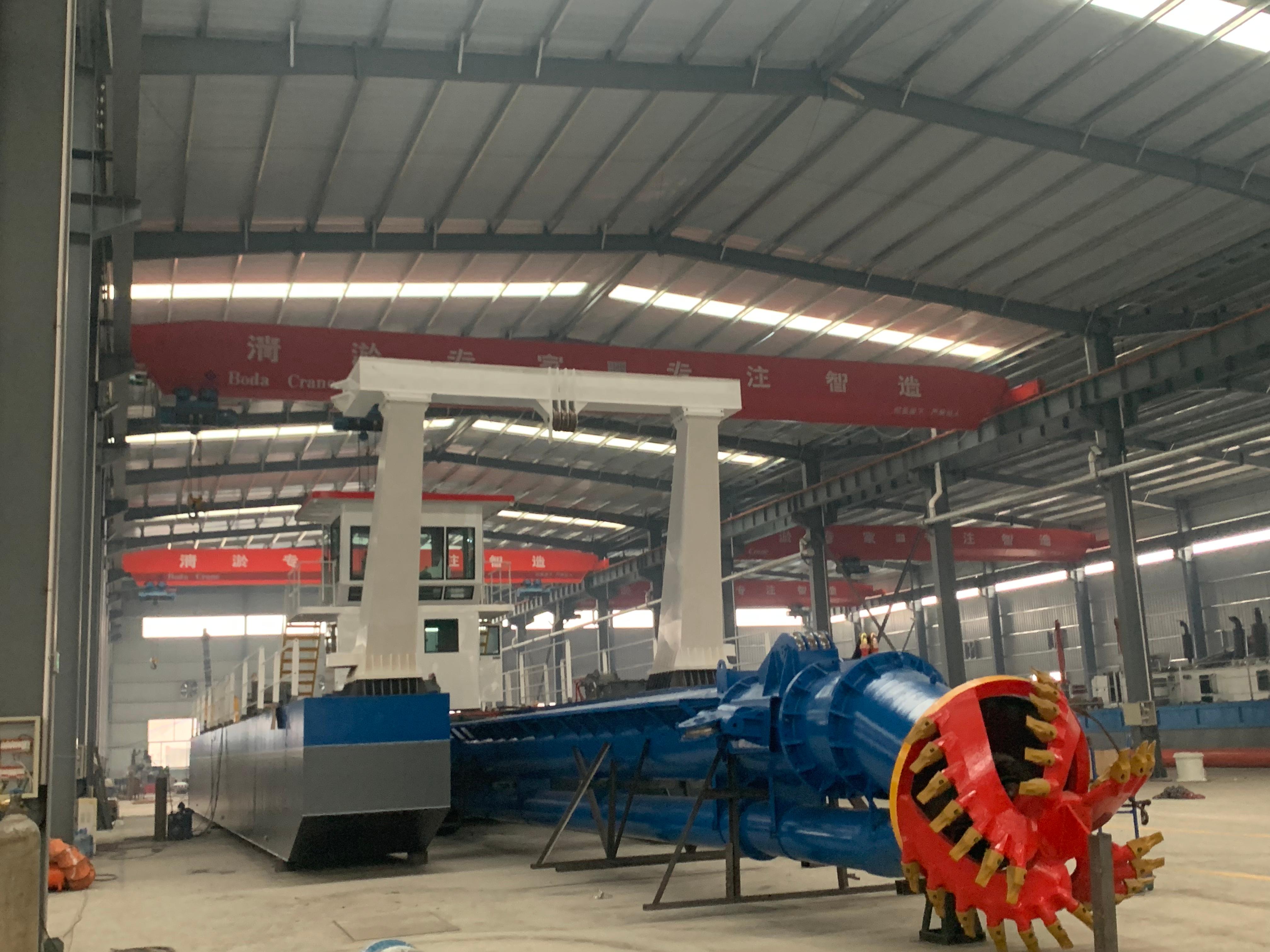
A glossy brochure can make any factory look like a state-of-the-art operation, but the real story hides in the details they don't print. Ask about their defect rate over the past twelve months, not just their capability list. Talk to the shift supervisors, not just the sales team. You want to know if the same crew that built your sample will actually handle the full production run, because turnover on the floor can quietly erode consistency in ways no quality certificate will catch.
Dig into their material sourcing habits. A manufacturer that jumps between suppliers chasing the lowest cost might deliver a perfect first order and a headache six months later when the paint shade shifts or the tolerances drift. Also, pay attention to how they handle design changes. A partner who pushes back with practical suggestions instead of just nodding saves you from costly oversights, and that kind of engineering instinct rarely appears on a capabilities sheet.
Custom Engineering: When Off-the-Shelf Isn’t Enough
Sometimes a standard product just can’t meet the unique demands of your project. That’s where custom engineering steps in, transforming challenges into precisely tailored solutions. Instead of forcing an off-the-shelf component into a role it wasn’t designed for, our team works with you to develop a solution that fits perfectly—from initial concept to final production.
We thrive on solving the problems that keep other manufacturers up at night. Whether it’s adapting a design to extreme environments, integrating novel materials, or meeting tight spatial constraints, our engineers blend creativity with deep technical expertise. Every curve, tolerance, and material choice is deliberate, ensuring the final product not only works but excels under real-world conditions.
The result is more than just a part; it’s a competitive advantage. By engineering from the ground up, you avoid the compromises that come with generic alternatives, gaining a solution that streamlines assembly, boosts performance, and can even reduce long-term costs. When the standard simply can’t deliver, custom engineering opens up new possibilities.
Tech That Drives Dredging: Innovations Shaping Performance
Modern dredging has moved far beyond simple excavation. Advanced sensor arrays now feed real-time data into onboard computers, allowing operators to adjust cutter head speed and suction pressure with surgical precision. This kind of adaptive control wasn't feasible a decade ago, but it's now standard on many vessels, cutting fuel costs while maximizing material moved per hour.
The next leap comes from autonomous systems. We're seeing dredgers that can map a site, plan an optimal cut pattern, and execute it with minimal human input. These machines use layered data — sonar, LiDAR, and GPS — to build a 3D model of the underwater terrain, then automatically adjust to changing sediment densities. The result isn't just efficiency; it's a fundamental shift in how we approach complex projects near sensitive ecosystems.
Perhaps the most overlooked innovation is in wear-part metallurgy. New composite materials for cutter teeth and pump liners dramatically extend service life, even in abrasive sands. This means fewer shutdowns for maintenance, which translates directly to project timelines that stay on track. It's a quiet revolution — no flashy software or AI, just better chemistry that keeps the industry churning.
After the Sale: Support Systems That Keep You Dredging
Owning a dredge means very little if your equipment is idled by a breakdown while a deadline looms. That’s why the real value of a purchase lives in what happens when the contract is signed and the crew gets to work. We’ve structured our entire post-sale experience to revolve around one goal: keeping sediment moving, no matter what the water throws at you. From rapid-response technical teams that can troubleshoot by video link to an on-call parts network that spans three continents, the safety net beneath your operation is woven tighter than most.
Beyond emergency support, there’s a quieter layer of continuity that customers grow to rely on. Scheduled maintenance visits are not generic checklists—they’re tailored to the specific wear patterns of your cutterhead, the salinity of your working environment, and even the rhythm of your production cycles. Our field engineers maintain running histories for each vessel, often catching subtle hydraulic imbalances or drive-line fatigue months before they would surface as problems. It’s a vigilant partnership, one that extends the life of your investment without you needing to ask.
The human element ties it all together. When you call, you reach someone who knows your dredge by name, not just a case number. That familiarity shortens downtime, yes, but it also turns routine calls into conversations about optimizing output or adapting to a new site’s challenges. In an industry where the margin between profit and overhead can be measured in cubic meters per hour, having a support system that thinks alongside you is what keeps seasoned operators coming back—and keeps their pipelines full.
The Real Cost of Dredging: Balancing Budget and Breakthroughs
When project managers sit down to map out a dredging operation, the spreadsheet numbers rarely tell the whole story. Upfront estimates typically cover mobilization, cutterhead or hopper dredge rates, and disposal fees— but experienced stakeholders know the true expense lives in the variables. Geotechnical surprises, like hitting unexpected rock or contaminated sediments, can blow timelines and budgets apart. Then there’s the silent cost of downtime, where weather delays or equipment breakdowns inflate daily burn rates far beyond the original bid. Without a buffer for these realities, a seemingly competitive contract can swiftly turn into a financial quagmire.
Yet, the pursuit of breakthroughs adds another layer to the ledger. Innovations in precision dredging, real-time kinematic positioning, and automated swing control promise cleaner cuts and less over-dredging, reducing both fuel consumption and material handling. These technologies carry higher initial price tags, but they often pay dividends through minimized environmental impact statements and faster regulatory approvals. The balance is delicate: invest too conservatively, and you risk inefficiencies that erode margins over years of operation. Chase every shiny advancement, and the capital outlay can outweigh the operational gains. Smart teams weigh the cost of being left behind against the burden of bleeding-edge adoption.
Ultimately, mastering the real cost means redefining value beyond the cubic meter. A low bid that leaves benthic habitats destroyed or triggers community backlash can generate liabilities that dwarf the savings. Forward-thinking projects blend rigorous site investigation with adaptive management, allowing a shift in approach when conditions change without penalizing the contractor into submission. By treating dredging not as a commodity task but as a dynamic interplay of geology, engineering, and environmental stewardship, decision-makers can justify the necessary expenditure. The breakthroughs that matter aren’t just mechanical—they lie in crafting a budget that absorbs reality and still delivers infrastructure that holds for decades.
FAQ
A manufacturer worth their salt prioritizes engineering precision and on-time delivery. They invest in heavy-duty components, offer transparent communication, and back their equipment with extensive field testing rather than just glossy brochures. You’ll notice their designs come from decades of troubleshooting real-world silt and rock challenges, not just CAD models.
Ask for case studies that detail specific job sites, pumping distances, and soil types encountered. A trustworthy builder will happily connect you with past clients—especially those who worked in conditions similar to yours. Site visits to active dredges often reveal more about reliability than any sales deck.
The cutter’s shape, tooth arrangement, and rotational power directly determine how efficiently you’ll slice through compacted sand or clay. A poorly matched head wastes fuel and causes excessive wear, while an optimized one maintains a steady slurry concentration. The best manufacturers balance aggression with smooth operation to avoid blockages.
Look for teams that provide more than a parts catalogue—on-site troubleshooting, remote diagnostics, and crew training make the difference. The standout partners keep regional service hubs stocked and have engineers who understand your local operating environment, not just generic equipment specs.
It’s not fluff: tweaking pump impeller size, spud carriage reach, or swing winch placement for your specific material makes a noticeable dent in fuel costs and cycle times. Vendors who treat customization as a standard process usually have modular hulls and interchangeable tooling, so you’re not paying for one-off engineering each time.
Steel grade and wear-plate positioning matter more than paint color. In abrasive sand, a hull plated with higher-hardness alloys will survive years longer without patchwork. Shrewd builders also use duplex stainless steels in pump casings and discharge pipes to fight corrosion when working in saltwater or polluted sediments.
Automated swing controls that adjust winch tension based on cutter torque are no longer a gimmick—they reduce operator fatigue and keep productivity steady during long shifts. Similarly, real-time density measurement integrated with pump management prevents overloading and underflow, squeezing more useful output from each gallon of fuel.
Absolutely, especially when you need a dredger built for a niche application like peat extraction or narrow canal work. Compact yards frequently offer closer engineering collaboration and faster design revisions because they’re not bound by rigid product lines. The right choice depends less on logo size and more on whether the builder has already solved problems identical to yours.
Conclusion
Selecting the best cutter suction dredger manufacturer demands more than a glance at glossy brochures; it requires a deep dive into engineering substance. A superior dredger’s anatomy—its cutter head design, pump efficiency, and structural durability—determines real-world performance. Manufacturers worth their salt showcase mastery through custom engineering, adapting vessels to specific soil conditions, production targets, and challenging environments where standard machines fall short. This level of customization, combined with robust design fundamentals, separates true innovators from assemblers.
Beyond the hardware, technological innovation drives operational excellence. Features like automated control systems, real-time slurry monitoring, and energy-efficient drives are reshaping productivity and lowering fuel burn. But even the best tech needs backing: a responsive support network with rapid parts availability and skilled field service ensures minimal downtime when dredging must go on. Ultimately, a shrewd buyer weighs the total cost of ownership—purchase price plus long-term maintenance, energy, and reliability. Striking that balance between budget constraints and breakthrough performance is how you secure a dredger that delivers lasting value.
Contact Us
Contact Person: Nancy
Email: [email protected]
Tel/WhatsApp: (+86) 13869631558
Website: https://www.yakaidredger.com/