
China Butterfly Valve Supplier Guide: Finding Top Manufacturers and Products
2026-05-12
Navigating China's butterfly valve market can feel overwhelming, with countless suppliers promising quality but delivering mixed results. Whether you're sourcing for water treatment, chemical processing, or HVAC systems, the right manufacturer makes all the difference in performance and longevity. Among the standout names, ZMV has built a reputation for precision engineering and consistent reliability. This guide cuts through the noise, spotlighting the manufacturers that truly lead the industry and the products worth your investment.
Navigating China's Butterfly Valve Landscape: What to Look For
When evaluating butterfly valves from Chinese manufacturers, material integrity should top your checklist. Valves often serve in aggressive environments—think corrosive chemicals or high-temperature steam—so the body, disc, and seat materials must align with your specific media and operating conditions. Look beyond generic labels like "stainless steel" and seek detailed material certifications. A reputable supplier will readily provide composition reports and originate from mills with proven traceability. This attention to metallurgy becomes even more critical if you require specialized alloys or duplex steels, where minor deviations can lead to premature failure.
Sealing and pressure containment are the next non-negotiables. The seat design—whether soft-seated for tight shutoff or metal-seated for fire-safe applications—dictates long-term reliability. Don’t hesitate to request cycle-testing data and fugitive emission certifications. Many buyers underestimate how much seat geometry and retention methods influence performance under temperature swings and pressure spikes. A well-engineered butterfly valve will maintain consistent torque and bubble-tight closure even after thousands of cycles, something that only becomes apparent with rigorous factory acceptance testing.
Finally, service and local support can make or break the total cost of ownership. Far too many projects slip behind schedule because of ignored lead times or inadequate spares planning. Prioritize manufacturers that offer aftermarket kits, on-site commissioning guidance, and clear technical documentation. A partner with a genuine presence in your region—whether through an office, warehouse, or trained distributor—often signals a commitment beyond the initial sale, turning a simple commodity purchase into a long-term reliability strategy.
Quality Signals That Set Manufacturers Apart
True quality signals don’t hide behind glossy brochures or catchy slogans. They show up in the way a manufacturer opens its production floor to scrutiny—whether through unscripted virtual tours, raw material documentation that traces back to specific batches, or a clear stance on things like tolerance standards and defect thresholds. When a company willingly shares the granular details of its workflow, you’re looking at a signal that goes beyond compliance.
Another signal sits in the rhythm of improvement. Manufacturers that stand apart treat every order as a feedback loop, not a finished transaction. Small tweaks in tooling, adjustments to packaging based on how products survive shipping, or even a foreman’s handwritten notes on a shop drawing—these micro-moves accumulate into a culture that consistently delivers on its promises without fanfare.
Outside validation matters too, but not just any five-star review. Look for third-party test reports that are refreshed regularly, not just issued once for a catalog. Long-tenure partnerships with industrial clients, repeat custom in sectors where specs are non-negotiable—these silent endorsements tell you more than any certification alone. They’re proof that the manufacturer doesn’t just meet expectations; it’s become integral to someone else’s supply chain.
From Cast Iron to Triple Offset: Matching Valve Types to Applications
Valve selection often begins with understanding where and how the valve will be used, and few choices highlight this better than the journey from cast iron gate valves to high-performance triple offset butterfly valves. In low-pressure water or wastewater systems, cast iron gate valves have long been a staple, prized for their straightforward on-off function and minimal pressure drop when fully open. These valves thrive in applications where cost is a driving factor and the media isn't highly corrosive, though their slower operation and susceptibility to seat wear under frequent cycling limit them to less demanding isolation duties.
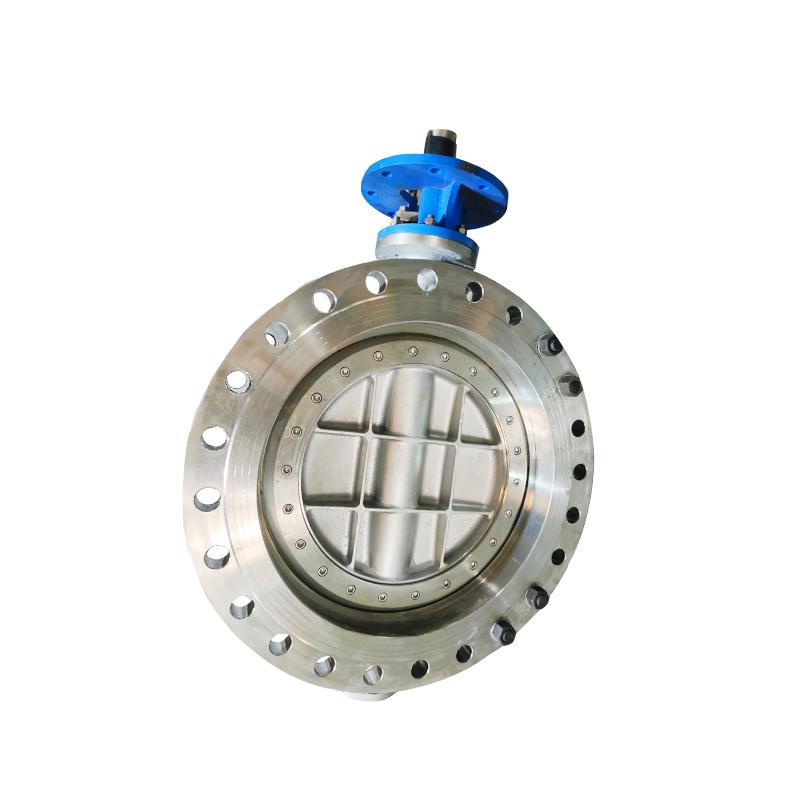
As industrial processes evolved, so did the need for valves that could handle tougher conditions without ballooning in size or weight. This push gave rise to designs like high-performance butterfly valves, including the triple offset variant, which eliminated the sliding friction found in traditional butterfly valves. The triple offset geometry—with its conical seat and metal-to-metal sealing—allows these valves to achieve bubble-tight shutoff in extreme temperatures and pressures, making them a natural fit for steam lines, hydrocarbon processing, and superheated applications. Selecting one isn’t just about the spec sheet; it’s about matching the valve’s sealing mechanics to the real-world demands of cycling frequency, thermal expansion, and fire safety.
Between these two extremes sits a wide array of valve types, each with a sweet spot defined by material compatibility, actuation speed, and maintenance tolerance. The key to effective specification is resisting the urge to over-engineer—putting a triple offset valve on a simple cooling water line inflates cost without adding value, while a cast iron gate in a high-cycle steam service invites leakage and downtime. Instead, the process should start with a clear-eyed look at the service conditions, then move toward the valve style that fits those needs without unnecessary complexity.
Avoiding Common Pitfalls in Supplier Selection
It's easy to assume that the lowest price means the best deal, but that assumption often leads to trouble. A supplier who can't meet deadlines or maintain consistent quality will end up costing far more than the few dollars saved upfront. Instead of focusing only on price, look at total cost of ownership—including shipping, defect rates, and the time you'll spend fixing problems. A slightly higher quote from a reliable partner usually saves money and stress in the long run.
Relying too heavily on a single supplier can leave your business vulnerable to disruptions. If they experience a backlog, raw material shortage, or sudden price hike, you're stuck with no backup. Diversifying your supplier base, even if it means smaller initial orders with a second source, builds resilience. It also gives you negotiating power and a clearer picture of fair market pricing.
Overlooking cultural and communication differences is another trap that can derail an otherwise promising partnership. A supplier might interpret a tight deadline as a suggestion, not a commitment, or their production schedule might not sync with your peak seasons due to national holidays abroad. Visit their facility if possible, establish clear specifications in writing, and test their responsiveness during the trial period. A supplier who communicates quickly and accurately will save you from countless misunderstandings later.
The Role of Testing and Certification in Long-Term Reliability
Manufacturers face a constant challenge: how to prove their products will last. This is where testing steps in—not as a one-time checkbox, but as a deliberate, ongoing process that exposes weaknesses before customers ever encounter them. By simulating years of use in a matter of weeks, engineers can identify failure points in materials, software, and assembly. Yet testing alone isn't enough. Without certification, there's no independent verification that a product actually meets the durability standards being claimed. Certification transforms raw test data into a trusted signal, giving both manufacturers and users a common language for reliability.
The real value of this combination emerges in industries where failure is not an option. Consider medical devices or aviation electronics, where a single malfunction can have catastrophic consequences. Here, testing and certification don't just validate design—they drive it, forcing teams to build with reliability baked in from the start. This isn't about meeting minimum requirements on paper; it's about creating a culture where every engineer asks, "How could this break?" and then designs against that possibility. The result is products that earn their reputation through performance, not just paperwork.
Long-term reliability also requires anticipating the unpredictable. Environments change, user behaviors evolve, and components age in unexpected ways. A certification program that accounts for these variables goes beyond standard lab conditions, incorporating accelerated lifecycle testing, thermal cycling, and even destructive analysis. The insights gained feed back into the next generation, closing the loop between real-world experience and lab testing. When done right, this cycle turns reliability from an abstract promise into a measurable, repeatable achievement that end users can count on for years to come.
Building Partnerships Beyond the Initial Order
Securing a first order is rarely the finish line—it’s the starting point for something far more valuable. Too many businesses treat that initial transaction as a one-off win, only to move on and chase the next prospect. But the real opportunity lies in what happens afterward: the follow-up conversations, the genuine curiosity about how the product is performing, and the small gestures that show you’re not just a vendor, but a committed ally in their success.
When you shift your mindset from closing deals to cultivating ongoing relationships, everything changes. You start to listen more attentively, pick up on subtle cues about their evolving challenges, and tailor your support in ways that a transactional competitor never would. Over time, this attentiveness builds a foundation of trust that can't be replicated by a low-price offer or a slick sales pitch. It’s about becoming embedded in their ecosystem—not forcibly, but naturally, because the value you bring extends well beyond the product itself.
That kind of partnership doesn't just lead to repeat orders—it transforms your role in their story. You’re no longer a line item in their procurement spreadsheet; you’re a sounding board, a problem solver, and occasionally, a critical part of their own innovation. And ironically, when you stop worrying about locking in the next deal and focus instead on deepening the connection, the business growth tends to take care of itself, often in unexpected and deeply rewarding ways.
FAQ
First, confirm they have solid certifications like ISO and API, and ideally CE or ATEX if you’re exporting. Check their testing capabilities—in-house pressure and leakage tests are a must. Also, look at their material sourcing: a supplier that uses well-known domestic or international grade materials is usually more reliable. Don’t skip client references; a decent supplier won’t hesitate to share them.
Ask for a pre-production sample and a detailed inspection report. A reliable supplier will provide a material certificate and a test report showing results for shell strength, seat leakage, and torque. If your budget allows, hire a third-party inspection service like SGS or Bureau Veritas to audit the factory and check random samples from your batch.
Export-oriented products usually use better sealing materials like EPDM or PTFE that comply with international standards, have finer surface finishes, and meet stricter dimensional tolerances. They often come with full documentation—from heat number traceability to performance curves. Domestic valves may cut costs on non-critical parts, which is fine for local low-pressure systems but risky for demanding applications.
The largest clusters are in Wenzhou, Zhejiang province (especially Yongjia County), and Tianjin. Wenzhou is famous for small to medium-sized valves, offering a wide range and competitive pricing. Tianjin leans toward larger-diameter valves and often has stronger ties to municipal water projects. Some high-end or specialized manufacturers are also based in Shanghai and Suzhou.
Most export-focused manufacturers have English-speaking sales staff, but it’s smart to keep communication clear and simple. Use email or WeChat for traceability, and always confirm technical specs in writing. Schedule meetings during their business hours (Beijing time) and be patient—follow-up promptly to maintain momentum. Good rapport goes a long way.
For standard valves with minor modifications, expect 30–45 days. Highly customized valves with special materials, coatings, or actuation can take 60–90 days. Always factor in extra time for pre-shipment inspection and ocean freight. Some producers offer expedited production for a surcharge, but it's best to plan well ahead to avoid air freight costs.
Yes, many are open to small trial orders, especially if they see long-term partnership potential. However, pricing per unit will be higher than for bulk orders. Be transparent about your intentions—if you plan to scale up, share a rough forecast. This often helps in negotiating better terms even for the trial run.
Conclusion
Sourcing butterfly valves from China demands a sharp eye for detail beyond glossy catalogs and competitive pricing. The landscape is vast and varied, so knowing what to look for is half the battle. Start by matching valve types to real-world needs—cast iron works for basic water systems, while triple offset designs handle high-temperature, zero-leakage applications in demanding industries. But a valve's design is only as good as the factory behind it. Real quality signals show up in material traceability, precision machining, and in-house testing capabilities rather than just claimed certifications. Visiting a facility or requesting detailed process documentation can reveal whether a manufacturer genuinely controls its supply chain or merely assembles parts from unknown sources.
Supplier selection often stumbles on short-term thinking, where the cheapest quote wins and critical details slip through the cracks. Avoiding such pitfalls means digging into a partner's track record with similar projects, verifying fire-safe or fugitive emissions certifications through independent labs, and insisting on batch testing reports before shipment. Long-term reliability hinges on more than passing a single inspection—it requires consistent adherence to standards like API 609, ISO 10497, or SIL ratings. The goal moves from a transactional purchase to a partnership where the supplier helps optimize valve selection, maintains spare parts availability, and adapts to evolving specifications. In a market flooded with options, the manufacturers that invest in engineering support, transparent communication, and after-sales service end up delivering far more than just a commodity product.
Contact Us
Contact Person: Lucas Lin
Email: [email protected]
Tel/WhatsApp: 8613968913000
Website: https://www.zhengmaogroup.com