
China Containerized Generator Set: Your Ultimate Guide to Portable Power Solutions
2026-05-18
When reliable power can't be compromised—whether at a remote construction site, a disaster relief zone, or an off-grid event—containerized generator sets have become the go-to solution. But what makes China a global leader in these portable powerhouses? In this guide, we'll explore the technology, benefits, and key considerations for choosing the right unit. Along the way, you'll discover how Hichai Power is redefining expectations with rugged, ready-to-deploy systems built for the real world. Let's unpack the containerized difference.
The Basics, Unpacked: Containerized Gensets Demystified
A containerized genset takes the core components of a generator—engine, alternator, fuel system, and controls—and houses them inside a standard shipping container. This isn’t some fragile lab setup; it’s a rugged, weatherproof package that can be dropped onto a construction site, a remote mine, or a disaster zone and start delivering power within hours, not weeks. The container itself becomes the structure: it handles wind, rain, dust, and noise, slashing the need for permanent buildings or custom enclosures.
The real magic lies in the factory integration. Everything is pre-wired, pre-piped, and tested before it leaves the shop. You’re not cobbling together exhaust routing or worrying about cooling airflow on site—those headaches are engineered out from the start. High-capacity fuel tanks often ride inside the container too, which means extended runtimes without constant refueling. And because the footprint matches that of a 20- or 40-foot ISO container, logistics become ridiculously simple: truck it, ship it, stack it, and lock it down with twistlocks like any other containerized cargo.
Don’t mistake this for a one-size-fits-all solution, though. The beauty is in the adaptability: you can spec out sound attenuation to meet strict urban noise bylaws, integrate automatic transfer switches for seamless backup power, or even link multiple units in parallel for megawatt-scale demand. It’s power generation that molds itself to the job, not the other way around.
Mobility Meets Might: Why Containerized Sets Win
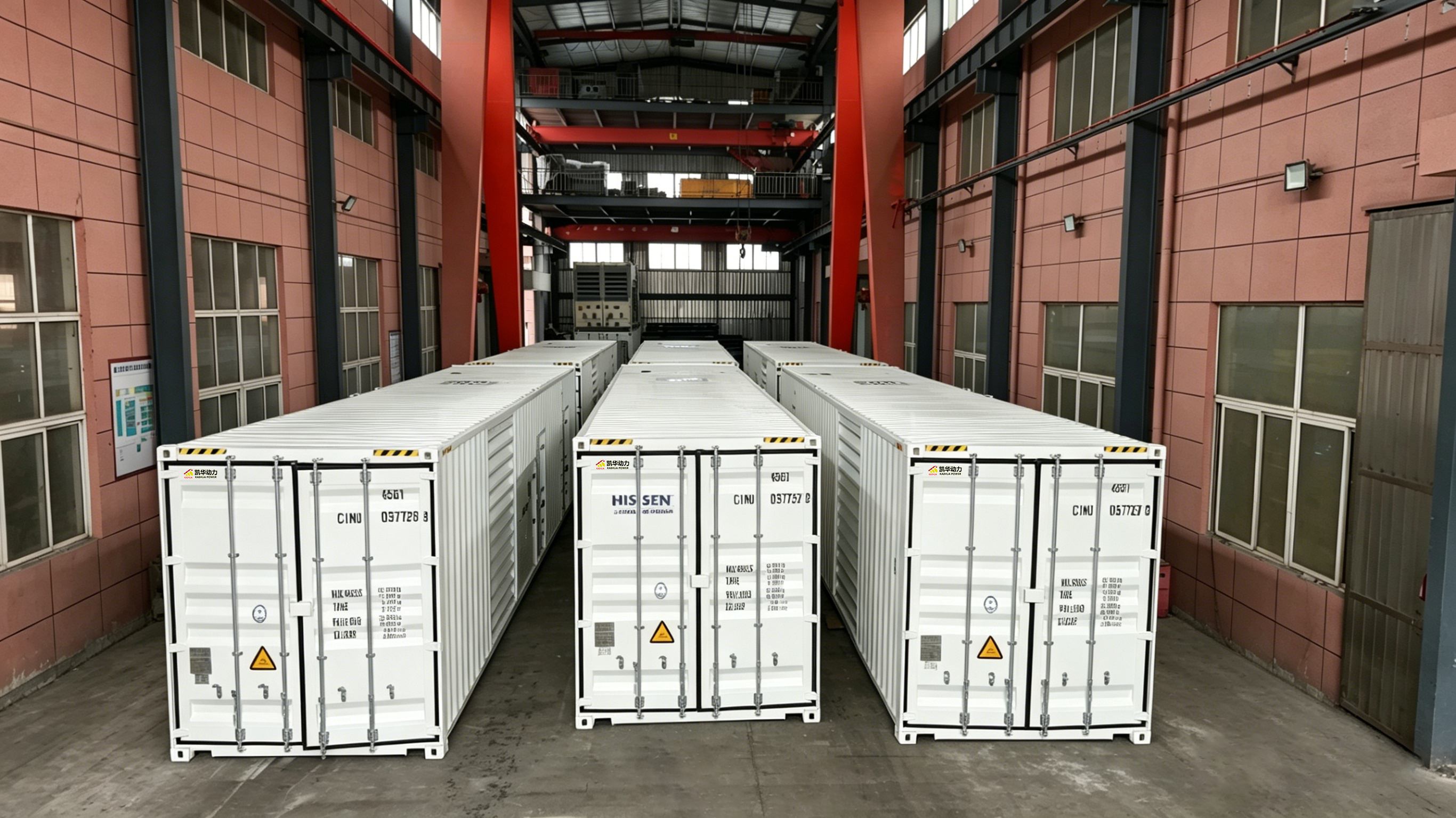
Try hauling a 50-ton rock crusher up a muddy slope, then doing it again tomorrow three miles away. That’s the reality without containerized gear. Containerized sets flip that script by packing genuine industrial muscle into a footprint that a standard flatbed can handle. You’re not sacrificing power for portability—you’re getting a generator, pump station, or processing unit that shrugs off highway travel like a long-haul trucker and still delivers full-rated output when the skids hit dirt.
The magic isn’t just in the box. It’s the deliberate engineering that lets a 40-foot container house everything: switchgear, cooling, noise dampening, and fuel reticulation, all pre-commissioned before it leaves the yard. Onsite setup shrinks from weeks to an afternoon because the connections are externalized and labeled like a consumer appliance. When the job shifts, you lift the whole works onto a trailer without dismantling a single cable gland. That tempo keeps projects alive when stationary plants would be stuck watching the calendar bleed.
There’s also a quiet resilience at play. Containerized systems endure salt spray, dust storms, and the occasional clumsy forklift because they’re built to the same standards as global cargo. Their steel shells shield critical components from weather and theft, while internal climate control extends component life well beyond open-skid alternatives. In places where the power grid is a rumor and the road ends at a goat track, containerized sets don’t just survive—they own the terrain, bringing real capacity to places that used to settle for portable toys.
Beyond Backup: Unexpected Uses for Portable Power Hubs
Imagine turning a quiet beach into an open-air cinema or powering a full DJ setup deep in the woods. Portable power hubs make it effortless, driving projectors, speakers, and even mini-fridges without the rumble of a generator. They let you craft experiences that feel both spontaneous and polished, blending the wild with the comforts of modern tech.
Beyond fun, these silent energy sources step in for critical moments. When a storm knocks out the grid, a power hub can run a CPAP machine through the night or keep insulin cool for days. Their surge capacity handles the spike of medical devices, offering a lifeline that’s quiet enough to sit beside a sleeping child without disruption.
For the remote worker, a portable hub reshapes the office. With it, a mountain overlook becomes a conference room, running a laptop, external monitor, and hotspot for a full workday. It eliminates the hunt for café outlets and the guilt of draining a device, making truly mobile productivity seem less like a hack and more like second nature.
Smart Specs: How to Match a Genset to Your Needs
Finding the right genset starts with a clear-eyed look at your actual power demands. Instead of just adding up wattage labels, think about how and when you’ll use the generator. Will it be running sensitive electronics like medical gear or servers? That calls for clean, stable output—often an inverter model. Is it backing up a whole house during unpredictable outages? Then you need to balance starting surges (like from a well pump or AC unit) with continuous load, and maybe consider an automatic transfer switch. Sketch out your must-run circuits and their peak draws, then add a buffer of 20-25% so the genset isn't constantly maxed out. This upfront math saves you from the frustration of a unit that trips breakers or wears out too soon.
Fuel type and runtime shape the everyday experience far more than many realize. Diesel models are rugged and fuel-efficient for long hauls, but they’re louder and need regular maintenance. Propane burns cleaner and stores indefinitely, which is a lifeline in areas with spotty fuel deliveries. Natural gas taps directly into your home line, giving you essentially endless runtime—handy for extended outages—but you’ll typically get less power density compared to diesel. Gasoline is common in portable units, yet ethanol-blended fuels can gunk up carburetors if not carefully managed. Match your choice to what’s readily available where you live and how often you’re likely to run the generator. Also, check noise regulations: some neighborhoods or campgrounds have strict decibel limits, and an enclosed, sound-dampened case can be worth every extra dollar.
Finally, don’t overlook the installation and control features that turn a decent genset into a seamless backup partner. Remote start and monitoring via smartphone apps can be a game changer when you’re off-site or simply want to avoid trekking out in a storm. Load-shedding capabilities let you prioritize critical appliances, automatically dropping non-essentials to prevent overload. Look for models with a solid warranty and local service support—having a dealer within reach can save weeks of downtime. Think about portability too: a 100-pound portable unit on wheels is great for jobsites, while a permanently installed standby generator needs a concrete pad, proper ventilation, and transfer switch wiring. The smartest spec is the one that blends technical fit with real-world practicality, so you’re not wrestling with the equipment when you actually need it most.
Long-Haul Reliability: Maintenance Without the Headache
When a truck spends weeks crossing continents, the last thing a fleet manager wants is to worry about breakdowns in the middle of nowhere. Long-haul reliability isn't just about building tough components—it's about designing systems that actively prevent surprises. Predictive monitoring, where the vehicle itself flags potential issues before they escalate, turns maintenance from reactive chaos into a scheduled pit stop. It’s the difference between a roadside nightmare and a routine check that fits neatly into the delivery timeline.
The real headache of maintenance often comes from the sheer complexity of modern engines and aftertreatment systems. By streamlining critical service points and using durable, modular parts, some manufacturers have managed to cut routine workshop visits down to shockingly long intervals. Imagine a truck that can run its first major service at 100,000 miles without compromising emissions compliance. That's not just a spec sheet win—it translates directly to more time on the road and less paperwork back at the depot.
But reliability also lives in the details that drivers appreciate: sealed electrical connectors that shrug off salt and moisture, extended-life coolant that doesn’t demand constant attention, and onboard diagnostics that speak in plain terms rather than cryptic fault codes. When long-haul reliability is done right, the maintenance experience feels almost invisible—a background hum of confidence that lets the driver focus on the horizon, not the warning lights.
Tomorrow's Tech: What's Next for Containerized Generators
Containerized generators have long been the workhorses of remote power, but the next wave of innovation is pushing them far beyond simple diesel enclosures. Hybrid systems that seamlessly blend battery storage with traditional gensets are already slashing fuel consumption and noise levels, adapting on the fly to fluctuating loads. These aren’t just incremental tweaks—they’re redefining what mobile power means for event production, construction sites, and emergency response.
Connectivity is quietly reshaping the landscape, too. Built-in telematics now stream real-time health data, enabling predictive maintenance that sidesteps sudden breakdowns. Some prototypes even incorporate AI-driven load forecasting, letting operators remotely fine-tune performance or schedule refueling before a tank runs dry. It’s a shift from reactive repairs to proactive, data-led fleet management that feels overdue.
Looking further out, alternative fuels could upend the norm. Hydrogen fuel-cell gennies are inching from pilot phases to field tests, promising near-silent operation with water vapor as the sole emission. Meanwhile, advances in modular design allow units to scale up or down by simply latching additional power blocks together—like building with Lego—so capacity grows only when needed. The road ahead ditches one-size-fits-all for adaptable, cleaner energy that fits in a shipping container.
FAQ
A containerized generator set is essentially a fully functional power generation system housed inside a standard shipping container. It integrates the engine, alternator, fuel tank, control panel, cooling system, and exhaust all within a durable, weatherproof enclosure. This design makes transport, installation, and protection remarkably simple, even in remote or harsh environments.
Chinese manufacturers have become a dominant force in this market because they offer a rare combination of value, reliability, and customization. You get access to world-class engines from brands like Cummins or Perkins, tailored designs to meet specific voltage/frequency needs, and competitive pricing that’s hard to match elsewhere—all backed by increasingly robust international service networks.
Since the entire unit is built into a standard ISO container, it can be shipped, lifted, and placed using existing container handling equipment. There’s no need for a separate powerhouse building or complex site construction. Once on site, you simply connect the cables, fill the fuel, and start generating power—often within hours of delivery.
These units typically range from around 10 kVA for small backup or lighting needs up to 3,000 kVA or more for prime power at mines, oil fields, data centers, or large construction sites. They’re equally suited for temporary events like concerts and festivals or permanent installations where grid power is unstable or nonexistent.
Absolutely. The container shell provides rugged protection against dust, rain, salt spray, and physical impact. Advanced models include insulation, ventilation louvers, heating for cold climates, and special coatings for corrosive environments. Many are designed for operation from -40°C to +55°C, making them viable in deserts, arctic zones, and tropical coasts.
Containerized gensets are designed for ease of service. Wide access doors, internal lighting, and substantial working space allow technicians to perform routine checks and major overhauls without removing the unit from service. Remote monitoring is also common, enabling real-time diagnostics and preventive maintenance alerts, which drastically reduces downtime.
Look for manufacturers with a proven track record and relevant certifications like ISO 9001 and CE. Ask for a factory audit, past project references, and details on their after-sales support structure—including spare parts availability in your region. A good supplier will be transparent about component sourcing and willing to customize the design to your exact technical specifications.
Modern containerized generators can be designed with extensive soundproofing, achieving noise levels as low as 65–70 dBA at 1 meter. Additionally, they can be fitted with advanced emission control systems to meet EPA, EU Stage V, or local environmental regulations. This makes them suitable even for urban or sensitive areas where noise and air quality are major concerns.
Conclusion
Containerized generator sets have redefined how we think about portable power, blending rugged mobility with plug-and-play simplicity. At their core, these are fully integrated power plants housed in standard shipping containers—weatherproof, sound-attenuated, and ready to deploy anywhere a truck or crane can reach. China’s manufacturing muscle has made them more accessible than ever, marrying robust diesel or gas engines with smart controls that even non-experts can manage. The real magic, though, lies in how they’ve broken free from the backup-power niche. From construction sites and remote mining camps to film sets and pop-up data centers, these self-contained hubs deliver prime or continuous power where grid access is unreliable—or entirely absent. Their forklift-friendly design means you’re not tied to one location; a single unit can follow a project’s lifecycle or pivot between seasonal demands, slashing idle time and fueling a more dynamic use of assets.
Choosing the right unit means looking beyond kilowatts—voltage compatibility, fuel efficiency at partial loads, and ambient temperature tolerances often matter more than a glossy spec sheet suggests. Maintenance, thankfully, has evolved from a necessary evil into a predictable routine: remote monitoring flags issues before they become failures, and modular components let on-site staff swap filters or belts without special training. Looking ahead, hybrid systems that integrate battery storage and solar are reshaping the landscape, allowing generators to run fewer hours at optimal load while renewables handle the rest. We’re also seeing containerized sets designed for hydrogen blends and ammonia fuels, pushing the boundaries of what “portable” can mean in a decarbonizing world. For buyers weighing cost, compliance, and future-readiness, the takeaway is clear: these aren’t just metal boxes with an engine—they’re adaptable power ecosystems that reflect a deeper shift toward resilient, distributed energy infrastructure.
Contact Us
Contact Person: Ms. Lu
Email: [email protected]
Tel/WhatsApp: 8618917899306
Website: https://www.hichaipower.com