
China Galvanized Tangent Tower Dealers for Reliable Transmission Line Projects
2026-09-05
Every reliable transmission line project starts with a simple question: can your galvanized tangent towers take whatever the terrain and weather throw at them? For many project managers, the answer begins with China galvanized tangent tower dealers who treat coatings and tolerances as non-negotiables. One name that consistently surfaces in those conversations is Anbang. Before you lock in your next supplier, it's worth understanding why.
The Engineering Case for Galvanized Tangent Towers on Overhead Lines
Galvanized tangent towers occupy a unique position in overhead line design because they combine routine geometry with the most aggressive exposure conditions. Tangent structures rarely need to resist large line angles or heavy dead-end tensions, but they stand in long strings where corrosion access is constant and inspection access is costly. Hot-dip galvanizing creates a metallurgically bonded zinc-iron alloy layer that withstands abrasion during assembly and transport, then sacrificially protects the underlying steel at scratches or cut edges. For utilities, this translates into fewer coating repairs after erection and a predictable corrosion allowance that can be factored directly into structural life models.
The engineering argument becomes sharper when maintenance logistics are considered. Field repainting of lattice steel is slow, weather-dependent, and difficult to perform safely on energized lines. A properly galvanized tangent tower typically requires no coating intervention for 40 to 60 years in most rural and light industrial atmospheres, while the zinc layer's patina stabilizes and continues to shield the steel. This reliability matters most on tangent runs, where a single failed tower can cascade into multiple span losses. By reducing the frequency of climbing inspections and touch-up painting, galvanizing shifts the lifetime cost profile in favor of a modest initial premium that is recovered well before mid-life.
Structural detailing also favors galvanizing for tangent towers. Because tangent tower members are often relatively slender and closely spaced, paint systems face difficulty achieving uniform film thickness in overlapping and bolted joints. Galvanizing, by contrast, flows into recesses and threads during immersion, coating internal surfaces that are inaccessible after fabrication. Designers can specify slightly oversized vent and drain holes to ensure complete drainage and avoid zinc entrapment. The result is a tangent tower whose corrosion protection is integral to the steel section rather than applied as a secondary film, aligning the coating's service life with the tower's mechanical fatigue and foundation design assumptions.
How Chinese Workshops Handle Zinc Coating Without Cutting Corners
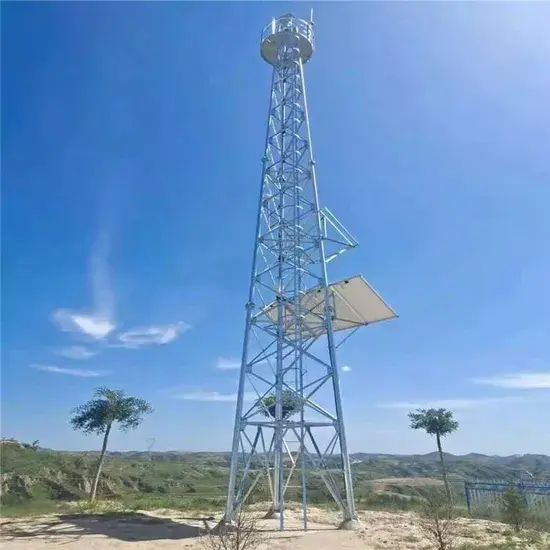
Most Chinese workshops approach zinc coating as a layer-by-layer discipline, not a rushed dip-and-ship step. Instead of relying solely on standard hot-dip timing, operators check bath temperature, immersion speed, and post-galvanizing cooling rates in small batches. This lets them adjust for steel thickness and surface prep on the fly, catching uneven coverage before the coating locks in.
A common trick is using flux blankets with a slightly higher ammonium chloride ratio during humid months, which reduces dross and keeps the zinc surface clean longer. Workers also hand-inspect threaded areas and cut edges with a bright flashlight, since those spots tend to hide thin patches. If a part fails the visual check, it goes back for a quick acid dip and re-coat rather than getting a cosmetic touch-up.
For high-volume runs, some shops run dual kettles: one for structural steel and another for small fasteners. This prevents cross-contamination of alloy layers and keeps the zinc bath from picking up iron particles that cause rough finishes. The payoff is a coating that survives salt spray tests without relying on extra paint or passivation tricks.
Supplier Qualities That Matter More Than the Lowest Quote
Price is easy to measure, but a supplier who disappears after the contract is signed costs more in delays than any discount saves. The suppliers worth keeping are the ones who answer before you have to chase, who flag a material shortage before it becomes a line stop, and who treat your production schedule as their own problem rather than your inconvenience.
Consistency matters more than the quote because it removes the hidden cost of unpredictability. A cheap batch that fails inspection, arrives late, or varies from the approved sample forces rework, air freight, and customer apologies. The better supplier shows you their quality control records, keeps tolerances tight, and says no when they cannot meet a deadline instead of promising and hoping.
Real partnership shows in how a supplier handles mistakes. Every operation has defects; what separates a good source is whether they take ownership, communicate early, and fix the root cause rather than just shipping a replacement. That kind of behavior cannot be captured in a unit price, but it determines whether your own promises to customers hold up over time.
Matching Tower Specs to Terrain, Wind, and Line Load Requirements
Selecting the right transmission tower begins with a granular understanding of the ground it will stand on. Flat, open plains demand different structural behavior than ridgelines scoured by prevailing winds, or river crossings where foundations must resist scour and shifting soil. A tower rated for moderate winds on firm soil can become a liability on a steep slope with fractured rock, where uneven bearing capacity forces moment redistribution that isn't captured by standard catalogs. Field reconnaissance and geotechnical data aren't just checkboxes—they're the difference between a structure that settles gracefully and one that leans, cracks, or fails within its first decade.
Wind loading is rarely a single number. Terrain roughness, topographic acceleration over hills, gust factors tied to local climate data, and even the conductor's ice accretion all reshape the effective pressure on the tower face. A design that assumes open-country exposure at 90 mph will be dangerously optimistic for a ridge crest where wind speeds can jump by twenty percent due to orographic channeling. Likewise, line load requirements—span length, conductor weight, tension differentials under broken-wire scenarios—dictate whether a suspension tower can suffice or a dead-end angle structure must shoulder massive unbalanced pulls. Matching specs means running multiple load cases, including ice shedding and high-temperature sag, not just a single maximum wind event.
A pragmatic approach pairs the tower's geometry—height, crossarm width, lattice density—with the actual clearance and electrical clearances needed, then back-calculates the structural demand. For instance, a compact delta configuration on a forested hillside might need a taller tower than the same voltage on open ground, but that extra height brings more wind moment and a stiffer foundation. Rather than overbuilding every structure, the smart play is to segment the line into terrain zones, specify tower families per zone, and accept a few custom designs for transitions or extreme spans. This avoids the twin traps of a one-size-fits-all tower that's overstressed in spots and an overengineered monster that wastes steel and money on gentle grades.
Freight, Port Handling, and Delivery Realities for International Buyers
Many first-time importers assume that once goods leave the supplier's warehouse, the rest is just waiting. In practice, freight, port handling, and final delivery create a chain of costs and delays that rarely appear on the initial quote. Ocean freight rates can swing sharply within a few weeks, and the cheapest routing often means transshipment through congested hubs where containers sit for days before being loaded onto a feeder vessel.
Port handling is where budgets quietly unravel. Terminal handling charges, documentation fees, customs examination, and storage after the free time expires all add up. In some regions, a "port congestion surcharge" appears only after the vessel has already sailed. Buyers who book under Incoterms like FOB may still face destination charges that are higher than expected, especially if the local agent is appointed by the forwarder rather than chosen independently.
Final delivery often proves the most unpredictable leg. Trucking shortages, weight restrictions on local roads, and last-mile access to residential or remote commercial addresses can delay receipt by days or weeks. Successful buyers treat freight not as a line item but as a sequence of handoffs, and they build buffer time and a contingency fund into every purchase rather than relying on the seller's promised delivery window.
Maintenance Patterns Seen on Galvanized Towers After Years in Service
After a decade or two of weather exposure, most galvanized towers start telling the same story. The zinc layer, which initially looks uniform and shiny, develops a patchwork of dull gray zones, faint white bloom near bolted joints, and occasional rust freckles where ladder rungs meet the leg members. Maintenance crews quickly learn to spot the early signs: powdery white deposits that form when the zinc corrodes sacrificially, and thin brown streaks that appear once the underlying steel begins to oxidize through worn spots.
Field repairs rarely follow a single pattern, but there are recurring habits. Some owners opt for periodic touch-ups with zinc-rich paint applied directly over weathered galvanizing, especially around flange plates and antenna mounts where moisture lingers. Others choose to hot-dip re-galvanize entire sections during major overhauls, accepting the higher upfront cost to avoid repeated climbing inspections. In coastal or industrial areas, maintenance cycles shorten noticeably, and crews often document corrosion mapping before deciding whether to patch, replace, or leave the tower alone for another season.
What stands out in long-term service records is the unevenness of degradation. Towers rarely fail uniformly—instead, specific zones like the bottom 3 meters, horizontal bracing members, and bolted splice plates degrade faster due to standing water, debris buildup, or galvanic contact with stainless steel hardware. Maintenance patterns thus shift from broad recoating to targeted interventions: replacing corroded bolts, brushing and touching up isolated patches, and occasionally reinforcing legs with supplemental angle steel where thickness loss exceeds safe limits.
FAQ
Look beyond pricing. Ask for mill certificates, galvanizing thickness reports, and references from past transmission projects with similar voltage ratings. Also check whether the dealer can arrange third-party inspection before shipment.
Reputable dealers work with fabricators who follow ASTM or ISO standards for structural steel and hot-dip galvanizing. They often perform wind load and ice load calculations tailored to the project's geographic data, then adjust bracing and member sizes accordingly.
Common ones include ASTM A123 for galvanizing, ISO 1461 for hot-dip coating, and structural standards like ASCE 10 or IEC 60826. Some clients also request EN 1090 compliance for fabrication traceability.
Yes, many dealers partner with design institutes or have in-house engineering teams. If you share line voltage, span length, conductor type, and terrain profile, they can tailor the tower geometry and foundation loads to match.
Typical lead time ranges from 30 to 60 days after drawing approval, depending on order size and galvanizing plant capacity. During peak construction seasons, it is wise to reserve production slots a month in advance.
Inconsistent zinc thickness, rough welding seams, and undocumented material substitutions are the main risks. Insist on batch traceability and request photos or live video of the galvanizing and loading stages before final payment.
Chinese dealers often offer competitive pricing due to integrated steel supply chains and large-scale galvanizing facilities, but the real advantage is production flexibility. They can handle mixed tower types in one shipment and adapt quickly to design changes.
Hire an independent inspection agency to check dimensions, weld quality, and zinc coating thickness. A proper pre-shipment inspection includes random sampling of tower legs and crossarms, plus a review of material test certificates.
Conclusion
Choosing a galvanized tangent tower supplier from China starts with understanding why this specific structure earns its place on overhead transmission lines. Tangent towers carry the everyday, straight-run weight of conductors without the abrupt angle changes handled by heavier angle or dead-end towers, so they have to stay dependable under constant mechanical stress. The best suppliers treat zinc coating as a design parameter rather than a final step; their workshops clean steel to near-white blast, control bath temperature and immersion time, and verify thickness with magnetic gauges instead of relying on visual shine. Buyers who dig into mill certificates, weld inspection reports, and past project references usually get more than those who chase the lowest quote, because cheap towers often hide thin flanges, porous welds, or poorly capped galvanizing that fails early.
Before signing a contract, specifications need to be matched to the actual route: wind speed maps, ice loads, soil conditions, and conductor tension all change the required leg slope, base plate dimensions, and bolt grades. International delivery is another place where projects lose time and money, so it pays to confirm port handling capacity, container versus break-bulk options, and proper bundling for ocean freight. Once towers are in service, inspection patterns show that well-galvanized tangent towers need little attention beyond checking bolt tightness and grounding connections, while zinc thickness in the 85 to 100 micron range holds up for decades in most climates. That long-term stability is exactly why the focus should stay on engineering and coating quality rather than initial price.
Contact Us
Contact Person: antor khan
Email: [email protected]
Tel/WhatsApp: 8613863903569
Website: https://www.qdabtower.com/