
Corn Curls Extruder Machine Insights for Crafting Cheetos-Style Chips
2026-07-21
Crunchy, cheesy, and utterly addictive—Cheetos-style corn curls have captured snack lovers worldwide. Behind these iconic treats lies precision engineering, and at the heart of it all is the corn curls extruder machine. Whether you're scaling up production or launching a new snack line, understanding the extrusion process is key to nailing that perfect texture and flavor. In this post, we dive into expert insights that can elevate your snack game, with advanced solutions from MINGDE leading the charge in innovation and reliability.
Understanding the Role of Corn Meal in Texture and Crunch
Corn meal isn't just a filler ingredient—it's the backbone of that unmistakable crunch you crave. Its granular structure doesn't dissolve the way refined flours do when exposed to moisture and heat. Instead, those tiny, irregular particles create micro-pockets of air and resistance within doughs and batters. This means that as your food bakes or fries, the corn meal expands and dehydrates at different rates, resulting in a mosaic of crispy edges and slightly chewy centers. It's this imperfect, unpredictable fracturing that makes every bite of cornbread crust or fried coating feel so satisfyingly complex, never monotonously hard or disappointingly soft.
Beyond the initial snap, corn meal contributes a lingering textural experience that most people feel but can't quite name. Because corn meal absorbs liquid unevenly, it leaves behind tiny, intact granules even after cooking. These almost grit-like bits gently abrade the palate, waking up your taste buds and amplifying the perception of salt, spice, or sweetness in the dish. That's why a hushpuppy or a well-made polenta cake doesn't just taste good—it feels alive in your mouth. It's a deliberate friction that mass-produced snacks try to mimic with processed additives, but nothing truly replaces the rustic, earthy structure that stone-ground corn meal delivers.
Mastering corn meal's textural power means embracing its variability. The grind size—from fine flour to coarse grit—dictates whether you end up with a delicate, sandy crunch or a bold, cracking crust. Even the type of corn matters: heirloom varieties can carry a higher proportion of hard, vitreous endosperm that shatters more dramatically under the tooth. When you experiment, you learn that hydrating the meal beforehand softens its impact for a more integrated chew, while folding it straight into a dry mix preserves its identity as a definitive crunch layer. It's these subtle switches that let you turn a single ingredient into a textural signature, making your dish not just another recipe but a remembered experience.
Fine-Tuning Extruder Settings for That Signature Puff
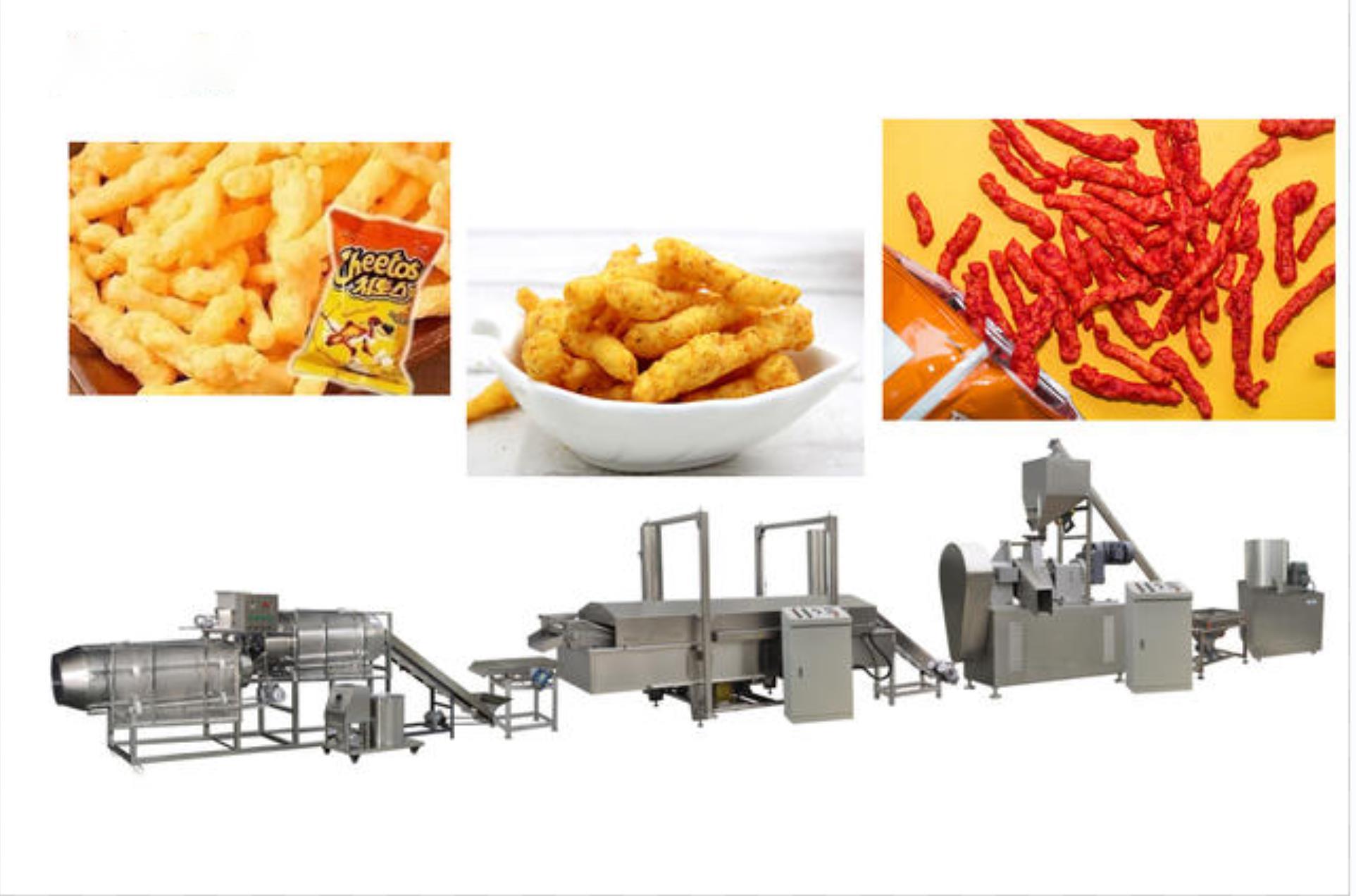
Dialing in the perfect puff starts with understanding how heat interacts with your material. Too low a temperature and the extruder struggles to push out a consistent flow, leaving you with a dense, underwhelming texture. Too high and you risk over-melting, which can collapse that airy structure before it even sets. The sweet spot often sits a few degrees above the standard recommended range, allowing the material to exit the nozzle with just enough viscosity to expand and hold its form.
Flow rate is your next lever—think of it as the pace at which your material enters the build zone. Cranking it up can inject more volume, instantly amplifying the puff, but go too far and you’re inviting blobs and uneven surfaces. The key is to synchronize flow with print speed: a moderate pace gives each layer enough time to cool and stabilize, locking in that delicate, rounded elevation. Watch the first layer closely; if it’s spreading too wide or staying too flat, slight flow adjustments can steer it back toward that signature rounded lift.
Don’t overlook retraction and nozzle height. Even a tiny strand of oozing material can deflate the visual impact of your puff by leaving wispy threads across the surface. A clean retraction setting—just enough to relieve pressure but not so much that it pulls air into the nozzle—keeps edges crisp. Pair that with a precisely leveled bed and a nozzle height that allows the extruded bead to retain its full cross-section. These small corrections compound into a repeatable, unmistakable puff that stands out from ordinary flat extrusions.
The Art of Flavor Coating: From Powder to Perfection
Getting a dry seasoning to cling evenly onto food feels straightforward—until you end up with clumps that burn in the pan or sprinkle half the mix onto the counter. The real trick isn’t the powder itself, but what happens on the surface of the ingredient before the first shake. A slightly damp or oiled exterior acts like adhesive, but too much moisture can turn the coating gummy, not crisp.
Temperature and timing shift the game completely. Cold proteins sweat and repel dry rubs, while letting them rest at room temperature opens pores that grip spices. Tossing in a bowl with a light spray of oil, then spreading out rather than piling, encourages even contact. Fingers work better than spoons for delicate dusting, and a gentle tap removes excess that would steam, not sear.
Perfection arrives when the coating fuses during cooking into a thin, glassy crust that shatters on the tongue instead of peeling off. It’s a balance of texture and taste that turns a simple fillet or vegetable into something worth repeating. Once you spot the sheen and hear that quiet sizzle, you know the powder has given way to something far more beautiful.
Scaling Production Without Losing Quality
Ramping up output tempts teams to loosen standards, but the real trick is baking quality checks into the workflow itself. Instead of treating reviews as a final hurdle, build them into every stage—like automated testing in code or spot checks on the factory line. This way, flaws surface before they snowball, and the pace stays steady without sacrificing what makes the product solid.
Automation helps, yet it’s easy to over-rely on tools that lack human nuance. Blend smart machinery with a handful of seasoned eyes: let algorithms handle repetitive precision tasks, but have people verify edge cases and subtle inconsistencies. This partnership keeps the line moving fast while catching the occasional glitch a program would miss.
Scale isn’t a one-time shift—it’s a constant tinker. Set up short feedback loops where floor-level insights flow directly to process designers. When a worker spots a recurring hiccup, that nugget should tweak the system within days, not months. This rhythm turns growing pains into refinements, so quality doesn’t erode as production climbs.
Troubleshooting Common Extrusion Snags
Extrusion problems can sneak up on you, often starting with a subtle change in surface quality or a drift in dimensions. One of the first things to check is the temperature profile along the barrel. A heater band that's starting to fail or a thermocouple slightly out of position can create uneven melting, which shows up as surging or lumps in the extrudate. Don't just trust the controller readout—verify with a probe thermometer if you suspect a cold spot.
Another frequent culprit sits right at the die. Even a tiny buildup of degraded material or a nick on the land area can drag the melt unevenly, giving you a hooked or wavy profile that drives operators crazy. Sometimes the fix is as simple as polishing the die lip with a fine emery cloth, but be methodical: only polish in the direction of flow, and check the flatness afterwards. For recurring die lines, take a close look at the melt filter upstream—a partially blocked screen can send fragmented particles straight to the die gap.
Don't overlook the feedstock. Variations in regrind content, moisture levels, or batch-to-batch pellet size can quietly destabilize output. If you're seeing random blips in melt pressure or intermittent roughness, try drying the material even if it's supposedly “pre-dried,” and keep the hopper throat cool to prevent bridging. A consistent feed throat temperature and a properly functioning hopper loader often solve problems that get blamed on the screw design.
Exploring Oil and Moisture for a Lighter Mouthfeel
When you think about achieving a lighter, more refreshing mouthfeel in food or beverages, the role of oil and moisture is often misunderstood. It's not just about reducing fat content—instead, it's about how those elements are structured and perceived. By carefully balancing tiny droplets of oil within a water-based matrix, we can trick the palate into sensing creaminess without the heavy coating that usually comes with traditional emulsions. This technique relies on both the size of the oil droplets and how they interact with moisture, creating a sensation that feels airy and clean rather than dense or greasy.
One approach gaining traction is the use of micro-emulsions or nano-emulsions, where oil droplets are so fine that they scatter light differently and land on the tongue with a velvety, almost weightless touch. The moisture component acts as a carrier, distributing the oil evenly and allowing for a quick, clean finish. Subtle shifts in the water-to-oil ratio, along with the addition of natural stabilizers like certain polysaccharides, can yield a texture that mimics full-fat versions but with a fraction of the heaviness. This is particularly useful in products like dressings, dairy alternatives, or sauces where a rich feel is desired without the lingering coating.
Beyond emulsions, manipulating moisture through air incorporation or hydration techniques can also lighten the overall sensation. Whipped textures or carefully managed water activity levels can introduce a fleeting, almost ephemeral mouthfeel that quickly disappears without residue. By treating oil and moisture not as separate entities but as partners in texture design, it’s possible to craft experiences where indulgence meets a modern preference for lighter, cleaner indulgence.
FAQ
The key lies in high-temperature, high-pressure extrusion that instantly puffs the cornmeal, creating that airy, melt-in-your-mouth crunch. Precise control over moisture and die design replicates the signature twisty shape.
Rapid pressure drop at the die exit causes water in the dough to flash into steam, expanding the starch matrix. This yields a light, porous structure. Adjusting screw speed and barrel temperature lets you fine-tune from delicate crispiness to a harder bite.
A multi-hole die with angled orifices and a rotating cutter blade. The holes are arranged to force the dough into a rope that twists upon itself as it's cut, forming the familiar curly shape without needing post-extrusion shaping.
While liquid flavors can be injected into the barrel, it's tricky due to high heat. Most manufacturers opt for post-extrusion oil spraying and seasoning tumbling, which better preserves delicate cheese and spice notes and ensures even coating.
Dent corn grits with uniform particle size and controlled moisture (typically 12–15%) are crucial. The starch profile and lack of impurities prevent surging and ensure steady expansion. Degerminated corn gives a cleaner flavor and lighter color.
Check moisture levels—too dry causes dense centers; too wet leads to collapse. Inspect die wear and barrel temperature zones. Screw configuration imbalance can also create pressure fluctuations. Regularly calibrating feeders and conditioners solves most instability.
Daily cleaning of the die and cutter assembly prevents buildup. Weekly checks on barrel heaters and thermocouples, plus monthly screw and barrel wear inspections, avoid downtime. Lubricating thrust bearings per the manual extends service life.
Yes, by swapping die plates and adjusting the cutter speed. For instance, corn balls use a shorter cut, while curls need a specific rotation rate. Some advanced extruders have quick-change die systems to minimize production interruptions.
Conclusion
Crafting Cheetos-style corn curls demands a holistic mastery of the extruder machine, starting with the corn meal itself. The meal's particle size and moisture content set the foundation for that iconic crunch, influencing how the dough expands under heat and pressure. Fine-tuning the extruder settings—screw speed, barrel temperature profiles, and die configuration—is equally critical to achieve the airy, signature puff. Small adjustments can shift the texture from dense to melt-in-your-mouth light, so precision here is non-negotiable.
Beyond the mechanics, the art of flavor coating transforms the puffed curls into a sensory delight. A well-calibrated coating drum ensures even distribution of seasoning powders, while oil application before coating helps the flavors adhere and contributes to a lighter mouthfeel. Scaling production introduces new challenges: maintaining consistent puff quality and flavor coverage across larger batches requires careful monitoring of extruder throughput and coating parameters. When issues arise—such as uneven expansion or surface roughness—troubleshooting often involves revisiting moisture levels, screw wear, or temperature stability. Ultimately, the interplay between ingredient selection, machine tuning, and post-extrusion handling defines a truly crave-worthy corn curl that rivals the classic cheese snack we all know.
Contact Us
Contact Person: LILY SUN
Email: [email protected]
Tel/WhatsApp: 0086-13969103791
Website: https://www.snackfoodmachinery.com/