
Custom Rotary Dip Switches: How to Choose the Right Supplier for Your Project
2026-05-30
When your project demands precision and reliability, off-the-shelf rotary DIP switches often fall short—custom configurations are not just a luxury, they're a necessity. But navigating the maze of suppliers to find a partner who truly understands your technical requirements can be daunting. This is where a trusted manufacturer like KEJIAN ELECTRONICS makes all the difference, offering tailored solutions that blend robust engineering with seamless collaboration. Read on to discover the key factors that separate a dependable supplier from a costly mistake, and how to ensure your custom rotary DIP switches are exactly what your design needs.
Decoding Supplier Expertise in Custom Rotary Dip Switches
Decoding supplier expertise starts with looking past the catalog. Many manufacturers offer rotary DIP switches, but true experts stand out through their ability to customize every detail—from contact materials and actuator torque to sealing options for harsh environments. It's not just about meeting a spec sheet; it's about understanding how the switch will perform in your specific circuit layout under real-world conditions. Expert suppliers often have in-house design teams who can suggest optimizations you hadn't considered, like improved detent mechanisms for blind-placement applications or gold-over-nickel contacts for low-voltage logic circuits.
Another layer of expertise is visible in production agility. A skilled supplier doesn't just churn out high volumes with automated assembly; they maintain tight tolerances on centerlines and terminal co-planarity for hand-soldered prototypes. Their quality systems catch intermittent open circuits before they ever reach your bench, using specialized testing that mimics years of switching cycles in minutes. This focus on early-stage reliability prevents field failures that are costly to trace back to a sub-dollar component. Moreover, they will honestly tell you when a full custom is overkill and a standard variant can be adapted, saving both time and budget.
Finally, effective communication ties everything together. A supplier worth their salt will avoid jargon-heavy datasheets in favor of clear, accessible documentation and prompt engineering support. They won't push a one-size-fits-all solution; instead, they'll ask about your PCB layout, expected switching frequency, and environmental stressors. This consultative approach ensures the final product isn't just a component you ordered, but a solution that integrates seamlessly into your design lifecycle. Look for partners who treat a rotary DIP switch order with the same seriousness as a complex connector assembly—it's a good litmus test for their overall expertise.
Customization Capabilities That Set Suppliers Apart
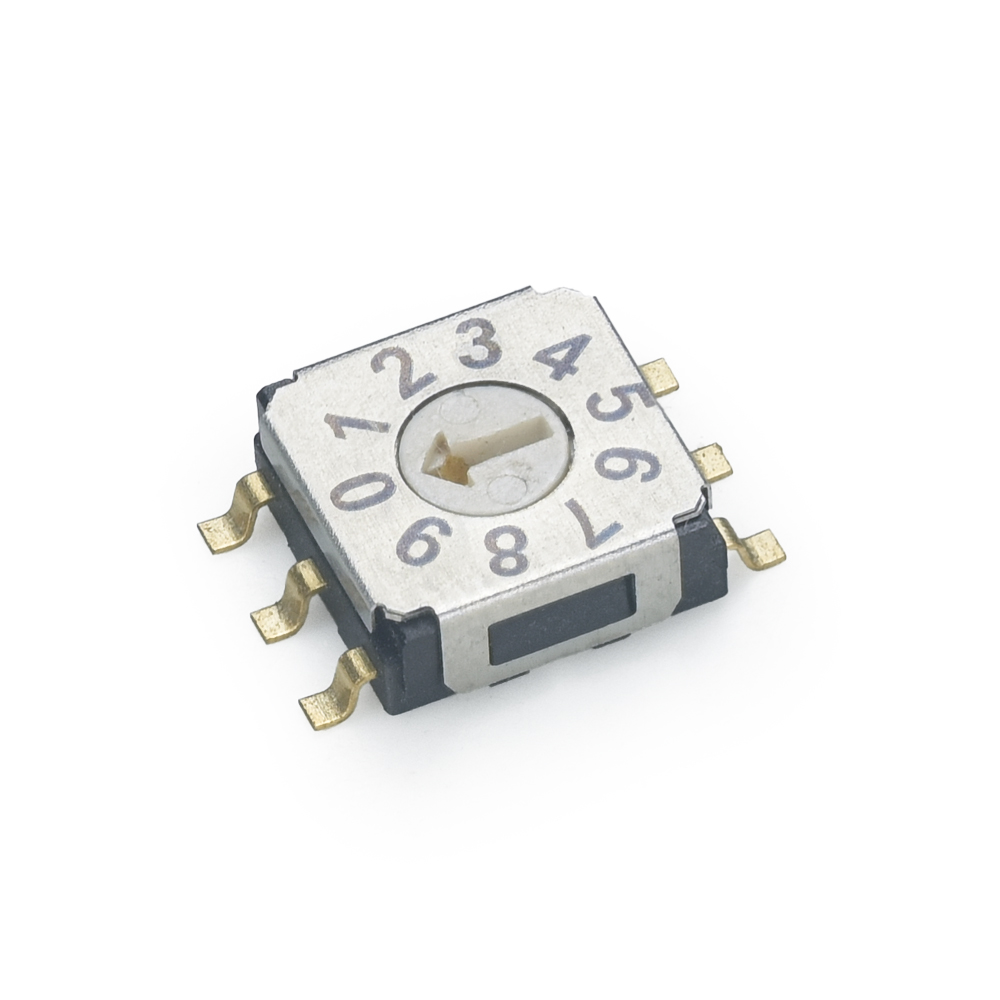
True customization isn’t just about picking colors or adding a logo. It’s about a supplier’s willingness to dive into your production workflow, understand the pressures of your lead times, and adapt their processes so the final output feels like an extension of your own team. When a supplier invests time in learning your tolerance expectations, packaging quirks, and even the way you label boxes, they move from being a vendor to a strategic partner who can anticipate needs before you articulate them.
The real differentiator often lies in how suppliers handle the unexpected. Can they reverse-engineer a legacy part from a faded drawing? Will they suggest material substitutions that cut costs without compromising performance, simply because they remember a challenge you faced six months ago? This kind of proactive problem-solving requires a blend of technical depth and genuine curiosity—qualities that turn a transactional relationship into a collaborative one. It’s the quiet confidence of a supplier who says, “We can make that work,” and then delivers without drama.
Beyond technical chops, there’s a human element that no automated platform can replicate. A supplier that assigns a dedicated point of contact who remembers your last conversation, tracks your evolving standards, and even flags potential bottlenecks during the design phase is the one that earns long-term loyalty. It’s in the small gestures: a phone call to confirm a spec nuance instead of a bloated email chain, or a sample shipped ahead of schedule because they know you’re presenting to a client. That level of attentiveness transforms customization from a service offering into a genuine competitive advantage.
Quality Assurance Practices for Long-Term Reliability
Long-term reliability doesn't happen by accident. It's the result of deliberate choices made early in design, where components are selected not just for initial performance but for how they age under stress. We push prototypes through accelerated life testing, exposing them to temperature extremes, humidity, and vibration far beyond normal use. Then we tear them down to examine wear patterns. This forensic approach reveals weaknesses that simulations might miss, letting us reinforce critical points before a single unit ships.
Real-world feedback loops are just as crucial. Instead of waiting for failures, we embed subtle self-diagnostics that monitor drift in key parameters over time. When a capacitor starts to degrade or a seal loses elasticity, the system flags it during routine checks, prompting preemptive replacement. This shifts maintenance from a calendar-based chore to a condition-based strategy, keeping equipment running smoothly while building a rich dataset on degradation patterns.
Supplier partnerships complete the picture. We work closely with material vendors to lock in formulations that resist corrosion and fatigue, even running shared batch-level tests to ensure consistency. When a supplier changes a curing process or a raw material source, we re-qualify immediately. That level of vigilance, combined with periodic audits of our own assembly practices, creates a culture where reliability is everyone's metric—not just a final inspection checkbox.
Navigating Technical Support and Engineering Collaboration
When technical issues arise, the way teams coordinate can shape both the speed and quality of a solution. Rather than simply filing a ticket and waiting, effective navigation starts with clarity: describing the problem in terms of its impact, the conditions that trigger it, and any temporary workarounds already tried. This approach turns a one-way request into a conversation starter, allowing engineers to dive in with context instead of starting from scratch. It also helps to identify the right escalation paths early, so that your query reaches the person with the deepest relevant knowledge, not just the first available responder.
Engineering collaboration thrives when communication stays focused but grounded in real data. Share logs, screen captures, or even a short screen recording to eliminate guesswork. In return, expect engineers to ask clarifying questions — this back-and-forth isn't a sign of inefficiency, but of thoroughness. Building a habit of recording what's been tried, what changed, and what remained consistent makes the entire interaction more productive. Over time, these documented exchanges become a knowledge base that prevents the same issue from returning.
The most successful collaborations move beyond isolated fixes and into improvement cycles. After resolving an immediate blocker, ask what could have caught it sooner — maybe better monitoring, a design change, or a testing gap. Treat each support interaction as a chance to strengthen the system, not just close a ticket. When engineers and support teams work together with this mindset, the result is more than a fix; it’s a more resilient product and a partnership built on mutual understanding.
Production Timelines and Scalability: What to Expect
When you kick off a new product run, timelines rarely follow a straight line. Early stages often move quickly—prototyping, sampling, and initial feedback can happen in weeks. But once you hit pilot production, small snags can turn into multi-day delays. Material shortages, last-minute design tweaks, and real-world testing all pile up. It’s the kind of unpredictability that makes rigid deadlines feel naive. Instead, building in buffer phases at each handoff point keeps things from derailing completely.
Scalability isn’t just about running machines faster. It’s about how your processes—and your people—handle a sudden jump from hundreds to tens of thousands of units. A factory that nails a 500-unit order might crumble when 5,000 are due the same month. You’ll see tooling wear out, QC steps become bottlenecks, and communication gaps widen between departments. The trick is to pressure-test every link in the chain early, even if it feels like overkill for a small batch. Those stress tests reveal where the real ceilings are, long before they cost you a major client.
Balancing Cost and Value Without Sacrificing Performance
Striking the right balance between cost and value is a constant challenge, but it doesn't have to mean settling for less. Smart resource allocation often reveals that high-performing solutions aren't always the most expensive. By focusing on what truly drives outcomes—be it material quality, process efficiency, or talent—you can trim unnecessary expenses without undercutting the final product's impact.
Rethinking traditional trade-offs opens the door to innovations that maintain, or even boost, performance while keeping budgets in check. For example, iterative testing and data-driven adjustments allow teams to identify which elements genuinely contribute to success and which are just draining resources. This approach turns cost management from a limitation into a strategic advantage, ensuring every dollar spent works harder.
Ultimately, the goal isn't to slash spending blindly but to cultivate a mindset where value and performance coexist. When decisions are guided by long-term gains rather than short-term savings, you build a resilient framework that adapts without breaking. It's about making choices that feel intuitive and organic, so the end result stands strong on its own merits.
FAQ
They are small electromechanical devices that allow manual setting of binary codes through rotating actuators. Custom versions are tailored for specific applications like industrial controls, medical equipment, or communication devices where standard off-the-shelf switches won't meet the exact needs.
Standard switches often come in fixed sizes, pin configurations, and resistance values. If your design has space constraints, needs unique coding, or must withstand harsh environments, customization ensures the switch integrates seamlessly and performs reliably.
Look beyond price. Assess their engineering support, ability to handle your volume requirements, material certifications, and track record with similar projects. A supplier that asks detailed questions about your application is usually a good sign.
Material choice directly impacts durability and contact stability. For high-cycle applications, gold-plated contacts and robust housing materials resist corrosion and wear. Always request material datasheets and test reports from the supplier.
Absolutely. Experienced suppliers often provide design assistance, suggesting improvements to enhance manufacturability or reduce cost. Share your concept early, and they can help refine it into a production-ready design.
Custom orders typically have longer lead times due to tooling and setup. Clarify the supplier's typical turnaround and MOQs upfront. Some suppliers offer low-volume prototypes before committing to a large batch, which is invaluable for testing.
Ask for their quality certifications and request a factory audit if possible. Review their testing procedures for switch life, environmental sealing, and electrical performance. A transparent supplier will gladly share this information.
Vague communication, inability to provide references, or reluctance to share technical details are warning signs. Also, be wary of suppliers who promise unrealistic timelines or pricing that seems too good to be true.
Conclusion
Finding the right partner for custom rotary dip switches goes beyond comparing datasheets. It starts with evaluating a supplier’s technical depth—do they understand the nuances of contact materials, actuator styles, and IP ratings that match your application? Genuine expertise shows in how they guide you from initial concept to a tailored solution, not just by offering off-the-shelf variants. Look for manufacturers that treat customization as a core capability: from PCB pin configurations and shaft lengths to unique encoding and sealing options. This flexibility, backed by a rigorous quality system that includes life-cycle testing and inspection protocols, ensures the final product can withstand real-world conditions without compromising consistency.
Equally critical is the collaborative engineering support you receive—whether it’s early-stage design feedback or troubleshooting integration challenges. A supplier’s willingness to align with your development timeline, while transparently managing prototyping lead times and volume scalability, prevents costly delays. Cost discussions should focus on long-term value rather than unit price alone: investing in better materials or smarter design often reduces field failures and total ownership costs. The most reliable partnerships are built on mutual commitment to performance optimization, where the supplier’s process maturity and communication streamline the journey from prototype to full-rate production, delivering switches that precisely meet your mechanical and electrical requirements.
Contact Us
Contact Person: Anna lin
Email: [email protected]
Tel/WhatsApp: +86 13567768885
Website: https://www.kjele.com/