
Effective Soil Stabilization Techniques for Durable Road Construction
2026-08-03
Building roads that stand the test of time starts from the ground up—literally. Without proper soil stabilization, even the best-laid asphalt can crack, rut, and fail under pressure. At MST, we’ve seen how cutting-edge stabilization techniques transform weak subgrades into rock-solid foundations, slashing maintenance costs and extending pavement life. In this post, we’ll unpack the most effective methods used today, from chemical binders to mechanical reinforcement, and show you why getting the base right is the smartest investment you can make for durable road construction.
Smart Compaction Methods That Boost Subgrade Strength
Traditional compaction often leaves hidden weaknesses deep within the subgrade, but newer approaches are changing that. One method involves adjusting the moisture content with precision—not just soaking the soil, but using real-time sensors to hit the exact optimum level. This allows the compactor to achieve higher density with fewer passes, and the moisture binds the particles more effectively, creating a tougher base. It’s a simple shift that avoids the common mistake of over-wetting or under-drying, which can silently undermine long-term stability.
Another clever technique is the use of intelligent vibratory rollers that constantly measure stiffness as they move. Instead of relying on preset vibration patterns, these machines read the ground beneath them and automatically alter amplitude and frequency. The result is compaction energy that’s dialed in for the specific layer, whether it’s silty sand or clayey gravel. Operators see a color-coded map on a dashboard, showing exactly where the subgrade is solid and where it still needs work, eliminating guesswork and ensuring consistent support from edge to edge.
A third method gaining ground is the strategic layering of aggregates during compaction. Rather than dumping a thick lift and hoping the energy reaches the bottom, contractors are placing thinner, well-graded layers and compacting each one with a padfoot roller before adding the next. This step-by-step buildup interlocks the material and creates a dense, interlocking skeleton that distributes loads more evenly. Combined with modern drainage awareness, this approach fights moisture buildup and keeps the subgrade resilient, even under heavy traffic and harsh weather.
Blending Natural Binders for Long-Lasting Road Bases
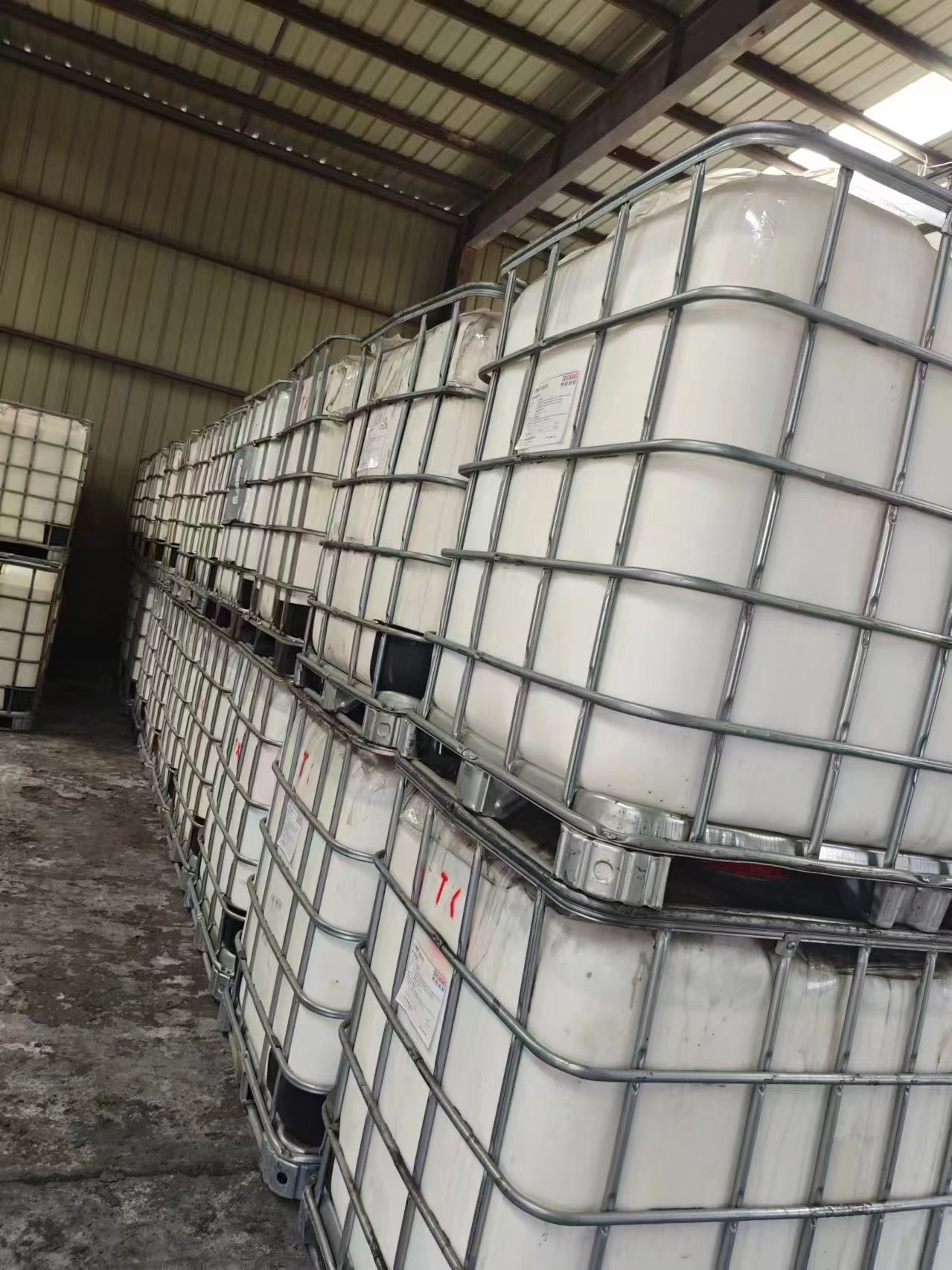
Achieving durable road foundations starts with a careful selection of natural binders that complement local soil conditions. Materials like lime, volcanic ash, or biopolymers can be blended in precise ratios to enhance cohesion and reduce permeability. The key is finding the right synergy—too little binder won’t stabilize the base, while excessive amounts may lead to brittleness. By testing small batches under simulated traffic loads, engineers can identify the optimal mix that maintains flexibility without sacrificing strength.
Mixing techniques play a crucial role in the performance of binder-treated bases. Uniform distribution is essential; even high-quality binders fail if poorly integrated. Modern pugmills and on-site blending equipment ensure the binder coats every particle, while moisture control during compaction locks the structure in place. Field trials show that roads built with these methods resist cracking and erosion far longer, reducing the need for frequent repairs and lowering lifecycle costs in rural and urban settings alike.
Long-term success also hinges on the environmental interaction of the chosen blend. Certain natural binders slowly react with atmospheric carbon dioxide or groundwater minerals, gaining strength over time—a process that mimics natural rock formation. This self-healing quality extends service intervals and reduces maintenance interventions. By prioritizing locally available materials, such mixes also cut transportation emissions and support regional economies, making them a practical choice for sustainable infrastructure projects.
Geosynthetics: The Hidden Layer That Prevents Erosion
Beneath roads, retaining walls, and landscaped slopes lies an unseen shield—geosynthetics. These synthetic polymers, woven or non-woven, are engineered to stabilize soil and resist the scouring forces of water and wind. Unlike concrete armor or riprap that screams for attention, geotextiles work silently, letting grassroots intertwine while holding the earth firm against deluge and drought.
Their magic lies in filtration and separation. Picture a heavy downpour on a hillside: water sluices downhill, eager to rip soil particles along for the ride. A geotextile layer acts like a sieve, letting water pass while trapping sediment. Combined with geomembranes, they stop the sapping that undermines structures. It’s this dual function—drainage without desertion—that makes them indispensable in places where erosion isn’t an event but a guarantee.
Installation often goes unnoticed, buried under topsoil or aggregate, yet the transformation is dramatic. Projects that once required heavy machinery and frequent maintenance now endure with minimal intervention. From coastal revetments to highway embankments, these hidden layers are rewriting the rules of land stewardship, proving that the best protection is often the one you never see.
Chemical Stabilizers That Tame Expansive Soils
Lime is one of the most trusted remedies for calming the erratic behavior of expansive clays. When mixed into the soil, it triggers a rapid cation exchange that flocculates the clay particles, transforming a sticky, plastic mass into a crumbly, workable material. Over time, a slower pozzolanic reaction forms cementitious bonds that lock the soil structure in place, dramatically reducing its affinity for water and its tendency to shrink and swell.
Cement works on a different timescale, offering a quicker strength gain that can be essential for project timelines. It hydrates and creates a rigid matrix that physically restrains volume changes, though its effectiveness often hinges on the soil's mineral makeup. In highly plastic clays, cement alone may struggle unless combined with a small percentage of lime to first modify the clay surface, setting the stage for a more durable stabilization.
For a more tailored approach, liquid ionic stabilizers and polymers are gaining ground. These additives work at the molecular level—neutralizing the negative charges on clay platelets or coating them with a hydrophobic film that prevents water ingress. Unlike bulkier treatments, they can be applied with minimal disturbance and are often favored in environmentally sensitive zones where dust control and long-term erosion resistance matter just as much as swelling mitigation.
Moisture Control Tactics for Year-Round Stability
Keeping indoor humidity in check demands a blend of vigilance and the right tools, no matter the season. In winter, cold air holds less moisture, but heating systems can dry things out too much, leading to static shocks and cracked wood. A simple hygrometer helps you track levels, while a humidifier paired with a smart controller can maintain that 40–50% sweet spot without constant adjusting. Don’t overlook everyday habits: cooking with lids on pots and air-drying laundry indoors both release moisture that can be easily managed with a brief window opening or an exhaust fan running for ten minutes.
Summer calls for a different playbook, as warm air sneaks in loaded with humidity. Air conditioners naturally pull moisture, but if your unit is oversized, it might cool too quickly without dehumidifying properly—leaving you with a clammy chill. In that case, a standalone dehumidifier works wonders, especially in basements or crawl spaces where mustiness thrives. Seal up gaps around windows and doors to keep the mugginess outside, and consider using moisture-absorbing plants like peace lilies or Boston ferns, which can subtly help balance indoor air while adding a touch of green.
The in-between seasons—spring and autumn—are often overlooked but can be tricky, as temperature swings cause condensation on walls and windows. One practical tactic is to run a dehumidifier on a timer during damp mornings and switch to natural ventilation when afternoon breezes are dry. Installing vapor barriers in attics or under floors stops ground moisture from creeping upward, and checking that dryer vents and bathroom fans actually vent outdoors (not into the attic) is a quick fix that saves long-term headaches. By addressing these transitional periods, you’ll prevent the slow damage that erratic humidity can inflict, keeping your home’s structure and comfort stable all year.
Alternative Materials for Eco-Friendly Road Solutions
Traditional road construction leans heavily on asphalt and concrete, both of which carry a steep environmental toll. The extraction and processing of these materials demand immense energy and release significant carbon emissions. In response, engineers and scientists are turning to unconventional resources that can curb pollution while maintaining durability. Ideas once considered fringe, like blending recycled plastics into pavement mixtures or using crushed seashells as aggregate, are gaining traction. These substitutes not only reduce reliance on virgin materials but also give new life to waste that would otherwise clog landfills or oceans, redefining what it means to build a road with nature in mind.
Bio-based binders are emerging as a compelling alternative to petroleum-derived bitumen. Lignin, a natural polymer found in wood and plants, shows promise when processed into a sticky, weather-resistant binder. Trials in parts of Europe have demonstrated that lignin-enhanced asphalt performs well under heavy traffic while cutting greenhouse gas output by up to 60% during production. Similarly, algae-derived polymers are being explored for their rapid renewability—some strains can be harvested within days—and their ability to sequester carbon. These organic binders challenge the status quo, proving that roads can be both high-performance and kinder to the atmosphere.
Beyond pavements, the very skeleton of a road is being reimagined. Geopolymer concrete, made from industrial byproducts like fly ash or slag activated with alkaline solutions, offers a cement-free foundation that slashes CO2 emissions by up to 80%. Another breakthrough is the use of recycled rubber from end-of-life tires, which when ground and mixed into asphalt, creates a quieter, more flexible surface that resists cracking in extreme weather. These innovations don't just mimic conventional strength—they often outperform it. Municipalities worldwide are gradually rewriting their construction codes to accommodate such materials, signaling a shift where eco-conscious choices become standard practice rather than experimental footnotes.
FAQ
Without proper soil treatment, roads are prone to rutting, cracking, and premature failure due to weak subgrades. Stabilization enhances load-bearing capacity, reduces moisture susceptibility, and creates a solid foundation that extends pavement life significantly.
Lime reacts with clay particles through cation exchange and pozzolanic reactions, reducing plasticity and swell potential. This transforms the soil into a more granular, workable material that gains strength over time, even in wet conditions.
Cement works best with granular soils and in projects requiring rapid strength gain. It's often used for base layers and in cold climates where lime's reactivity slows down, providing a durable, rigid layer that distributes traffic loads effectively.
Fly ash, a byproduct of coal combustion, acts as a pozzolan when combined with lime or cement. It reduces the carbon footprint of the project while improving long-term strength and durability, making it a popular option in eco-conscious road construction.
Geotextiles and geogrids provide immediate mechanical reinforcement, separate aggregate from weak subgrade, and improve drainage. They prevent intermixing, reduce aggregate thickness requirements, and enhance pavement performance under heavy traffic loads.
Bitumen coats soil particles, providing water resistance and flexibility rather than just increasing strength. It's ideal for sandy soils in arid regions, creating a waterproof, fatigue-resistant layer that handles thermal stresses well.
Innovations like enzyme-based stabilizers, polymer additives, and bio-mediated methods are gaining traction. These non-traditional techniques aim to reduce environmental impact while offering effective stabilization for specific soil types and moisture conditions.
Conclusion
Modern road construction increasingly demands more than just compaction; it requires an integrated approach to soil stabilization that blends mechanical, chemical, and biological strategies. Smart compaction methods now rely on real-time monitoring to adjust energy and achieve uniform density, directly boosting subgrade strength without overworking the material. At the same time, blending natural binders—like biopolymers or low-carbon alternatives—creates long-lasting road bases by enhancing cohesion and reducing the need for energy-intensive cement. Hidden beneath the surface, geosynthetics act as a reinforcing and separation layer, preventing aggregate loss and halting erosion before it can undermine the pavement structure.
On reactive or expansive soils, chemical stabilizers such as lime, fly ash, or proprietary ionic solutions can tame swelling and shrinking, preserving ride quality through seasonal changes. This is complemented by moisture control tactics that use drainage, waterproofing, and precise water application to maintain an optimal moisture barrier year-round. Looking forward, the push for sustainability brings alternative materials into the mix—recycled concrete, crushed glass, or even ash from biomass—offering eco-friendly solutions without sacrificing performance. By weaving these techniques together, engineers can build durable roads that stand up to heavy traffic and extreme weather while lowering the environmental footprint.
Contact Us
Contact Person: Helen
Email: [email protected]
Tel/WhatsApp: 86 18630661160
Website: https://www.roadmilestone.com/