
Essential Concrete Admixtures: Recommended List for Stronger Builds
2026-10-16
What separates a concrete structure that lasts decades from one that cracks prematurely? Often, it comes down to the admixtures you choose before the pour. In this guide, we break down the essential admixtures every contractor should consider for stronger, more durable builds—and how HAISEN products fit into the picture.
Water Reducers That Cut Cement Without Cutting Corners
Dropping cement content usually sounds like a recipe for weaker concrete, but the right water reducer changes that math. Instead of tweaking mix designs with guesswork, modern high-range reducers let you pull out a meaningful share of Portland cement while keeping slump, set time, and finishability right where the crew expects them.
The workhorse here is a polycarboxylate ether that disperses cement grains more efficiently than older lignosulfonate or naphthalene formulas. Because each particle gets fully wetted and separated, you need less paste to coat the aggregate. That means the cement you do use works harder, and the water demand drops without turning the mix sticky or delaying early strength.
On site, the difference shows up as cleaner pump lines, fewer bug holes, and flatwork that closes up without extra water sprayed on top. Labs back it up with equivalent or better 28-day breaks at 10–20 percent lower cementitious content. It is not about cheapening the mix; it is about spending the cement budget where it actually contributes.
Set Retarders for Hot Weather Pours That Won't Crack Under Pressure
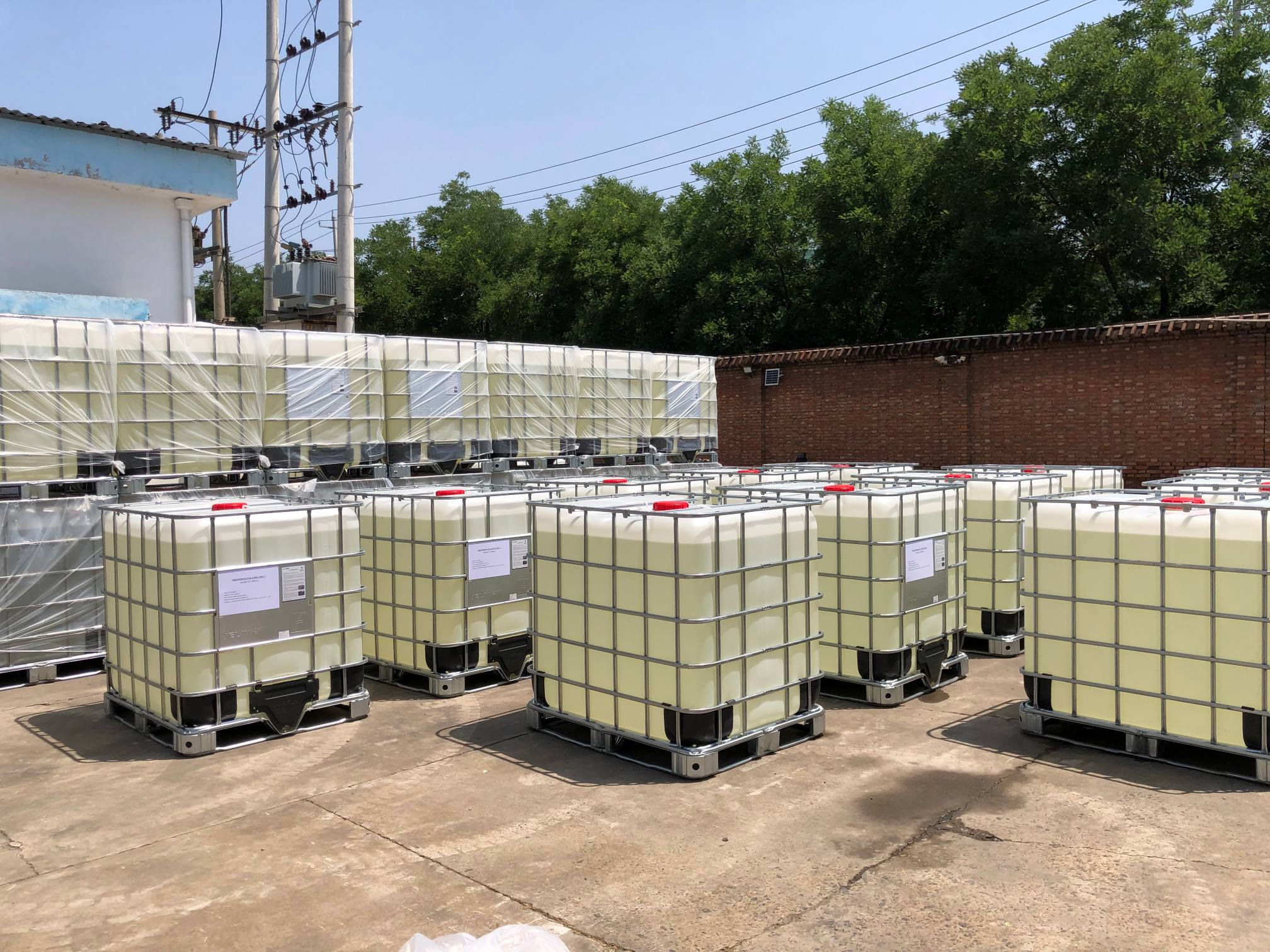
Hot-weather concrete placement turns the clock against you. As ambient temperature climbs past 85°F, hydration accelerates and slump loss follows within minutes, leaving crews fighting a stiff, unworkable mix. That's where a properly dosed set retarder earns its keep — not by freezing the reaction, but by stretching the early stiffening window so the pour remains plastic long enough for proper placement, vibration, and finishing.
The real payoff arrives when the heat tries to pull moisture out of the slab before it gains enough tensile strength to resist shrinkage. Without retardation, surface water evaporates while bleed water is still rising, and that imbalance is exactly what opens the door to plastic shrinkage cracks. A well-selected retarder keeps the paste open longer, allowing bleed water to reach the surface uniformly and giving curing compounds a fighting chance to lock moisture in before the skin tightens.
But dosage is not a one-size-fits-all number. Too little retarder does nothing on a 95°F pour; too much can delay set past the point where finishers can hit it before dark. The practical approach is to pair the retarder with a mid-range water reducer, track the concrete temperature at the chute, and adjust the dose based on the actual heat of the mix — not the forecast. That combination buys the extra hour or two needed to avoid cold joints and surface crazing when the pressure is on.
Air Entrainment: The Tiny Bubbles That Save Concrete From Freeze-Thaw
Concrete looks solid, but it is full of microscopic pores. When water seeps into those pores and freezes, it expands by about 9 percent. Without a way to relieve that pressure, the ice pushes against the surrounding matrix, causing cracks that grow with every freeze-thaw cycle. Air entrainment changes this by deliberately adding billions of tiny, disconnected air bubbles—most between 10 and 1,000 micrometers across—into the mix. These bubbles act as pressure relief valves, giving the expanding ice a place to go instead of breaking the concrete apart.
The key is not just any bubbles, but the right size and spacing. If the bubbles are too large or too far apart, water can still freeze in the unprotected spaces between them. That is why engineers measure the spacing factor, which is the maximum distance any point in the paste can be from the nearest air void. A spacing factor below about 0.2 millimeters is generally needed for good freeze-thaw resistance. Air-entraining admixtures, usually based on natural wood resins or synthetic surfactants, stabilize these tiny bubbles during mixing and keep them from merging or floating out before the concrete sets.
The trade-off is strength. Each percent of air reduces compressive strength by roughly 3 to 5 percent, so designers balance durability against structural needs. In severe climates where concrete is exposed to moisture and repeated freezing, air contents of 5 to 8 percent in the fresh mix are common. The result is pavement, bridge decks, and exterior walls that survive decades of harsh winters without spalling or scaling. Without those tiny bubbles, even high-strength concrete would crumble long before its time.
Accelerators That Speed Up Strength Without Sacrificing Quality
Most people assume faster strength gains mean cutting corners, but the right accelerators prove otherwise. Think of tempo manipulation—slowing down the eccentric phase just enough to increase time under tension, or using cluster sets to maintain bar speed while lifting heavier loads. These aren't gimmicks; they're deliberate tweaks that exploit neuromuscular adaptation without adding junk volume.
Another underrated lever is exercise selection matched to your leverage. A close-grip bench press or front squat can unlock progress that endless variations of the same lift never will, simply because they force your body to produce force in a slightly unfamiliar pattern. Pair that with strategic rest-pause work on accessory movements, and you've got a recipe for steady overload that respects recovery.
The real secret is consistency in the boring things: sleep, protein timing, and tracking bar speed. When those are locked in, adding one or two accelerators per training block—like velocity-based autoregulation or isometric pauses at your sticking point—delivers noticeable strength without the burnout that usually follows aggressive programming.
Superplasticizers for Flowing Concrete That Still Stands Tall
Most people think making concrete flow means adding water, but that's the one move that quietly kills strength. Superplasticizers flip the logic: they lubricate the mix at the particle level, letting you chase a 700 mm slump flow without watering down the binder. The cement grains stop clumping, the paste becomes more mobile, and the placed concrete still holds its shape vertically instead of turning into soup.
The real work happens in the first few minutes after mixing. Polycarboxylate-based molecules wrap around cement and silica fume surfaces, creating steric repulsion that keeps particles from locking together. This dispersing effect lasts long enough for pumping, placing, and finishing, but it doesn't sacrifice the internal friction that prevents aggregate settlement. You get a mix that moves like a fluid under vibration and then locks into a stable, upright section once the energy stops.
On jobs with tight rebar cages or tall column forms, that balance is everything. A well-dosed superplasticizer removes the need for excessive vibration, reduces honeycombing, and still leaves the hardened concrete dense enough to carry the load years later. It's not about making concrete thinner; it's about making it smarter about when to flow and when to stand.
Waterproofing Admixtures: Keeping Moisture Out Before It Gets In
Waterproofing admixtures don't just sit on the surface—they work from within the concrete matrix itself. By reacting with cement hydration products, these admixtures form crystalline structures that plug capillary pores and micro-cracks. The result is a dense, low-permeability barrier that stops water ingress before it ever has a chance to cause damage. Unlike sheet membranes or coatings, this protection won't peel, tear, or degrade over time, making it ideal for below-grade structures, tunnels, and water-retaining tanks where access for repairs is limited.
What sets modern waterproofing admixtures apart is their ability to self-heal. When new cracks form due to settlement or thermal movement, dormant chemicals within the concrete reactivate upon contact with moisture. They grow new crystals to seal the crack, effectively maintaining the waterproof envelope without any manual intervention. This passive, always-on defense mechanism aligns perfectly with the philosophy of keeping moisture out before it gets in—turning the concrete itself into the first and last line of defense.
From a practical standpoint, integrating these admixtures into the mix design eliminates the scheduling conflicts and inspection bottlenecks that come with traditional external waterproofing. There's no waiting for the membrane to cure, no risk of puncture during backfilling, and no need for skilled applicators on site. The admixture simply travels with the concrete, ensuring every corner, joint, and tie-hole gets the same level of protection. For projects where moisture intrusion is a critical failure mode, this holistic, embedded approach offers a more resilient and cost-effective solution over the structure's full service life.
FAQ
A non-chloride accelerator is usually the best bet. It speeds up cement hydration without the corrosion risk that calcium chloride brings, so forms can be stripped sooner and the schedule stays on track.
Yes, because they let you cut the mix water while keeping the same slump. Lower water-cement ratio translates directly into a denser, stronger paste, and you often get better workability at the same time.
Air-entraining agents are what you want. They create tiny, well-distributed air bubbles that give freezing water room to expand, which prevents internal cracking and surface scaling over many winters.
A set-retarding admixture is the usual choice. It slows the hydration reaction just enough to keep the mix workable and prevent cold joints, without compromising long-term strength.
Shrinkage-reducing admixtures lower the surface tension of pore water, which reduces the capillary stresses that pull the concrete apart as it dries. Combine that with good curing and you'll see noticeably fewer random cracks.
Use a corrosion-inhibiting admixture, typically calcium nitrite based. It forms a protective layer on the rebar and delays the onset of chloride-induced corrosion, which is critical for piers, seawalls, and bridge decks.
Yes, a polycarboxylate-based high-range water reducer is almost essential. It gives the mix high flow without segregation, so the concrete fills congested forms under its own weight and still hits design strength.
Not exactly, but a good waterproofing admixture combined with a mid-range water reducer covers both bases. The water reducer lowers the w/c ratio for strength and density, while the waterproofing agent blocks capillary pores to keep water out.
Conclusion
A well-chosen mix of concrete admixtures can make the difference between a structure that barely holds up and one that outlasts expectations. Instead of leaning on extra cement to chase strength, smart builders start with water reducers—they keep the mix workable while cutting water content, which boosts density and durability without inflating costs. In hot weather, set retarders prevent the mix from stiffening too early, giving crews time to place and finish without fighting premature cracks. And when freeze-thaw cycles threaten, air entrainment quietly builds in a network of microscopic bubbles that absorb the pressure of expanding ice, saving slabs from spalling long before it shows.
For projects that need early strength without sacrificing long-term quality, accelerators offer a controlled speed-up—useful in cold climates or tight schedules. Superplasticizers take workability further, producing flowing, self-leveling concrete that still meets high strength targets once cured. And waterproofing admixtures do their work from the inside out, blocking capillary channels and keeping moisture from ever finding a path in. Together, these six essentials aren't about doing more—they're about doing it smarter: less cement, fewer cracks, better resistance, and a concrete that actually holds up under real-world conditions.
Contact Us
Contact Person: Sam Lee
Email: [email protected]
Tel/WhatsApp: 86-311-6617 8338
Website: https://www.horizonadmixtures.com/