
Fabrication Techniques for Efficient Conveying Systems in Industries
2026-04-21
In today's rapidly evolving industrial landscape, the efficiency of conveying systems often determines the success of production lines and overall operational output. As industries strive to optimize performance, the intricacies of fabrication techniques play a pivotal role in designing and implementing systems that are not only robust but also energy-efficient and reliable. At Fanchang Machinery, we understand these challenges intimately. This blog delves into the advanced methods and innovative approaches behind fabricating conveying systems that meet the demanding needs of modern industries. We'll explore how cutting-edge techniques can enhance durability, reduce downtime, and streamline workflows, offering insights that could transform your own operations. Join us as we uncover the secrets to building systems that drive productivity forward—let's get started on this journey to industrial excellence.
Innovative Material Selection for Enhanced Conveyor Durability
Selecting the right materials for conveyor systems is a game-changer when it comes to boosting longevity and performance. Instead of sticking with traditional options like standard steel or plastic, forward-thinking engineers are turning to composite materials and high-tech alloys that offer superior resistance to wear, corrosion, and impact. For example, incorporating polyurethane belting or ceramic-lined components can drastically reduce maintenance needs and downtime, especially in harsh environments like mining or food processing. By prioritizing innovative materials from the get-go, businesses can build conveyors that don't just last longer but also handle heavier loads with ease, saving costs and boosting efficiency over the long haul.
Another standout approach involves customizing material choices based on specific operational demands, rather than opting for one-size-fits-all solutions. Imagine a conveyor in a chemical plant where exposure to corrosive substances is a daily challenge—here, materials like stainless steel with advanced coatings or specialized polymers can prevent degradation and extend the system's lifespan. Similarly, in high-temperature settings, heat-resistant alloys or fiber-reinforced composites might be the key to avoiding premature failure. This tailored strategy not only enhances durability but also aligns with sustainability goals by reducing waste and energy consumption, making it a win-win for both productivity and the planet.
Beyond just picking durable materials, innovation lies in integrating smart elements that monitor and adapt to conditions in real-time. Think of conveyors embedded with sensors that track wear patterns or environmental factors, allowing for proactive maintenance and material adjustments as needed. This dynamic approach, combined with cutting-edge options like nanomaterials or self-lubricating composites, ensures that durability isn't static but evolves with use. Ultimately, by embracing these creative material selections, companies can future-proof their operations, minimize disruptions, and stay ahead in competitive industries where reliability is paramount.
Advanced Modular Design Strategies for Flexible System Integration
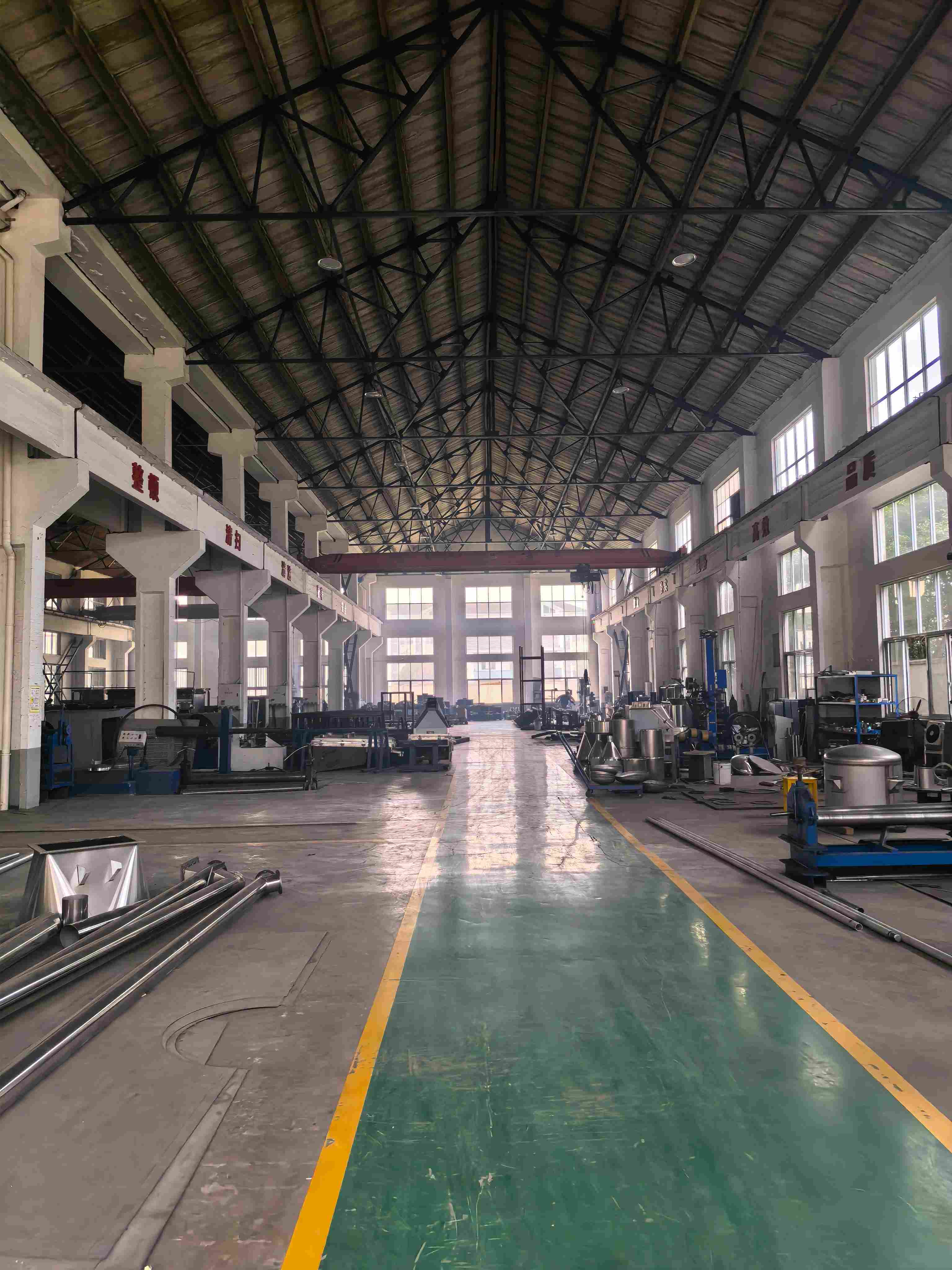
Embracing modular design isn't just about breaking down systems into smaller parts; it's about crafting those parts to snap together easily and adapt to changing demands. Think of it like building with high-quality, interlocking blocks—each module has a specific role, but it can also shift roles or combine with others when needed. This approach lets you swap out outdated components without tearing the whole setup apart, reducing downtime and keeping things running smoothly.
One key strategy is using standardized interfaces that act as universal connectors, allowing different modules from various sources to communicate seamlessly. For instance, a healthcare system might integrate patient monitoring modules with electronic records, all through a common protocol. This not only speeds up updates but also encourages innovation, as developers can focus on improving individual pieces rather than reworking the entire chain.
Another angle involves designing for scalability and redundancy, so modules can be added or removed on the fly to handle spikes in demand or failures. Imagine a smart city network where traffic sensors, energy grids, and communication hubs link up dynamically—if one area gets overloaded, others step in without a hitch. By prioritizing flexibility from the start, these strategies make systems more resilient and future-proof, turning complexity into a manageable asset.
Energy-Efficient Drive Technologies Reducing Operational Costs
In today's competitive industrial landscape, the push toward energy-efficient drive technologies isn't just about environmental stewardship—it's a strategic move to slash operational costs. By leveraging advanced motor systems, such as variable frequency drives (VFDs) and high-efficiency electric motors, businesses can significantly reduce energy consumption during partial-load operations. This translates directly into lower utility bills and a smaller carbon footprint, making it a win-win for both the bottom line and sustainability goals.
What sets these technologies apart is their ability to adapt in real-time to changing demands, minimizing energy waste without compromising performance. For instance, smart drives can adjust motor speed based on actual load requirements, eliminating the inefficiencies of constant-speed systems. This flexibility not only cuts electricity costs but also extends equipment lifespan, reducing maintenance expenses and downtime over time.
Beyond immediate savings, investing in energy-efficient drives opens doors to long-term financial benefits, such as eligibility for government incentives and enhanced market competitiveness. As industries worldwide prioritize cost reduction, adopting these innovations positions companies at the forefront of operational excellence, proving that cutting-edge technology can be both eco-friendly and economically savvy.
Precision Automation Controls for Optimized Material Flow
In today's fast-paced manufacturing and logistics environments, achieving seamless material movement isn't just about speed—it's about pinpoint accuracy. Precision automation controls serve as the brain behind the brawn, orchestrating every conveyor belt, robotic arm, and sorting mechanism to eliminate bottlenecks and reduce waste. By integrating sensors, programmable logic controllers (PLCs), and real-time data analytics, these systems can dynamically adjust to variations in product types, weights, and volumes, ensuring materials flow smoothly without interruption. This level of control not only boosts throughput but also minimizes errors like misrouted items or jams, which can grind operations to a halt.
What sets advanced precision controls apart is their ability to learn and adapt. Leveraging machine learning algorithms, these systems can predict potential disruptions before they occur, such as by analyzing equipment wear patterns or anticipating peak load times. For instance, in a distribution center, sensors might detect a slowdown in a particular section and automatically reroute packages through alternative paths, maintaining overall efficiency. This proactive approach goes beyond simple automation, transforming material flow into a responsive, self-optimizing process that slashes downtime and cuts operational costs.
Ultimately, the goal of precision automation controls is to create a harmony between human oversight and machine execution. Operators receive intuitive dashboards that highlight key performance metrics, enabling quick interventions when needed, while the system handles the routine with unwavering consistency. This synergy ensures that material flow isn't just optimized for today's demands but is scalable for future growth, making it a cornerstone for industries aiming to stay competitive in an era where every second and every resource counts.
Customized Fabrication Processes Tailored to Industrial Needs
In today's fast-paced industrial landscape, a one-size-fits-all approach to manufacturing often falls short of meeting the unique demands of diverse sectors. That's where customized fabrication processes come into play, serving as a game-changer for businesses that require precision, scalability, and adaptability. By tailoring these processes to specific industrial needs, companies can streamline operations, reduce waste, and enhance product quality.
Imagine a scenario where a client in the aerospace industry requires lightweight yet durable components that can withstand extreme conditions. Through a bespoke fabrication strategy, manufacturers might integrate advanced materials like composites or alloys and employ specialized techniques such as additive manufacturing or CNC machining. This not only ensures compliance with stringent regulatory standards but also accelerates production timelines, giving businesses a competitive edge in markets where innovation is paramount.
Ultimately, the success of these tailored processes hinges on a deep understanding of client goals and industry-specific challenges. By fostering close collaborations and leveraging cutting-edge technologies, fabrication experts can deliver solutions that are both efficient and sustainable, driving long-term growth and operational excellence across various industrial domains.
Robust Maintenance Solutions Prolonging Conveyor Lifespan
To keep conveyor systems running efficiently for years, dive into maintenance strategies that go beyond the basics. Start by inspecting belts, rollers, and motors regularly, catching wear before it causes breakdowns. Use diagnostic tools like vibration analysis or thermal imaging to spot hidden issues early, ensuring smooth operations and reducing costly downtime.
Customize maintenance plans around your specific conveyor setup and usage patterns. Implement predictive technologies that alert you to potential failures, allowing timely interventions. Train your team in proactive care techniques, such as proper alignment and lubrication, which prevent minor glitches from turning into major repairs.
Adopt a holistic approach by integrating maintenance data with operational insights. Schedule checks during low-activity periods to minimize disruption, and keep spare parts on hand for quick replacements. This methodical yet flexible routine not only extends conveyor life but also enhances overall productivity and safety in your facility.
FAQ
Steel and aluminum are widely used for structural components due to their strength and durability, while rubber, PVC, and polyurethane are common for belts and rollers, offering flexibility and resistance to wear and tear.
Modular designs allow for easy customization and scalability, enabling quick assembly, reconfiguration, or expansion of systems without extensive downtime, which boosts productivity and adapts to changing production needs.
Automation, such as robotic welding and CNC machining, increases precision and speed in manufacturing components, reduces human error, and ensures consistent quality, leading to more reliable and efficient systems.
Reducing weight lowers energy consumption during operation, minimizes wear on moving parts, and can decrease installation costs, making systems more cost-effective and environmentally friendly over time.
Coatings like zinc plating or polymer treatments protect against corrosion, abrasion, and chemical exposure, reducing maintenance needs and preventing premature failure in harsh industrial environments.
Using vibration-damping materials, precision alignment of rollers, and smooth belt surfaces can significantly reduce noise, improving workplace safety and compliance with regulations without sacrificing performance.
3D printing enables rapid prototyping of custom parts, such as brackets or guides, allowing for on-demand production, reduced waste, and the creation of complex geometries that traditional methods might not achieve efficiently.
Conclusion
The fabrication of efficient conveying systems in industrial settings encompasses several critical techniques that integrate material innovation and design flexibility. Innovative material selection focuses on durable, wear-resistant materials that enhance conveyor longevity and reduce maintenance needs. Advanced modular design strategies allow for flexible system integration, enabling customization to meet specific industrial requirements and facilitating easier expansion or reconfiguration. These approaches ensure that conveying systems can adapt to evolving operational demands while maintaining high performance and reliability.
Further advancements in fabrication techniques include energy-efficient drive technologies that lower operational costs by optimizing power consumption, alongside precision automation controls that streamline material flow for increased productivity. Customized fabrication processes are tailored to industrial needs, allowing for bespoke solutions that address unique challenges in various sectors. Robust maintenance solutions play a pivotal role in prolonging conveyor lifespan, incorporating predictive diagnostics and durable components to minimize downtime. Together, these techniques foster efficient, cost-effective, and adaptable conveying systems that support modern industrial operations.
Contact Us
Contact Person: Darye WANG
Email: [email protected]
Tel/WhatsApp: 86-13501017897
Website: https://www.fcntd.com/