
Flame Retardant Blinds Solution for Enhanced Home Safety
2026-09-19
Most homeowners check smoke alarms but overlook the window coverings that could feed a fire. Flame retardant blinds aren’t just a product upgrade—they’re a critical safety layer. In this post, we look at how ROLLERGY uses certified fire-resistant materials and modern design to give your home a safer, more stylish edge.
When Seconds Count: Blinds That Slow the Flames
During a house fire, curtains and blinds often act as a fast track for flames moving from windows into living spaces. Ordinary polyester or cotton fabrics can ignite within half a minute, releasing heat and smoke that quickly block escape routes. Flame-retardant blinds use chemically treated or inherently fire-resistant fibers to push that ignition point several minutes further down the line.
These blinds do more than simply refuse to burn easily. Their construction allows a charred, insulating layer to form under high heat, which shields the material underneath and cuts down on combustible gas release. Some designs also close automatically when temperatures rise, reducing oxygen flow and slowing the advance of fire from the window side into the room.
For anyone living in a high-rise or a home near dry vegetation, that delay matters enormously. The extra few minutes can be enough for a family to leave through a back door or for emergency crews to arrive. Even if the blinds eventually burn away, they have already done their most critical job — buying people valuable reaction time during the fire's fastest, deadliest opening phase.
The Fabric Choice That Buys You Escape Time
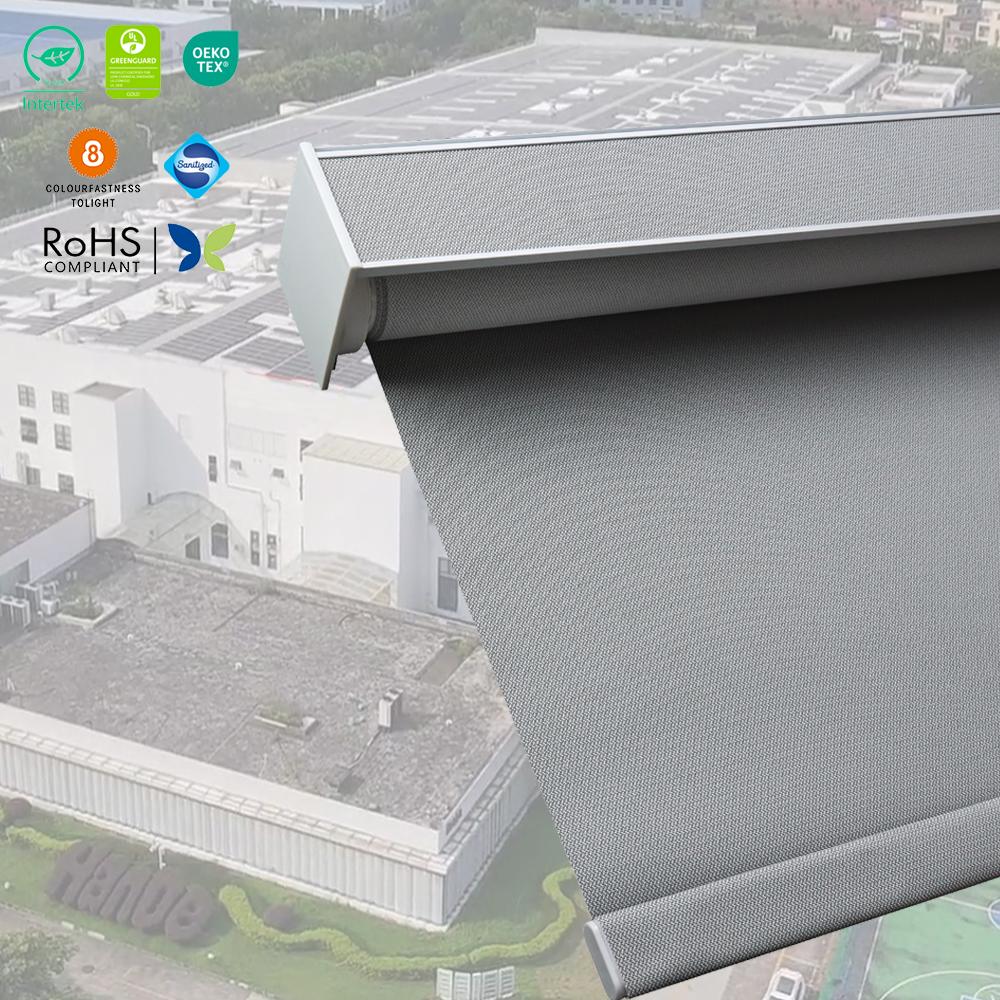
When a fire starts, every second counts. The right fabric doesn't just resist flames—it slows them down long enough for you to think, move, and get out. That delay is what we call escape time, and it's built into the weave itself.
Most people overlook how fabric behaves under heat. Synthetics can melt onto skin; lightweight cotton burns fast. But some materials are engineered to char instead of ignite, forming a protective barrier that holds back the spread. This isn't marketing—it's chemistry.
Choosing that fabric means choosing a margin of safety you can't see until you need it. It might look like any other textile on the shelf, but in the moments that matter, it refuses to feed the fire. That refusal is what buys you the time to escape.
Fire-Safe Blinds Don't Have to Look Industrial
When most people hear "fire-safe blinds," they picture heavy steel shutters or rigid metal slats that belong in a warehouse. That outdated image couldn't be further from what's actually available now. Modern fire-retardant window coverings come in soft fabrics, woven woods, and even sheer materials that drape elegantly while still meeting strict safety codes. You can have floor-to-ceiling linen-look panels or pleated shades in muted earth tones, and no one would ever guess they're designed to slow a blaze.
The real shift has been in how manufacturers treat fire-resistant fibers. Instead of applying a stiff, shiny coating that makes everything feel like plastic, they now embed flame-retardant properties directly into natural-looking yarns. That means a roller shade can mimic raw silk texture, a Roman blind can be made from a heavyweight cotton blend with a soft matte finish, and even bamboo-inspired materials can pass fire tests without turning brittle. Color choices have expanded too—think deep forest greens, warm terracottas, and dusty blues rather than just industrial gray or beige.
Beyond looks, the hardware has also gotten quieter and sleeker. Slim headrails, hidden cords, and motorized options let these blinds disappear into a room's architecture. You might choose a blackout honeycomb shade for a nursery or a light-filtering dual-layer blind for a sunroom, both with the same fire rating as their clunky predecessors. The point is that safety doesn't demand sacrifice. You can protect a space without making it feel like a bunker, and that matters whether you're outfitting a boutique hotel or your own living room.
Reading the Fine Print on Fire Ratings
A sticker that says “one-hour fire-rated” can create a false sense of security. That number usually comes from a controlled lab test of a complete assembly—not just the door or wall panel you’re buying. If the frame, hardware, or gap sealing doesn’t match the tested design, the rating can drop sharply. Before trusting that label, check whether the product alone carries the rating or if it only works within a specific, manufacturer-specified system.
Pay close attention to test standards too. ASTM E119 and ISO 834 both measure fire resistance, but their temperature curves differ enough to change results. A product rated under one may not perform the same under the other. Some marketing sheets highlight the most favorable test numbers while burying the conditions in a footnote. If the test report isn’t from an accredited third party, assume the claim needs verification.
Finally, look at real-world maintenance. Firestop materials and intumescent seals degrade if painted over, drilled through, or exposed to moisture. A wall that passed a test in a lab won’t hold up if cable installers leave unfilled penetrations. The fine print often mentions required inspection intervals or compatible sealants—details that matter more than the headline rating when a fire occurs.
A Room-by-Room Approach to Safer Windows
Windows shape how light moves through a home, but they also carry real risk—especially for young children and pets. Instead of tackling safety as a single house-wide project, think of it room by room. What works in a nursery won't necessarily suit a sunroom or a basement office. Start by walking your home with fresh eyes: note which windows are reachable from the floor, which ones sit above furniture, and which ones you actually open on a regular basis. Small shifts—like moving a crib away from a low sill or adding a simple stop to a window you rarely use—can make a bigger difference than a pile of generic gadgets.
In bedrooms, focus on nighttime habits. A window cracked for cool air is often exactly when a child climbs toward it. Consider window guards that release quickly for adults in an emergency but hold firm against a curious toddler. In kitchens and bathrooms, where windows are often narrow or placed high, check for cords and blind loops that can dangle into reach. And in playrooms or living areas, look for furniture arrangements that turn a windowsill into a step. Moving a sofa six inches away from the glass doesn't cost a thing, yet it removes the first foothold.
For windows you rarely open—like in a formal dining room or a hallway—a simple locking pin or a sash limiter can quietly remove the risk without changing the room's look. For windows you use daily, think about airflow versus access: a top-down opening style, or a guard that still allows a breeze, keeps the room comfortable while keeping bodies inside. The goal isn't to feel like you're living behind bars; it's to match each window's safety to how the room is actually used, one space at a time.
Swapping Out Risky Window Coverings This Weekend
If you still have corded blinds from the early 2000s or before, this weekend is a good window to get them down. The biggest culprits are horizontal blinds with long pull cords and vertical blinds with looped bead chains. They are easy to ignore until a child or pet gets tangled, and the risk isn't worth the few minutes you save by putting it off. Walk through each room, note every cord you can reach from the floor or a low bed, and mark those for removal first.
Replacing them doesn't have to mean a full renovation. Cordless cellular shades fit most standard windows and push up and down with a gentle hand. If you want more control over light, look for motorized roller shades with a remote or a wand tilt instead of a cord. Measure the inside width and height of the frame, buy a size slightly narrower than the opening, and most brackets snap in with a screwdriver. Put the old coverings in a box and drop them at a recycling center that takes metal and plastic blinds, or just bag them for the trash if no one will accept them.
FAQ
They slow down ignition and limit flame spread rather than acting as a barrier. The fabric is engineered to self-extinguish once the heat source is removed, giving you extra time to react and preventing a small flare-up from turning into a larger fire.
Common options include inherently fire-resistant fibers like modacrylic, polyester treated with safe flame-retardant chemicals, or blends with fiberglass. Many modern designs use these materials without sacrificing texture or color depth, so you can still get a warm, fabric-like look.
Yes, they are especially useful in kitchens, utility rooms, or any window close to a heat source. The added resistance helps reduce the chance of curtains or blinds catching a stray spark from cooking or an open flame, though they should never be used as a substitute for proper fire safety practices.
It depends on the type. Inherently flame-resistant fabrics keep their properties for the life of the blind, while chemically treated fabrics may lose some effectiveness after repeated washing. Always check the care label; many are designed for spot cleaning or gentle laundering without compromising safety.
Absolutely. You can find them as Roman blinds, pleated shades, vertical blinds, and even motorized options. Manufacturers now offer a wide range of colors, patterns, and opacity levels, so you don't have to settle for a clinical or industrial look.
Most models use the same brackets and installation steps as regular blinds, so a DIY installation with basic tools is usually fine. The only difference is weight—some fire-resistant fabrics are slightly heavier, so you may want to use the provided anchors on drywall.
Look for compliance with standards like NFPA 701, M1, B1, or BS 5867, depending on your region. These test methods measure flame spread and afterglow. A reputable supplier will list the relevant certification on the product page or packaging.
Regular dusting with a soft brush or vacuum attachment is usually enough. For stains, use a damp cloth with mild soap and avoid soaking the fabric. If the blinds are machine washable, follow the manufacturer's temperature and detergent limits, and never use bleach or fabric softeners, as these can break down the flame-retardant finish.
Conclusion
When a home fire starts, every second shapes the outcome; the right window coverings can create a critical delay instead of feeding the flames. Flame retardant blinds act as a quiet line of defense, slowing ignition and limiting the vertical spread that turns a small mishap into a room fully involved. The difference often comes down to fabric: tightly woven, inherently fire-resistant materials buy occupants extra escape time by resisting ignition and reducing toxic smoke. But safety does not require a cold, institutional look. Modern fire-safe blinds come in soft textures, wood-look finishes, and layered weaves that sit naturally in bedrooms, living rooms, and kitchens. The key is to look past marketing claims and read the fine print on fire ratings, checking for recognized test methods and certification marks rather than vague terms like "flame resistant" alone.
A practical upgrade starts room by room. Kitchens and home offices, where heat sources and electronics cluster, call for blinds with higher ignition resistance. Bedrooms and stairwells benefit most from slower flame spread because they protect escape routes. Hallways and large windows can use motorized or cordless designs that remove additional hazards while keeping the flame-retardant layer intact. Swapping out risky window coverings does not have to be a major project; many families can replace the worst offenders in a single weekend. Focus first on older synthetic curtains or unrated roller shades near stoves, portable heaters, or overloaded outlets. By pairing rated fabrics with simple hardware changes, homeowners gain a meaningful margin of safety without sacrificing style. The result is a quieter, more prepared home where windows do their part in slowing fire and giving everyone a better chance to get out.
Contact Us
Contact Person: Vivien Cheng
Email: [email protected]
Tel/WhatsApp: +86 13751758835
Website: https://www.rollergytech.com/