
Foldable Water Bottle Manufacturer Selection Tips for Reliable Bulk Orders
2026-11-23
Ordering foldable water bottles in bulk sounds simple until you start comparing factories. One sends vague specs, another goes quiet after the sample, and suddenly your timeline is at risk. Reliable bulk orders don't happen by chance—they come from knowing what to ask and which manufacturer can actually deliver. Qunhao has built its reputation on consistent folding-bottle production and clearer communication, but even with a trusted name, the selection process still needs the right checklist. Here are the practical factors that separate dependable partners from costly delays.
Factory Floor Evidence Beats a Polished Sample Reel
A slick demo reel can hide weak welds, slow changeovers, and a line that only runs cleanly when the cameras are rolling. Buyers who have been burned before know the difference between staged b-roll and the unvarnished sound of a stamping press hitting its rhythm. A short clip from the actual floor, even with bad lighting and a forklift crossing the frame, answers the question that glossy footage never does: is this operation real, and is it running today?
That kind of evidence doesn't need a script. Let a phone camera follow a batch from incoming material to final inspection, or show the workstation where a recurring defect was caught and fixed. Raw footage carries small, telling details—safety markings on the floor, jigs worn at the edges, operators reaching for tools without looking. Those details do more than reassure; they give a buyer something to ask about on the next call.
A polished sample reel still has its place, but it shouldn't sit at the center of the conversation. When factory floor evidence leads, the discussion shifts from sales promises to production reality. That is where trust gets built, often before a single specification sheet changes hands.
What Repeated Folding Does to Silicone Seams Over Time
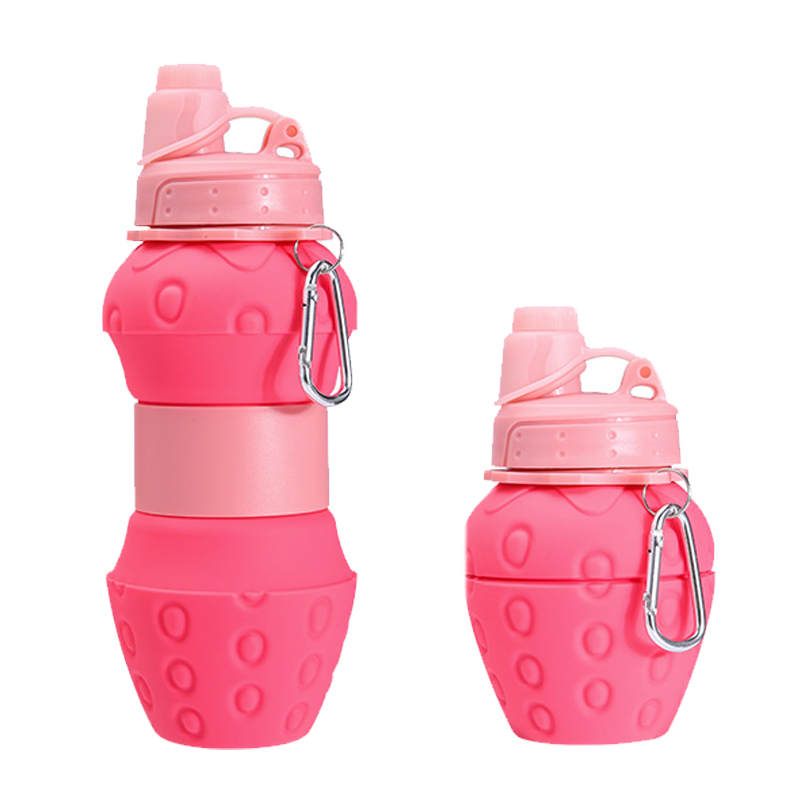
Fresh silicone seams tend to shrug off bending without much complaint, but folding the same line over and over slowly changes the material at a structural level. The polymer network near the crease starts to develop tiny stress points that first show up as a dulling of the surface. Before long, fine micro-cracks appear along the fold. They are easy to miss at a glance, yet they quietly trap moisture, dust, and oil from everyday handling.
As the folding continues, those small cracks spread and connect, especially where the seam takes the most pressure at its base or along the outer edge. The silicone begins to lose its snap, so the crease no longer springs back completely. A permanent groove sets in, and the material may turn slightly whitish or translucent along that line because the micro-cracks scatter light instead of letting it pass cleanly through.
With enough repeated stress, a seam can start to delaminate or even split, though the surrounding silicone still feels soft and intact. Waterproofing usually fails before any dramatic tear appears, since the fold creates tiny channels that let moisture work its way through. Checking the crease for a tacky feel, small debris, or a cloudy band is often the earliest sign that the seam has begun to break down.
Leak-Proof Claims Are Only as Good as Their Test Logs
A bold leak-proof promise means very little without the records behind it. The test log is where the claim either holds up or falls apart, because it shows whether seals were checked under a single convenient condition or pushed through changing temperatures, angles, and pressure levels. A dated, item-level log makes the difference between a slogan and an actual performance history.
Detailed logs often expose exactly what polished brochures leave out: a batch that needed rework before passing, a material substitution halfway through production, or a cycle test that was shortened when time ran short. When anomalies appear alongside the follow-up actions taken, the leak-proof label stops sounding like a guarantee and starts reading like an honest record.
The practical test is to request the raw log rather than a summary. A credible file names the equipment, the operator, the ambient conditions, and the pass/fail limit at every stage. If those specifics are missing, the claim has not yet been proven—it has only been repeated.
Bulk Pricing Should Not Hide Capacity Gaps
A lower per-unit rate on a large order feels like a win until the supplier quietly stretches lead times, subcontracts unfamiliar workshops, or ships incomplete batches. The discount becomes a distraction from the real constraint: how much volume can actually be produced without breaking the process.
Capacity gaps rarely show up in a quote. They appear later as missed deadlines, uneven quality, or sudden requests to split shipments. When bulk pricing is used to push buyers toward larger commitments, it should come with clear visibility into current backlog, production line availability, and raw material lead times. Otherwise the price is just a number disconnected from the ability to deliver.
A better approach is to tie tiered pricing to confirmed capacity windows, not only to quantity. If a supplier cannot say when the extra volume will be made, the lower price is not a saving; it is a risk with a discount attached.
How a Manufacturer Handles Defects Tells You More Than the Quote
A quote only tells you what a factory hopes to charge when everything goes smoothly. The real test comes weeks later, when a batch arrives with scratched housings or a shifted tolerance. Some manufacturers respond within hours, ask for photos, and start sorting the problem before you have finished writing the email. Others go quiet, wait for you to prove the defect is theirs, and then offer a discount on the next order as if that fixes the units already sitting in your warehouse.
Defects are not the exception in production; they are part of the process. What separates a dependable partner from a transactional vendor is whether the manufacturer tracks the root cause or just patches the visible symptom. A good shop will tell you which cavity in the mold caused the flash, which shift ran the bad batch, and what they changed to keep it from repeating. That kind of detail cannot be faked and rarely shows up in a quotation.
Cost also matters, but not in the way buyers usually think. A lower quote can become expensive if every quality issue turns into a week of emails, return freight, and idle assembly time. A slightly higher quote from a company that admits mistakes early, replaces defective parts without arguing, and documents corrective actions often ends up cheaper once the full order is delivered. Over time, you learn to read the defect response as the clearest signal of how the relationship will actually work.
Past Buyers’ Delivery Complaints Reveal the Real Lead Times
When you dig through older order threads and complaint notes, the pattern becomes hard to ignore. Buyers rarely mention the quoted lead time when something arrives late. They mention the actual wait, and those numbers often run two to three weeks past what the original listing promised.
Several recurring complaints point to the same bottleneck: small-batch production doesn't begin until a minimum order count is reached. That means the clock on a posted lead time is not really running when the payment clears. It starts days or even weeks later, once enough orders have piled up to justify a production run.
There are also plenty of cases where the factory shipped on schedule but the forwarder held the cargo for consolidation. In those situations, buyers only see the gap between the promised date and the final doorstep delivery. Reading those past complaints closely gives a much more honest picture of how long the process actually takes—and which stages tend to slip first.
FAQ
Dependable suppliers usually volunteer details about their leak testing and material sourcing. Ask how many times they fold-test a design, what happens to units that fail inspection, and whether they keep production records for each batch. A clear, specific answer beats a generic 'we guarantee quality' every time.
For food-contact safety, look for FDA and LFGB depending on your market, plus REACH if you sell in the EU. Also ask for test reports on BPA, phthalates, and heavy metals for the exact material grade, not just a similar product line.
Many factories quote 500 to 2,000 units for custom colors and logo work, but smaller runs are sometimes possible if you accept stock colors or pay a higher per-unit price. Clarify whether the MOQ applies per color, per size, or per total order before signing.
Lock the production start date in the contract and add a penalty or discount clause for late shipment. Keep about two to three weeks of buffer around major holidays, and confirm that all raw materials are already in stock before you send the deposit.
Fold and unfold the bottle at least 50 times, fill it with hot and cold water, freeze it once, drop it while full, and let it sit with water overnight to check for plastic or rubber taste. Also test the cap seal by squeezing the bottle hard.
Logo placement on curved or flexible surfaces often comes out distorted if the artwork was designed for a flat panel. Check that your print area is measured on the expanded bottle, and ask for a physical pre-production sample with the actual logo size and color on the final material.
A direct factory usually gives you better control over materials and lower unit costs on larger volumes. A trading company can be useful for mixed orders or lower quantities, but make sure they have direct contact with the plant and can provide batch-level inspection reports.
Request a recent third-party audit report, ask for two or three clients in your region who ordered similar items, and place a small paid trial order first. If the factory pushes for full payment before any samples or audit access, treat that as a red flag.
Conclusion
Choosing a foldable water bottle supplier for bulk orders rarely comes down to the shiniest catalog. A factory floor visit or a live video walkthrough reveals far more than any polished sample reel: watch how raw silicone is stored, whether assembly stations stay organized, and whether workers follow the same sequence shown in the demo. Seam durability deserves equal scrutiny. Repeated folding concentrates stress near the hinge and base, so ask to see units that have already been cycled hundreds of times rather than fresh pieces from the mold. If a supplier cannot show worn samples or explain how they reinforce high-flex zones, treat that as a warning.
Leak-proof claims carry little weight without dated test logs covering temperature swings, drop impact, and cap torque. A low per-unit price can also hide narrower mouths, thinner walls, or filled-volume shortfalls against the spec sheet, so confirm actual capacity and gram weight before agreeing to terms. How a manufacturer handles defects often tells you more than the quote: a supplier that replaces faulty pieces quickly and shares root-cause notes is worth more than one offering a slightly cheaper rate. Finally, check past buyers' delivery complaints. Late shipments, partial dispatches, and sloppy packaging tend to surface in reviews long before they appear in a contract.
Contact Us
Contact Person: Cecilia
Email: [email protected]
Tel/WhatsApp: 8619057488653
Website: https://silwatbottle.com