
Food Van Supplier Guide: Essential Tips for Your Mobile Catering Business
2026-04-07
Are you ready to take your mobile catering business to new heights? Navigating the fast-paced world of food vans requires more than just a passion for cooking—it demands strategic planning, savvy operations, and insider knowledge. This guide is packed with essential tips to help you succeed, from sourcing the best equipment to mastering customer service on the go. Discover how Oriental Shimao can elevate your venture with innovative solutions tailored for today's dynamic food truck industry. Let's dive in and unlock the secrets to thriving in this exciting culinary landscape!
Choose the Right Food Van for Your Culinary Vision
Finding the perfect food van is like choosing a canvas for your culinary masterpiece—it needs to fit your style, functionality, and budget. Start by envisioning the dishes you'll serve; a burger truck might require a built-in grill and ample fryer space, while an artisanal coffee van demands compact espresso equipment and storage for beans. Consider your mobility needs too—do you plan to park at urban corners or travel to festivals? Measure your space for workflow efficiency, ensuring there's room for prep, cooking, and customer service without feeling cramped.
Beyond the basics, think about customization options that set you apart. Many new entrants overlook branding elements, but a van's exterior can become your biggest advertisement. Opt for durable materials and eye-catching designs that reflect your brand's vibe, whether it's rustic wood panels for a farm-to-table feel or sleek metallic finishes for modern fusion cuisine. Don't forget practical upgrades like solar panels for off-grid power or advanced refrigeration to keep ingredients fresh longer, which can give you an edge in competitive markets.
Budgeting wisely is crucial—it's easy to overspend on flashy features that don't pay off. Prioritize essentials first, like reliable plumbing and ventilation systems, then allocate funds for extras that enhance customer experience, such as a user-friendly ordering window or eco-friendly packaging stations. Research different suppliers and read reviews from other food truck owners to avoid common pitfalls. By balancing cost with quality, you'll secure a van that not only supports your menu but grows with your business ambitions.
Navigate Permits and Licenses for Smooth Operations
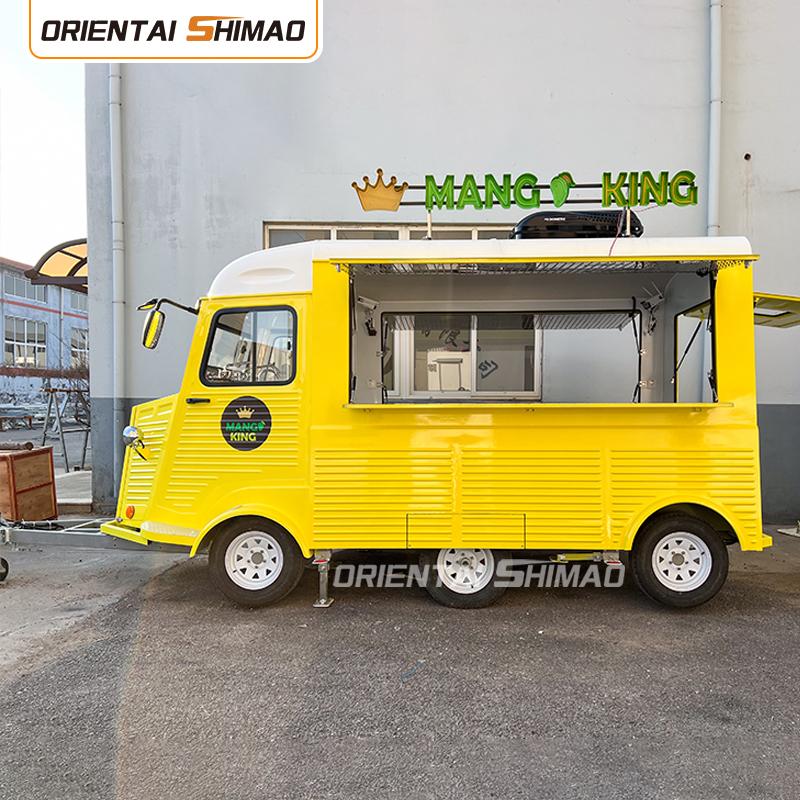
Getting the right permits and licenses in order can feel like a maze, but it’s a crucial step to keep your business running smoothly. Instead of viewing it as a tedious chore, think of it as a way to safeguard your operations from unexpected hiccups. By staying on top of local regulations and industry-specific requirements, you can avoid fines, delays, or even shutdowns that might disrupt your day-to-day activities. It’s about more than just paperwork—it’s building a foundation of trust and legality that lets you focus on what you do best.
To make this process less overwhelming, start by mapping out exactly what you need based on your location and business type. Tools like government websites or industry associations can be helpful, but don’t hesitate to reach out directly to regulatory agencies for clarity—sometimes a quick call can save you weeks of guesswork. Keep a checklist and set reminders for renewal dates, as letting a permit expire can lead to costly interruptions. Taking a proactive approach here not only ensures compliance but also gives you peace of mind, knowing you’re covered no matter what comes your way.
In a competitive landscape, businesses that handle permits efficiently often gain an edge by launching faster and adapting to changes with agility. Consider integrating permit management into your regular operations, perhaps assigning a team member to oversee it or using digital tools to track submissions and approvals. This isn’t just about avoiding trouble; it’s about creating a seamless flow that supports growth and innovation. By navigating these requirements thoughtfully, you turn potential obstacles into opportunities to demonstrate reliability and professionalism to clients and partners alike.
Menu Planning That Draws Crowds and Boosts Sales
Imagine walking into a restaurant where the menu doesn't just list dishes—it tells a story. That's the power of strategic menu planning, a game-changer for any food establishment. When you craft a menu with intention, you're not merely offering food; you're creating an experience that resonates with customers. Think about incorporating seasonal ingredients to keep things fresh and exciting, or highlighting signature items that become the talk of the town. By focusing on what truly delights your patrons, you can turn casual diners into loyal fans who keep coming back for more.
A well-designed menu does more than showcase your culinary skills—it drives profitability in subtle yet effective ways. Consider how placing high-margin items in prime spots can encourage orders without being pushy, or how offering curated combos that pair perfectly together can increase average spending per table. It's about guiding customers through a journey where every choice feels rewarding, leading to higher sales and a bustling atmosphere. When your menu is both enticing and smartly structured, it naturally boosts your bottom line while keeping guests happy.
To stand out in a crowded market, infuse your menu with unique touches that reflect your brand's personality. Maybe it's a playful twist on classic dishes, or a focus on locally sourced ingredients that support your community. By staying adaptable and listening to feedback, you can tweak offerings to match evolving tastes, ensuring your menu remains relevant and alluring. This dynamic approach not only draws crowds eager for something new but also builds a reputation that keeps your sales thriving season after season.
Essential Equipment to Keep Your Kitchen Running Efficiently
Keeping your kitchen efficient isn't just about fancy gadgets; it starts with the basics that make everyday cooking smoother. A sharp chef's knife is the real workhorse—dull blades slow you down and can be dangerous, so investing in one you can maintain easily is key. Pair it with a sturdy cutting board that doesn't slip around, and you'll chop veggies or prep meat without the hassle. Don't overlook a reliable set of mixing bowls: they're perfect for everything from tossing salads to marinating, helping you stay organized as you move through recipes.
Beyond cutting and mixing, efficient kitchens rely on tools that handle heat well. A heavy-bottomed skillet or saucepan distributes heat evenly, preventing those annoying burnt spots while cooking stews or frying eggs. It's a small upgrade that pays off in consistent results and less time spent stirring. Add a versatile baking sheet or roasting pan to the mix—these aren't just for cookies; they're great for roasting veggies, toasting nuts, or even reheating leftovers quickly. With these pieces, you can multitask on the stovetop and in the oven without juggling too many dishes.
Storage and prep tools round out the essentials by cutting down on clutter and mess. A set of airtight containers keeps ingredients fresh and visible, so you're not digging through cabinets mid-recipe. For quick cleanup, keep a good colander handy for draining pasta or rinsing produce, along with a few quality kitchen towels for wiping spills as you go. These simple items help you maintain a tidy workspace, making it easier to focus on cooking rather than cleaning up afterward.
Strategies for Finding and Securing Profitable Locations
One effective approach is to analyze local foot traffic and demographic data in detail, rather than just relying on general trends. For instance, visiting a potential area at different times of day to observe real-world activity patterns can reveal hidden opportunities, such as a quiet morning spot that transforms into a bustling hub by evening. This hands-on method helps pinpoint locations where demand might outpace current supply, offering a competitive edge without the need for complex algorithms or broad market reports.
Another key tactic involves building relationships with property owners and local business networks early on, which can lead to exclusive deals or insights not available through standard listings. By attending community events or engaging directly with landlords, you might secure favorable lease terms or discover upcoming developments before they're widely advertised. This personal touch not only reduces competition but also fosters trust, making it easier to negotiate terms that align with long-term profitability goals, all while avoiding reliance on impersonal online platforms.
To further enhance your strategy, consider integrating niche factors like zoning regulations or seasonal fluctuations that others might overlook. For example, a location near a college campus could thrive during the academic year but require adjustments for summer months, so planning for flexibility in your lease or business model can mitigate risks. This nuanced focus allows you to adapt quickly to changes and capitalize on unique advantages, ensuring a more resilient and profitable setup compared to cookie-cutter approaches.
Marketing Tricks to Build a Loyal Customer Base
Building a loyal customer base goes beyond just offering a good product; it's about creating an experience that keeps people coming back. Consider the power of surprise and delight. Sending a handwritten thank-you note or offering a small, unexpected freebie with an order can leave a lasting impression, making customers feel valued and appreciated in a way automated emails often can't. This personal touch fosters a sense of connection, turning casual buyers into enthusiastic advocates who are more likely to stick with your brand in the long run.
Another effective trick is to create exclusive communities or members-only groups where customers can interact directly with your brand and each other. By hosting Q&A sessions, sharing behind-the-scenes content, or offering early access to new products, you're not just selling—you're building a tribe. This sense of belonging and insider access can deepen emotional attachment, transforming transactions into relationships and encouraging repeat business through a shared passion rather than just promotions.
Leverage storytelling to make your brand memorable and relatable. Instead of just listing features, share the journey behind your products, highlight customer success stories, or discuss the values that drive your company. When customers connect with your narrative, they're more likely to develop loyalty based on shared beliefs and emotional resonance. This approach helps your brand stand out in a crowded market, not as another option, but as a meaningful part of their lives.
FAQ
Focus on reliability, cost-effectiveness, and after-sales support to ensure smooth operations and avoid downtime in your business.
Work closely with the supplier to design layouts that optimize workflow and incorporate branding elements like colors and logos for a unique look.
Regularly check engine, refrigeration, and cooking equipment; schedule professional servicing to prevent breakdowns and extend the van's lifespan.
Yes, ensure compliance with local health codes, vehicle safety standards, and permits for mobile food vending to avoid fines or shutdowns.
Use modular shelving, vertical storage solutions, and multi-functional equipment to make the most of limited space without sacrificing functionality.
Inspect materials, read reviews, ask for warranties, and if possible, test the equipment in person to gauge its performance and sturdiness.
Compare multiple quotes, ask for package discounts, and build long-term relationships to leverage better pricing and additional services.
Conclusion
Launching a successful mobile catering business starts with carefully aligning your food van choice with your culinary vision. Whether opting for a compact trailer or a fully-equipped truck, selecting the right vehicle ensures functionality and style. Coupled with strategic menu planning—focusing on crowd-pleasing, profitable items—this foundational step sets the stage for attracting customers. Meanwhile, navigating the essential permits and licenses early on prevents legal headaches, allowing smooth operations from day one.
To keep your venture thriving, invest in efficient kitchen equipment that streamlines cooking and minimizes downtime. Finding profitable locations involves scouting high-traffic areas and securing spots that maximize visibility and sales. Complement this with effective marketing tricks, such as social media engagement and loyalty programs, to build a dedicated customer base. By integrating these aspects—from equipment and locations to marketing—your food van can stand out, ensuring sustained growth in the competitive mobile catering industry.
Contact Us
Contact Person: Jack Wang
Email: [email protected]
Tel/WhatsApp: 8618306483516
Website: https://www.orientalshimaofoodtruck.com