
Gearless CI Flexo Press Exporter Evaluation Guide for Flexible Packaging Printers Seeking Precision and Efficiency
2026-11-18
Flexible packaging printers chasing tighter registration, cleaner solids, and faster changeovers often hit the same wall: conventional gear-driven presses simply run out of adjustment. This guide cuts through supplier claims and focuses on what actually matters when evaluating a gearless CI flexo press exporter. From mandrel design and impression control to real-world waste rates, we look at the details that determine whether a machine can hold precision under speed. Along the way, we highlight how HuiPeng approaches these engineering challenges, giving you a sharper benchmark before you commit.
Where Gearless Architecture Actually Pays Off
Gearless systems earn their keep in buildings where traffic is heavy and the ride quality is under constant scrutiny. Hospitals, high-end residential towers, and premium office buildings all benefit because the absence of a gearbox removes a major source of vibration and mechanical whine. Passengers notice the difference immediately, but so do maintenance teams, since fewer rotating components means fewer lubrication points and less routine wear to chase.
The efficiency argument becomes sharper as elevators and lifts move toward higher speeds and taller rises. Gearless motors handle rapid acceleration and deceleration with better control, and they avoid the heat and friction losses that geared designs struggle with at those duty cycles. In a high-rise that runs non-stop, the energy and service savings quietly compound into a meaningful operating margin.
There are still cases where a geared setup makes more sense, especially when loads are modest or the budget is tight. But once a project crosses into continuous operation, demanding travel patterns, or expectations for near-silent movement, the gearless option stops being a premium upgrade and starts looking like the rational default.
Reading the Mechanical Core Before You Trust the Spec Sheet
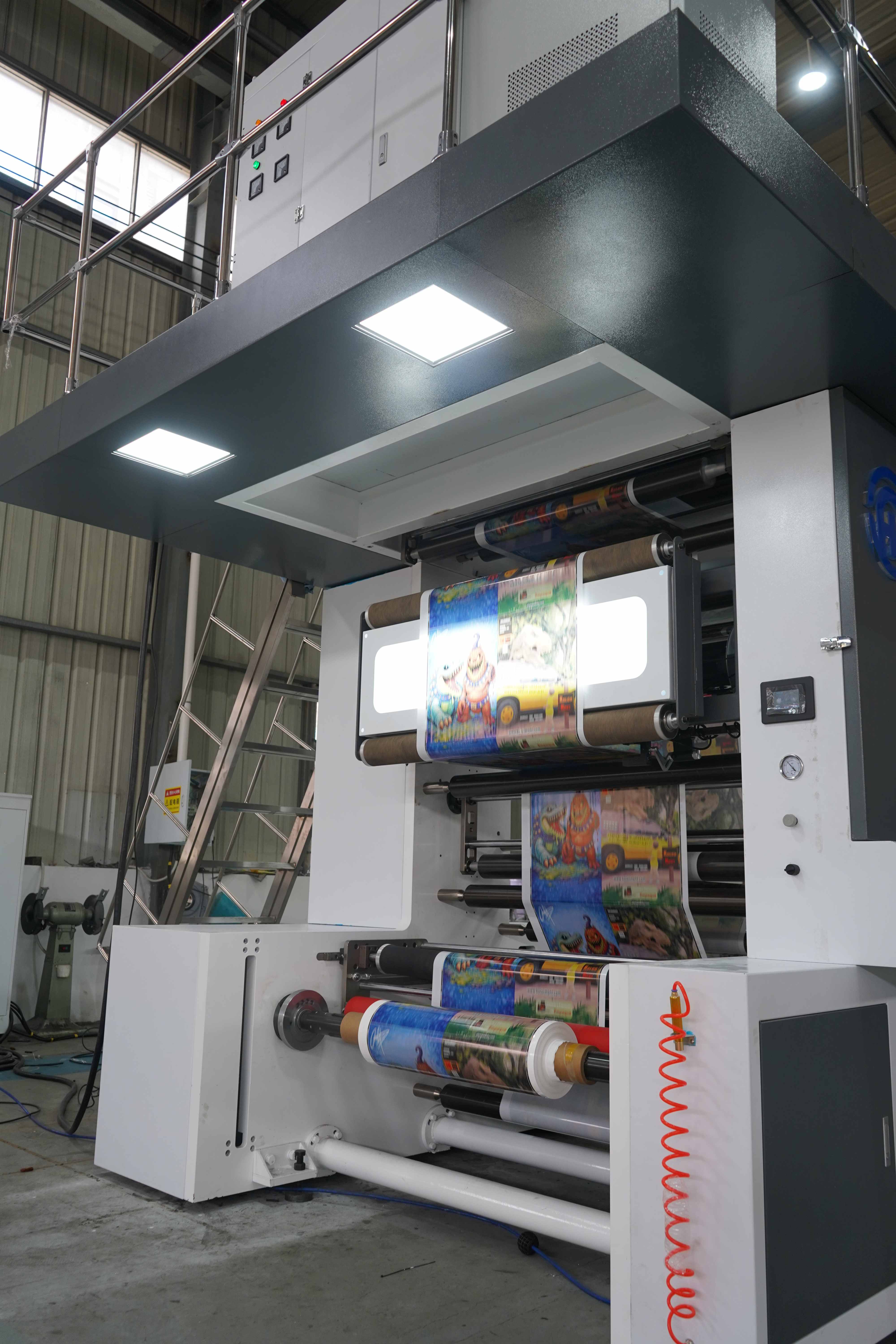
A spec sheet has a way of making everything sound settled. Torque, speed, rated load, efficiency... those numbers describe what a machine should do under clean conditions, but they rarely reveal how the parts actually share load or what happens after a few thousand cycles. The mechanical core is where the truth lives: bearing preload, spline engagement, gear contact pattern, the way a housing keeps shafts aligned when temperature climbs. Two components can carry the same printed rating, yet one will develop play early because the tolerances were stacked differently, the lubrication path was poorly routed, or the material was treated just enough to pass inspection.
When you open a unit up, the first thing worth studying is not obvious damage but the evenness of wear. A contact pattern that drifts toward a gear tooth's edge says more about housing deflection than any datasheet ever will. Look at where the lubricant actually reaches the rolling elements, whether the retainer is being loaded at its weakest section, and how the seals have been coping with real misalignment. These details never make it onto a brochure, but they decide whether a stated efficiency holds for a month or for years.
Before you trust the spec sheet, read the mechanical core. Treat every printed figure as a starting point, not a conclusion. If you cannot inspect a cutaway or a failed unit, ask about bearing precision grades, gear crowning, and key fit tolerances instead of requesting a shinier PDF. Real performance is never printed; it gets worn into the contact surfaces one cycle at a time.
Fast Changeovers and the Profit They Quietly Protect
Few metrics on the plant floor carry as much hidden leverage as changeover time. A line that takes forty minutes to switch between SKUs isn't just losing forty minutes of production; it's surrendering flexibility, delaying shipments, and forcing planners to batch larger runs than customers actually want. The profit impact rarely shows up as a single line item, which is why it gets overlooked. It hides in overtime premiums, expedited freight, inflated inventory carrying costs, and the margin erosion that comes from turning away smaller, higher-value orders simply because the setup makes them unprofitable.
The quiet part is that fast changeovers don't just reduce downtime, they shift the entire economics of scheduling. When a line can switch in under ten minutes, the minimum viable batch size drops dramatically. That means less finished goods sitting in warehouses waiting for a forecast that will inevitably be wrong. It means the plant can respond to a real order rather than a projection. The profit protection comes from avoiding markdowns on obsolete stock, reducing working capital trapped in safety stock, and capturing revenue from customers who need shorter lead times and are willing to pay a premium for reliability.
What makes this advantage durable is that it's built on discipline, not capital. A well-executed SMED program or quick-change initiative rewires how operators think about internal versus external tasks, standardizes clamping and locating methods, and eliminates the adjustments that eat time without adding value. Competitors can copy a machine spec, but they can't copy the daily habits, tooling design, and cross-shift communication that keep changeover times low. Those quiet habits protect profit in ways that never appear on a balance sheet but show up unmistakably in on-time delivery, inventory turns, and the ability to say yes to business others walk away from.
Precision Checks That Expose Weak Press Engineering
A press can look solid on the floor and still produce scrap the moment tooling reaches operating speed. The first clue is often uneven burr height, galling on one side of a die, or punch points snapping without an obvious cause. Instead of reaching for a die grinder, check ram-to-bolster parallelism under load. Mount a dial indicator at each corner of the slide, cycle the press with a test block in place, and compare the readings. The pattern usually tells you more about the machine than any catalog rating ever will.
Deflection checks are just as revealing. With the press under a known load, measure movement across the bed and slide. Weak crowns, undersized tie rods, or worn gibs allow the tooling to open slightly along one edge, which changes clearances and shortens punch life. When those readings drift beyond the builder's tolerance, no amount of die tuning will bring the process back into control.
Dynamic behavior matters more than static stiffness. Run the press at normal stroking speed and watch the tonnage monitors for spikes or side-to-side imbalance. A machine that appears rigid while stopped can flex enough at speed to create snap-through vibration, loose fasteners, and cracked tooling. Those small, repeatable distortions are the real signature of weak press engineering.
The Total Cost Conversation Your Exporter Should Welcome
A reliable exporter doesn’t shy away when you bring up the full landed cost. Instead, they walk you through freight, duties, customs brokerage, port fees, and even the less obvious charges like quarantine inspections or demurrage. That level of transparency rarely shows up in a glossy brochure, but it separates a transactional supplier from one who treats your margins as seriously as their own.
The conversation itself reveals how your exporter thinks. Do they volunteer the variables that could shift between quote and delivery? Can they explain why one shipping route costs more but cuts three days off your restock cycle? When these details surface without pressure, you’re not just buying product—you’re working with someone who understands that hidden costs erode trust faster than a late shipment.
Welcoming the total cost talk also means revisiting it as conditions change. Freight rates move, fuel surcharges come and go, and exchange rates quietly reshape your unit economics. An exporter who checks in with updated breakdowns, rather than waiting for you to ask, gives you the room to plan purchases with confidence instead of guessing where the next surprise might land.
After the Ink Dries, Support Parts and Response Time
Once a piece is finished and the bandage goes on, the client's memory of the session often hinges on how the equipment behaved that day. Support after the ink dries never really ends with the tattoo itself. It shows up later, when a grip loosens, a power supply flickers, or a needle bar starts rattling at the worst possible moment. Having a clear path to replacement parts keeps a workstation from turning a small fix into a cancelled appointment.
What separates decent support from the kind artists actually talk about is whether the replacement parts match the machine they're going into. Generic off-brand options can get a station running, but subtle differences in stroke or weight change how a healed piece settles. Stocking original components and keeping a small in-shop reserve means most mid-session issues get solved within minutes, not days spent waiting on a shipping notification.
Response time matters most when the problem isn't obvious. A quick diagnosis over a call or video can be the difference between a ten-minute adjustment and boxing up the whole unit. That kind of support tends to feel less like a helpdesk and more like talking to someone who has had ink under their nails.
FAQ
A press built around direct servo drives on each print deck rather than a mechanical gear train removes cumulative backlash and allows cleaner registration control. The real difference shows up in the central impression drum temperature stability, the dynamic tension control before and after the drum, and how repeatable the deck positioning is during sleeve changes and re-engagement.
Focus on the CI drum runout and temperature control, individual servo performance, automatic pre-register and register control, web tension zoning, and the speed at which sleeves and anilox rolls can be changed without losing registration. The control interface should let operators fine-tune impression and register offsets quickly, because that is where daily waste is created or avoided.
Small registration drift forces operators to slow down, sample more often, and strip out reject material. On film substrates, even a few microns of variation can make a job look out of register. A press that holds tight registration through speed changes and splices means fewer stops, less setup scrap, and far more usable output per shift.
Ask where the technical support team is based, whether remote diagnostics are standard, and how quickly critical drive and control components can be shipped to your location. Also check if the exporter maintains regional service hubs, provides clear documentation, and has a track record with installations in similar flexible packaging environments.
Request documented trials on the actual film structures you run, including thin extensible films and high-friction substrates. Look at density stability, dot gain behavior, and registration at low and high speeds. A credible exporter will provide test reports or reference sites where you can see long-run consistency rather than only a short demonstration.
Because job changeover speed and repeatability depend on how easily operators can load sleeves, set anilox pressure, and return to print. A well-designed pneumatic or mechanical clamping system with clear positioning reduces damage risk and setup errors. If sleeve handling is awkward, the advantage of gearless precision is partly lost in daily inefficiency.
Measure energy consumption per square meter, expected sleeve and anilox life, consumable costs, maintenance intervals, and typical waste rates during setup and splices. Also factor in how quickly the press reaches saleable color after a job change. A lower initial price means little if the machine spends more time producing film that cannot be shipped.
Conclusion
A gearless CI flexo press only earns its place when the printer's mix demands repeat jobs with tight register, short runs, or frequent plate changes. The real payoff shows up in reduced gear marking, smoother ramp-up after splices, and fewer mechanical variables to chase when color drift appears. Before accepting any spec sheet, a buyer should look past servo counts and maximum speed claims: inspect frame construction, bearing arrangements, mandrel locking, and the way impression rollers are loaded. Weak engineering often hides in these areas, so a plant visit or a detailed video walkthrough of a running press at full speed reveals more than a polished brochure. If the exporter avoids these questions, that reluctance is itself a finding.
Changeover speed deserves close attention because it quietly protects margin on small orders and rush work. Watch how long it takes to swap sleeves, wash the chambered doctor blade system, and move from one job to another without waste or contamination. Precision checks should include print-to-print register under acceleration and deceleration, not just steady-state samples, and should cover tension control across a range of substrates. The total cost conversation needs to account for energy draw, spare roll inventory, service travel, and upgrade paths, not just the purchase price. After installation, the exporter's parts availability and response time matter more than the warranty wording; ask for a named support contact, typical lead times for wear items, and remote diagnostic capability before signing.
Contact Us
Contact Person: Isaias
Email: [email protected]
Tel/WhatsApp: 86-13868693129
Website: https://www.hpflexo.com/