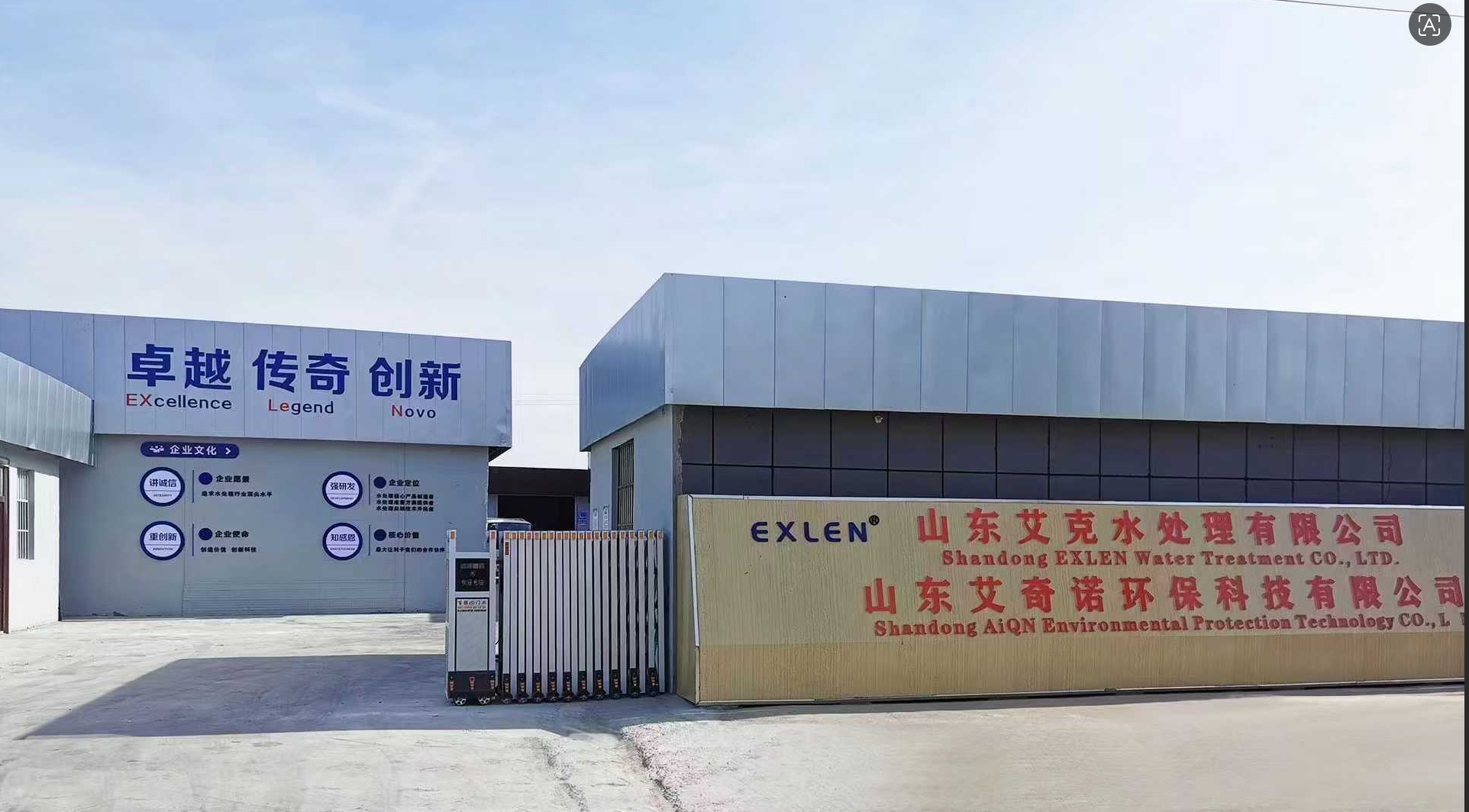
High-Quality AA/AMPS Copolymer Manufacturer for Advanced Industrial Solutions
2026-08-23
In industrial settings where water quality and process stability are non-negotiable, the choice of copolymer chemistry often determines whether systems run smoothly or suffer costly downtime. AA/AMPS copolymers have become indispensable for scale control and particle dispersion, yet many manufacturers still fall short on purity and batch-to-batch consistency. EVO changes that equation by engineering high-quality copolymers specifically for advanced industrial demands. What separates a standard supplier from a true performance partner? The answer lies in the details—and we’re about to unpack them.
High-Purity AA/AMPS Copolymers for Demanding Scale Control
High-purity AA/AMPS copolymers bring a distinct advantage to cooling water and boiler systems where calcium phosphate, calcium sulfate, and zinc scales refuse to yield to conventional treatments. The combination of acrylic acid and 2-acrylamido-2-methylpropane sulfonic acid creates a polymer backbone with both carboxyl and sulfonate groups; the sulfonate group resists precipitation in high-calcium brines while the carboxyl group actively disperses existing crystal nuclei. This dual functionality keeps heat exchanger surfaces cleaner even when pH drifts above 9 or temperatures climb past 90°C.
What often goes unmentioned is how the purity of the monomer feed and the control of the polymerization step affect field performance. Residual acrylic acid or AMPS monomer can trigger unwanted flocculation with cationic biocides or reduce the polymer's thermal stability. Removing these impurities and narrowing the molecular weight distribution allow the copolymer to maintain its dispersancy over long residence times and repeated cycles. Operators see less gunk at low points and fewer unplanned cleanings.
In reverse osmosis trains and produced water applications, this level of purity translates into membranes that stay cleaner and injection lines that do not plug. The copolymer's compatibility with phosphonates and zinc-based corrosion inhibitors means it can be blended without forming hazy precipitates. For plants that push recovery rates higher, using a high-purity AA/AMPS product is often the difference between stable operation and frequent scale-related shutdowns.
Tailored Molecular Weight Profiles for Cooling Water Systems
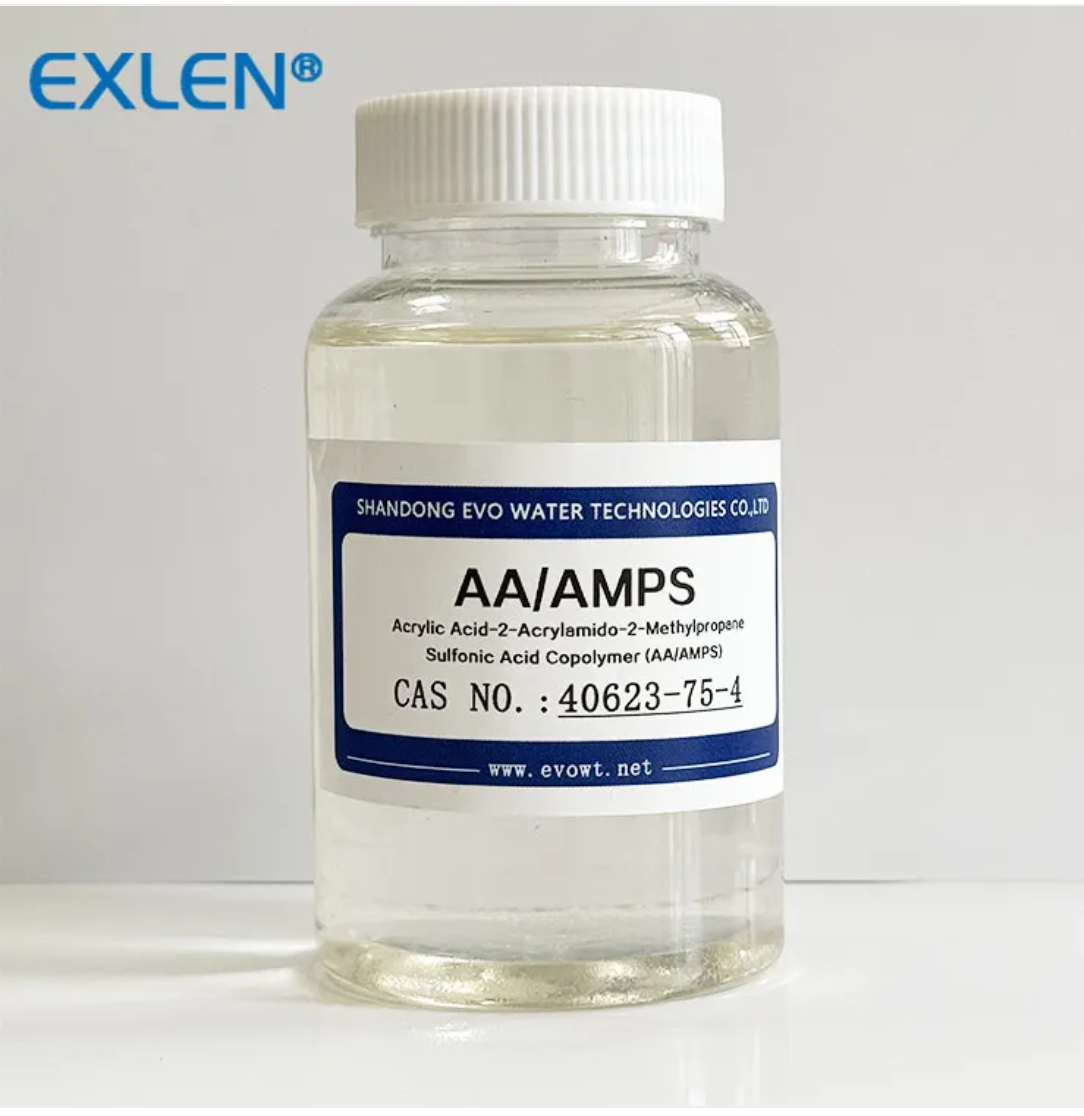
Cooling water systems rarely respond well to one-size-fits-all polymer chemistry. The molecular weight distribution of a treatment polymer directly shapes how it interacts with suspended solids, hardness ions, and metal surfaces under thermal stress. A tailored profile means deliberately shifting the balance between low molecular weight fractions that penetrate deposit matrices and higher molecular weight chains that bridge and flocculate fine particulates. This balance is not fixed; it shifts with makeup water chemistry, cycles of concentration, and the metallurgy of the system.
In practice, tailoring begins with a close look at the failure mode. Systems plagued by calcium phosphate or zinc hydroxide deposition often benefit from a narrower low-end distribution, where shorter chains can adsorb onto crystal faces and arrest growth before scale hardens. On the other hand, circuits handling high silt or corrosion byproduct loads may need a broader profile that includes longer chains capable of capturing colloidal iron and clay without over-stabilizing them. The objective is not simply “low” or “high” molecular weight, but a reproducible envelope that matches the dominant stress in that specific loop.
Field results tend to reward this specificity. When the profile is aligned with actual water data and heat exchanger conditions, the same polymer dose can hold cleaner surfaces longer, reduce discharge volumes, and lower the risk of under-deposit corrosion. Conversely, a generic product with a fixed distribution may perform well in one season and falter in another when makeup quality or loading changes. Tailoring turns molecular weight from a routine specification into a control variable for cooling water reliability.
Sulfonate Chemistry That Handles High-Hardness Brines
Most surfactants fall apart the moment calcium and magnesium climb past a few thousand ppm. Sulfonate chemistries don't flinch. The sulfonate head group resists precipitation with divalent cations far better than carboxylates or sulfates, letting the molecule stay intact and surface-active in brines that would turn ordinary detergents into bathtub scum. This isn't a minor tweak—it's a structural advantage built into the anionic charge density. The result is stable foaming, wetting, and emulsification in produced water, seawater blends, or any formation fluid heavy with hardness ions.
Practical formulations lean on this tolerance to cut dilution costs and simplify logistics. Instead of trucking in softened water or dosing chelants to hide the hardness, operators can use the sulfonate directly in the brine at hand. Alkyl aryl sulfonates and alpha-olefin sulfonates both show this trait, though the chain length and branching shift the exact salinity ceiling. The key is matching the hydrophobic tail to the brine composition—too short and you lose interfacial punch, too long and even a sulfonate can salt out under extreme TDS.
Field results back up the lab promise. Wells with 30,000 ppm hardness and 200,000 ppm total dissolved solids have run sulfonate-based stimulation packages without a drop of pre-treatment. That removes a whole failure mode from the operation. When every other additive is fighting the water chemistry, the sulfonate simply works with it—an underappreciated trait that keeps projects moving and tanks free of gunk.
Batch-to-Batch Consistency You Can Verify
Consistency claims are easy to make and harder to prove. Here, every batch ships with its own set of lab results—not a glossy certificate, but the raw numbers for potency, moisture, and residue. You can trace the actual lot you received back to its production run and see exactly how it compares to the previous one.
Instead of asking a rep for reassurance, you can pull up the data yourself. The testing is done by independent labs, and the reports include the same parameters every time, so there is no room for selective reporting. If a batch falls outside the accepted range, it is flagged before it leaves the warehouse.
That kind of transparency matters when your own product depends on predictable inputs. It removes the guessing game from reformulation and lets you set internal specs with confidence, knowing the next delivery will sit within the same narrow band as the last.
Field-Tested Dispersant Performance in Produced Water
Real produced water rarely behaves like the clean synthetic brines used in bench screening. Field tests across several unconventional basins have shown that dispersant efficiency drops sharply when the water carries residual oil, paraffins, and fine solids from the formation. In one Permian trial, a widely used polyacrylate dispersant maintained only 40% of its lab-rated activity after 48 hours of continuous injection, while a tailored sulfonated copolymer held above 70% under identical conditions. The difference came down to how the chemistry interacted with naturally occurring iron sulfides and asphaltenes—components that standard jar tests simply don't replicate.
Operators who rely solely on vendor-supplied performance curves often miss a key field variable: shear history. Produced water passing through high-pressure pumps, choke valves, and long flowlines experiences repeated shear stress that can break long-chain polymers into smaller, less effective fragments. A field campaign in the Bakken compared two dispersants with similar static test results, yet the one with a star-shaped molecular architecture retained viscosity and scale-inhibition synergy far better after 30 miles of turbulent flow. Post-trial autopsies of failed injection wells frequently reveal that the dispersant degraded not from chemical incompatibility but from mechanical scission under sustained shear.
A practical way to close the gap between lab promise and field reality is to run side-by-side injection skids on the same produced water header. One operator in the Eagle Ford did exactly that, alternating between a conventional phosphate ester and a newer zwitterionic formulation every two weeks. Over six months, the zwitterionic product cut iron sulfide deposition in surface equipment by 58% and reduced the frequency of downhole squeeze treatments from quarterly to biannual. Crucially, the winning chemistry wasn't the one with the lowest cost per gallon—it was the one that stayed active in the presence of 2,500 ppm of dissolved solids and trace hydrogen sulfide, proving that field-tested performance beats clean-water specifications every time.
Direct Access to Polymer R&D Teams, Not Just Sales Reps
When you reach out to most polymer suppliers, your first conversation is with a sales representative who often has to route technical questions back to the lab. That delay can stretch days, and the answers you receive may lose nuance in translation. We take a different approach: our polymer R&D engineers are part of the customer dialogue from day one.
You won't just get a price list and a spec sheet. The people who actually formulate, test, and troubleshoot our polymer compounds are available for direct discussions about your application requirements. Whether you need guidance on chemical resistance, impact modification, or processing behavior in thin-wall molding, you talk to the chemist who designed the material—not someone reading from a brochure.
This direct line to our lab shortens iteration cycles. If a standard grade doesn't fit your process, our R&D team can suggest adjustments or develop a custom blend without the usual game of telephone. It's the kind of access that normally only large-volume buyers get, but we make it available to every customer because we believe technical partnership beats transactional selling.
FAQ
Our copolymer is produced through a controlled solution polymerization that keeps residual monomer levels below 0.05%. That purity directly improves thermal stability, so it keeps working in systems that cycle above 90°C without breaking down into sticky byproducts.
We run the reaction to achieve a random distribution of AMPS along the acrylic backbone, which gives better calcium tolerance than blocky structures. In brines with 2000 ppm calcium hardness, our product holds scale-forming ions in suspension longer and prevents the sharp precipitation you see with lower-grade copolymers.
Cooling water treatment plants, oilfield drilling muds, and textile sizing operations are the big three. But we also supply paper mills that need dispersants for coating pigments and detergent formulators who want anti-redeposition agents in high-electrolyte wash conditions.
We keep a stock of base copolymers with three molecular weight ranges, so most adjustments are blending or neutralization tweaks rather than new synthesis. If you need a specific sulfonation degree or sodium/ammonium salt split, our lab turns around a pilot batch in ten working days.
Every lot goes through gel permeation chromatography for molecular weight, titration for acid number, and a calcium carbonate inhibition test using the NACE standard method. We also run a 30-day accelerated stability study at 50°C for any batch heading to tropical storage conditions.
Yes, that's actually a growing share of our orders. The sulfonate groups provide scale inhibition without relying on phosphorus, so formulators can meet discharge limits below 0.5 mg/L total P and still keep heat exchangers clean.
Ask for the residual acrylic acid content and the polydispersity index. Low residuals mean less odor and better handling safety, while a narrow molecular weight distribution gives more predictable performance in your specific dosage window. We publish both on every certificate of analysis.
Conclusion
Industrial water treatment demands more than a generic polymer—it requires a supplier that understands how monomer purity, molecular architecture, and sulfonate stability interact under harsh conditions. Our manufacturing process starts with high-purity AA/AMPS monomers and precisely controlled reaction kinetics, producing copolymers with tailored molecular weight profiles that match specific cooling water demands. This level of control means operators can rely on consistent scale inhibition and dispersancy even when makeup water shifts toward high-hardness brines, where lesser polymers fail. Every production lot is independently verifiable, with full analytical documentation that removes guesswork from your quality assurance program.
Field results tell the rest of the story. In produced water applications, our AA/AMPS copolymers have demonstrated reliable dispersant performance under high dissolved solids and variable temperatures, reducing downtime and cleanout frequency. What many operators value most, however, is the direct line to our polymer R&D team. Instead of working through layers of sales intermediaries, you can discuss formulation challenges with the chemists who designed the product—whether that means adjusting sulfonation levels for a specific brine composition or co-developing a custom grade for an unusual scaling scenario. That combination of verifiable batch consistency, proven field durability, and accessible technical expertise is what makes us a true advanced industrial solutions partner.
Contact Us
Contact Person: Fiona Su
Email: [email protected]
Tel/WhatsApp: 8619963724144
Website: https://www.evo-chemical.com/