
Jeep Seat Covers That Balance Comfort, Durability, and Easy Cleaning for Daily Drives
2026-11-26
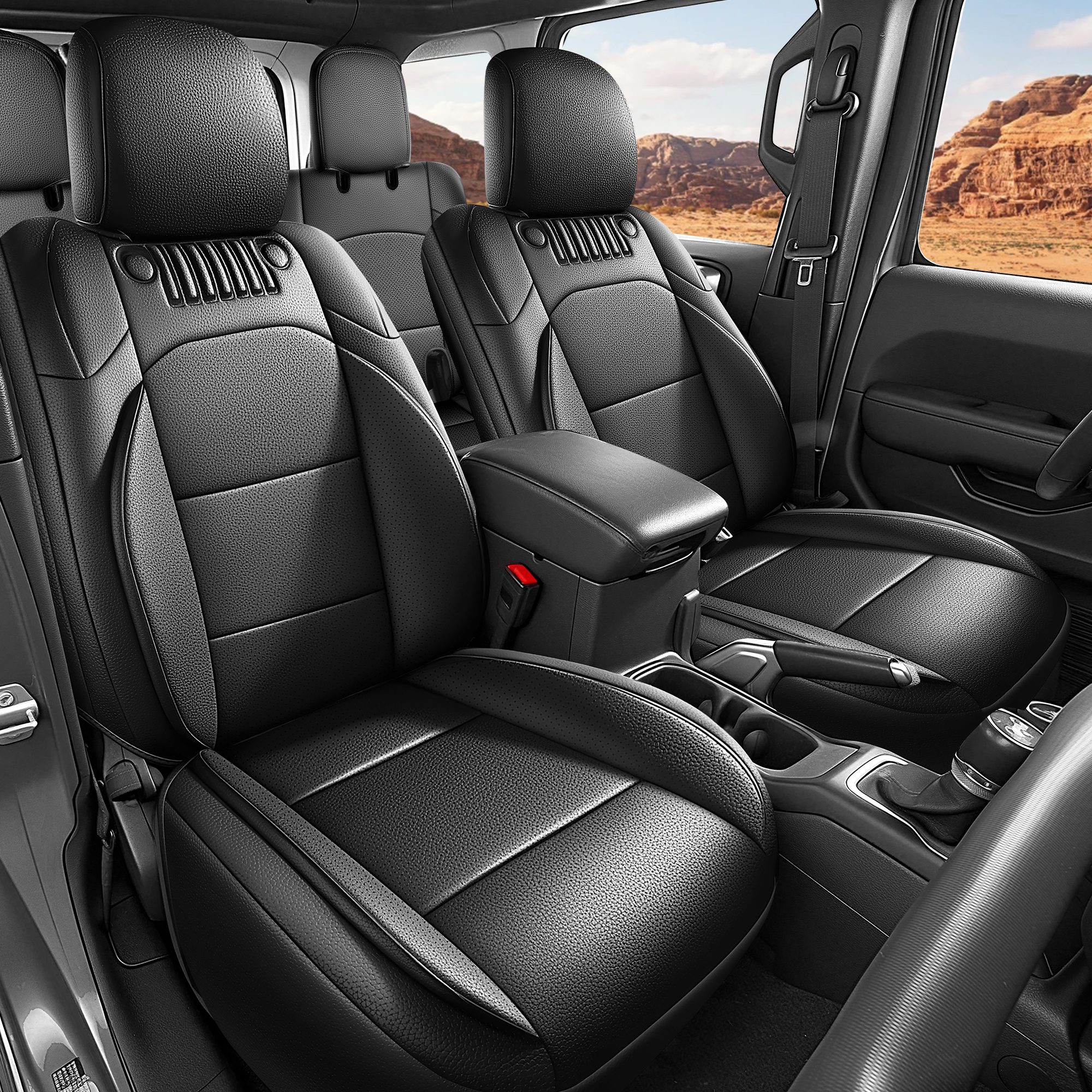
Your Jeep handles mud, coffee spills, dog hair, and daily commutes without complaining—but the factory seats tell a different story. The right covers shouldn't force you to choose between a soft ride, tough protection, and a quick wipe-down after a messy weekend. Red Rain builds Jeep seat covers around that exact balance: materials that hold up to daily abuse, stay comfortable on long drives, and clean up fast when life gets dirty. Here's what to look for before you settle for covers that only do one thing well.
Comfort That Holds Up After Back-to-Back Commutes
The real test isn't the first ten minutes. It's the third time you're stuck between two strangers on a packed train and the padding still hasn't flattened into something that feels like plywood against your back.
Small pressure points usually turn tender by the late afternoon, but this spreads the load well enough that you stop checking the time. Even after a rushed transfer and a stairway climb, the material doesn't turn sticky or start rubbing. You only notice how well it worked when you get home and feel no need to wrench it off at the door.
How the Right Fabric Keeps Daily Wear From Showing
Some clothes look tired after a single season because the fabric itself works against you. Wools with a tight, high-twist weave shrug off creases instead of holding onto them, while dense cotton twills resist the soft pilling that makes elbows and cuffs look worn. The trick is not chasing a brand name — it's checking how the yarn was spun and how closely the threads sit. A fabric that springs back after being crushed will hide the everyday friction of sitting, reaching, and commuting far better than anything with a high price tag but a loose, airy construction.
Knit fabrics behave differently, and most people choose them for the wrong reasons. A sturdy jersey with a slight heft and a matte surface won't show every stretch mark. Ribbed knits, on the other hand, recover their shape with surprising speed, which is why a well-chosen ribbed tee can survive years of machine washing without looking saggy. Avoid anything overly glossy or thin — those surfaces pick up oily smudges and lint almost on contact, making even a clean garment look like it needs a wash.
The real difference shows up in the details nobody checks. Seams finished with French or flat-felled techniques stay smooth against the body, so there's no puckering to catch the light. A fabric with a subtle slub or heathered tone hides tiny pulls and stains that would scream on a solid, perfectly smooth surface. When you pick the right weave and finish, the shirt or trousers don't just survive a busy week — they keep looking intentional, not merely tolerated.
Cleaning Spills Without Reaching for a Detailer
That moment when coffee sloshes over the cup holder or a takeout container leaves a greasy ring can feel like a quiet defeat. Before you grab the phone to book a professional, take a breath. Most everyday spills are manageable with items already sitting in your glovebox or kitchen drawer. A microfiber cloth, some warm water, and a bit of patience often outperform the panic-driven urge to scrub with whatever is closest.
Start by blotting rather than wiping. Press a dry cloth or paper towel into the spill to lift liquid out of the fibers instead of pushing it farther into the upholstery or carpet. For sticky residues, a mix of mild dish soap and water applied with a soft-bristled brush works wonders on fabric, while a diluted vinegar solution can handle harder surfaces without leaving behind a chemical smell. The trick is to work in small circles, letting the foam do the lifting, then blot again with a damp cloth to remove any remaining soap.
Once the area is clean, don't reach for a hair dryer or park the car in direct sunlight hoping to speed things up. Heat can set stains and stiffen fabric. Instead, crack a window or leave the door open for a while to let air move through. If a faint mark remains, a light sprinkle of baking soda left overnight will pull out both moisture and odor. By morning, a quick vacuum and you'd never guess anything happened.
Why Fit Matters More Than Padding in a Jeep Cabin
Sinking into a plush seat might feel good on a quick test drive, but spend an hour on a rocky trail and that softness becomes your enemy. In a Jeep cabin, the real comfort comes from how well your body is held in place. A seat that fits your frame keeps your spine aligned when the vehicle tilts sideways, stops the constant micro-adjustments that wear out your lower back, and lets your legs reach the pedals without stretching. Padding can mask a bad shape for a few minutes, but it can't fix a seating position that fights your natural posture.
Fit also changes how you read the trail. When you're not bracing yourself against the door or sliding toward the center console, your hands stay relaxed on the wheel and your eyes stay focused ahead. The right seat width, lumbar curve, and thigh support create a stable platform, so every bump gets absorbed by your legs and core instead of rattling your shoulders. You end up driving smoother because the vehicle feels like an extension of your body, not a box you're being tossed around in.
That's why owners who swap in aftermarket seats rarely talk about thicker foam. They talk about adjustable bolsters, longer seat bases, and brackets that lower the hip point. These changes aren't about luxury; they're about making the cabin work with your dimensions. Padding is easy to add later with a cushion. Getting the geometry right from the start is what turns a bumpy ride into an all-day drive.
Living With Mud, Pet Hair, and Morning Coffee
Real homes collect real stories. The dried mud crusted near the doorway isn't clutter—it's yesterday's hike still settling into the floorboards. Dog hair drifts into sunbeams like slow snow, and the coffee ring on the side table marks the exact spot where morning thoughts finally slowed down. You stop fighting it. You start noticing how the mess holds the shape of a life actually being lived.
Some people steam-clean their baseboards every Sunday. Others just wipe the worst of the paw prints off the glass and call it a day. The trick isn't keeping everything spotless; it's knowing which smudges are worth scrubbing. That streak of mud by the back door? Leave it. It'll be gone next week or replaced by a new one. The coffee stain on the blanket? Now it belongs to the blanket.
Morning routines get honest when there's a dog underfoot and a half-cold mug somewhere. You learn to step over the toy, not move it. You pour coffee while the dog shakes off last night's sleep, and a fine spray of fur lands on the counter. No one gasps anymore. It's just the opening note of the day—the one that says this house is full, and nothing here is pretending otherwise.
Covers That Blend In Instead of Screaming for Attention
Not every cover needs to beg for a second glance. Some of the most quietly effective designs borrow their surroundings rather than interrupt them—muted palettes, unassuming typography, and a sense of restraint that makes the object feel like it was always meant to sit on that shelf or table.
This approach shifts the job of the cover from shouting to settling. Texture and paper stock often carry more weight than a loud graphic, and the eye is drawn to small, deliberate details: a debossed title, an off-center spine label, a single thread of color that only shows itself under certain light.
When a cover refuses to compete for attention, it creates a different kind of confidence. The design assumes you will find it, spend a moment with it, and recognize that blending in is not the same as disappearing.
FAQ
Neoprene and heavy-duty canvas tend to handle daily wear best. Neoprene has a soft, forgiving feel but still resists spills, while canvas takes abuse from dirt and gear without showing much damage.
Yes, if you pick a multi-layer design with some padding. Look for covers with a breathable center panel or a thin foam backing so the seat doesn't feel stiff after an hour in traffic.
Most daily-use Jeep covers wipe down with a damp cloth or a mild all-purpose cleaner. For stubborn mud, a soft brush works. Machine washing is possible with some neoprene styles, but air drying keeps the fit from changing.
They shouldn't, as long as the covers are labeled airbag-compatible. Those models have reinforced stitching or a breakaway panel that lets the airbag deploy properly.
Good ones use straps, buckles, and sometimes hooks that anchor under the seat. If installed tightly, they won't slide around, even with daily entry and exit.
Yes, but choose covers that allow heat to pass through. Many neoprene and fabric options are fine with heated seats; just avoid thick, insulated designs if you want the warmth to reach you quickly.
Buy covers cut for your exact year, model, and seat style. Universal covers often bunch up around bolsters and look sloppy, while custom-fit options follow the seat contours better.
Definitely. Daily pavement driving still brings dust, coffee spills, pet hair, and sun fade. A decent set keeps the original upholstery protected and makes the interior easier to live with.
Conclusion
A good set of Jeep seat covers for everyday driving does not have to feel like heavy-duty armor. The real test is how the material behaves after several back-to-back commutes, weekend errands, and the occasional muddy dog jumping in without an invitation. Tightly woven fabric with a little stretch holds its shape instead of sagging or turning slick, which keeps daily wear from becoming obvious in just a few months. Spills happen, and nobody wants to schedule a detailing appointment over a dropped coffee cup. The right surface lets you wipe up most messes before they soak in, so morning coffee and trail dirt stay manageable rather than permanent. Fit does more of the work than extra cushioning, because a cover that shifts or bunches makes even the best padding feel wrong. Panels that follow the seat contours stay put, protecting high-wear areas without changing the way the cabin feels.
Living with a Jeep means accepting that mud, pet hair, and road grime are part of the routine. Covers that lean into that reality tend to have muted textures and colors that hide what accumulates between washes instead of drawing attention to every speck. They blend with the rest of the interior rather than shouting for notice, which keeps the cabin looking closer to stock while still offering protection. Over time, the balance comes down to simple things like a seat that still feels comfortable after a long week, fabric that does not look tired, and cleanup that takes a couple of minutes with a damp cloth. That combination is far more useful for daily drives than extreme materials or flashy designs.
Contact Us
Contact Person: Ms. Zhu
Email: [email protected]
Tel/WhatsApp: 86-15906860931
Website: https://www.redrainseatcovers.com