
OEM RF Skin Tightening Machine Buying Guide for Aesthetic Brands
2026-09-23
Choosing an OEM RF skin tightening machine is a make-or-break decision for your aesthetic brand. Yet most buyers rely on spec sheets that hide more than they reveal. This guide from Omeina strips away the marketing fluff and gives you the criteria that actually matter—so your next investment strengthens your brand instead of draining it.
Why Not All Monopolar and Multipolar RF Devices Are Equal
The assumption that all monopolar or multipolar RF devices perform identically ignores the engineering choices that shape clinical results. Electrode geometry, return pad placement, and generator frequency alter how current flows through tissue. A monopolar handpiece with a poorly designed grounding path can produce uneven heating at the periphery while sparing deeper structures, whereas a carefully tuned return path encourages volumetric heating. Similarly, multipolar configurations vary in number and spacing of electrodes; closely spaced poles concentrate energy superficially, while wider spacing or phase-shifted poles drive current deeper, impacting dermal and subdermal remodeling.
Beyond configuration, the quality of real-time feedback separates devices. Some systems rely on preset power curves that assume uniform tissue impedance, which rarely holds across different body areas or skin thicknesses. Others integrate continuous impedance monitoring and adjust output within milliseconds, preventing hot spots and maintaining a therapeutic temperature window. Even with identical electrode counts, differences in insulation materials, cooling mechanisms, or pulse modulation can shift the treatment from gentle collagen stimulation to aggressive fibrotic response. Therefore, clinicians cannot infer performance from the label "monopolar" or "multipolar" alone; they must evaluate the underlying delivery architecture.
Finally, clinical endpoints diverge because RF energy interacts with tissue anisotropy and vascular flow. Devices that ignore these variables may yield transient tightening but limited long-term collagenesis. In contrast, systems designed with dynamic energy control and anatomic presets can adapt to tissue response, yielding more consistent outcomes across diverse patients. The real distinction lies not in the category name but in how the device manages the physics of RF delivery from skin surface to target depth.
What to Verify Beyond the Price Quote When Vetting an OEM Factory
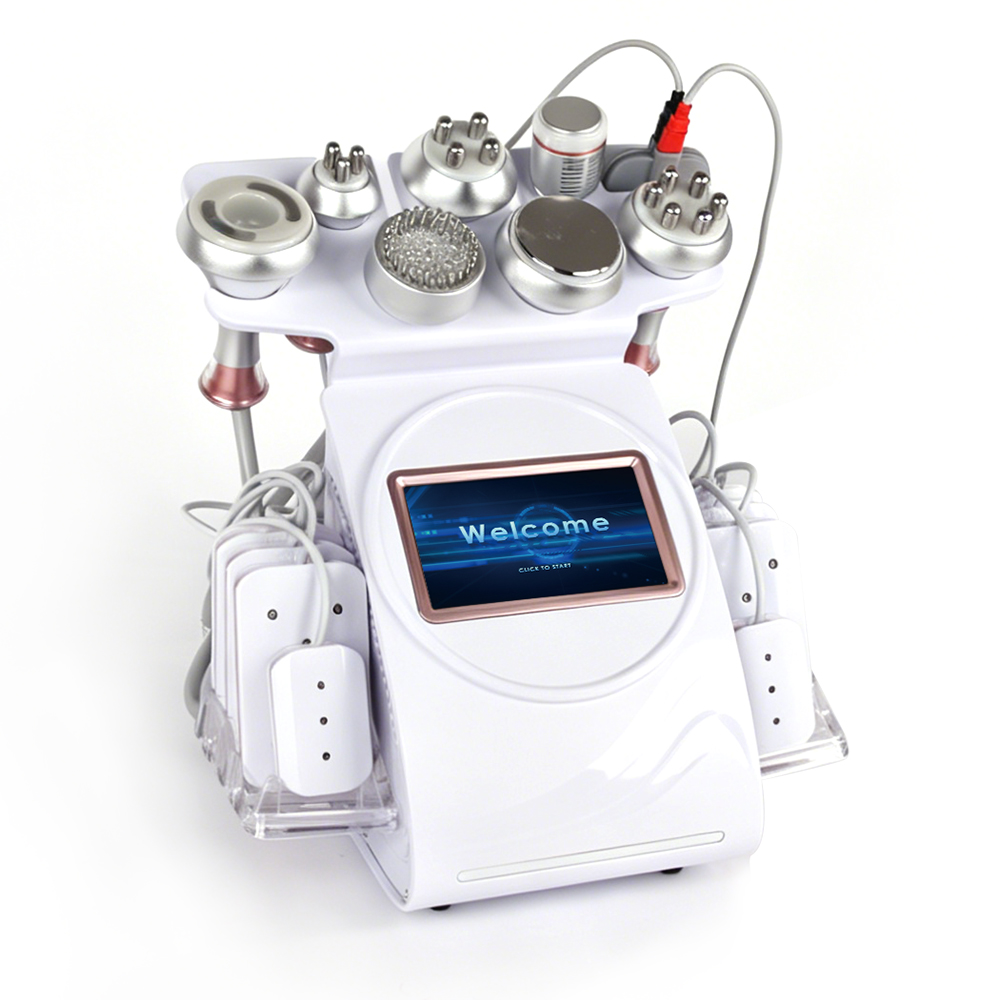
A low per-unit cost means little if the plant cannot hold tolerances on your third production run. Ask for real-time floor photos from the last 30 days, not brochure shots, and match the equipment list against the actual machines you see during a video walkthrough. Check whether the factory runs its own tooling maintenance or outsources it; a missing in-house grinding section often leads to delayed die repairs.
Dig into how they handle raw material traceability. Request a sample batch certificate and then cross-check that lot number with the supplier's mill certificate. If the factory hesitates to share supplier names or switches material grades without telling you, that's a bigger risk than a slightly higher quote. Also sit in on a live QC call where they measure first-piece samples against your drawing, not their own checklist.
Finally, talk to two former clients from the same product category, not just the polished references. Ask about late-shipment frequency, how they handled a defect dispute, and whether the factory ever shifted subcomponents to a subcontractor without approval. Those answers usually matter more than a wall of ISO plaques.
Branding Beyond a Logo on the Shell
The shell of a product often gets treated as a blank surface for a mark, but that misses the chance to let the material itself carry the story. A textured edge, the weight of a cap, the way a seam aligns with a handhold—these details register before anyone reads a word.
Clever design choices turn the shell into a behavioral cue. A subtle indentation where fingers rest, a matte patch that hides scratches, or a color shift across the body can signal care without shouting. These decisions feel less like decoration and more like the object knowing how it will be used.
The result is a quieter kind of recognition. When someone picks up the product months later, the worn corner or the satisfying snap of a closure triggers the same impression the logo was supposed to carry. That is branding that lives in the object, not on it.
Where Hidden Fees Hide in RF Machine Orders
The base price of an RF machine rarely tells the whole story. Once you get past the initial quote, you'll often find charges for export crating, local pickup from the factory, and even a “loading fee” to get the unit onto the truck. These smaller line items can add up quickly, especially if the supplier waits until after you've committed to the order before mentioning them.
Payment processing is another common hiding spot. Unless you explicitly ask, you may not realize that the listed price assumes a domestic bank transfer, while international wire fees, currency conversion margins, or letter of credit costs get passed to you later. Some suppliers even add a 3-5% surcharge for using PayPal or credit cards, which only appears on the final invoice.
Finally, look closely at what's included after delivery. Installation, operator training, and software unlocks are frequently listed as separate line items—or omitted entirely from the order confirmation. If you assume these are part of the purchase, you might be in for an unpleasant surprise when the machine arrives and you're told the startup service requires an extra payment.
Which Certifications Actually Matter for Your Target Market
Most buyers don't care about your wall of certificates—they care whether you can solve their specific problem without landing them in legal or compliance trouble. Start by mapping the certifications your target clients actually ask for in discovery calls, RFPs, or vendor intake forms. If you sell to healthcare providers, HIPAA-related credentials and HITRUST carry far more weight than a generic project management badge. If your market is EU-based e-commerce, GDPR and PCI DSS compliance often come up before anyone asks about your marketing degree.
The fast way to check relevance is to pull ten recent job posts or vendor requirements from your ideal customer segment and highlight every certification named. Then compare that list against what your competitors display on their websites and LinkedIn profiles. You'll quickly see which credentials are table stakes, which are differentiators, and which are pure vanity. A certification only matters if it shortens the buyer's decision cycle or reduces their perceived risk—otherwise it's just noise.
Don't chase new certs every quarter just because they're trending on LinkedIn. Instead, pick two or three that align with the exact language your target market uses to describe their pain points. For example, a B2B SaaS company focused on financial services will get more mileage from SOC 2 or ISO 27001 than from a broad digital marketing certificate. Ask your last five closed deals what convinced them to trust you—if a credential didn't come up, it probably isn't driving revenue.
Training Your Staff to Troubleshoot and Maintain After Purchase
Most equipment failures happen because someone skipped a basic step, not because the machine was faulty. Teach your team to listen for unusual sounds, watch for small leaks, and check error codes before calling for outside help. A ten-minute daily walkaround with a simple checklist catches problems while they are still cheap to fix.
Role-playing real scenarios works better than handing out a thick manual. Have one person act as a frustrated customer reporting an issue, and let another staff member practice asking the right questions and proposing a quick fix. Over time, this builds confidence and reduces panic when something actually breaks down.
Keep a shared log of every solved problem, including what was tried and what finally worked. New hires can read through past cases instead of repeating the same mistakes. Pair that with monthly refresher sessions focused on the most common failures, and your team will handle most maintenance tasks without needing a technician on site.
FAQ
Look beyond the wattage and handpiece count. The real deciding factors are energy delivery consistency, treatment comfort, and how easily the supplier can customize the interface and outer shell to match your brand. A machine that overheats after 20 minutes or causes uneven heating will trigger client complaints faster than any marketing campaign can fix.
RF heats the dermis to around 40-45°C, which causes collagen fibers to contract and triggers new collagen production over the following weeks. If the machine can't maintain that temperature zone accurately across different skin thicknesses, you'll get patchy results. That's why temperature sensors and impedance feedback matter more than raw power output.
Many brands focus on unit price and ignore lead times for replacement parts, firmware update policies, or whether the supplier holds safety certifications for your target market. You also need to ask about minimum order quantities for custom branding—some factories will charge a fortune for small batches of logo plates, which can kill your margins early on.
Don't just slap your logo on a white-label machine. Work with the OEM to tweak the treatment protocols, add a unique cooling mechanism, or design a handpiece that's lighter and easier to hold for longer sessions. Pair the device with branded consumables like conductive gels or post-treatment serums, which also create recurring revenue.
Check the RF frequency range (1 MHz is common but some machines offer 0.5-2 MHz for different depths), the number of independent channels, and whether the system monitors skin temperature in real time. A solid machine should also have an emergency stop and automatic shutoff if impedance spikes—these are non-negotiables for client safety.
Monopolar penetrates deepest but requires a grounding pad and more training. Bipolar is shallower and safer for delicate areas. Multipolar tries to combine both by using multiple electrodes, but often adds complexity without much benefit. For a new brand, bipolar or tripolar systems are easier to sell and train staff on, while still delivering visible results.
Ask the supplier for copies of their FDA clearance (if selling in the US), CE marking for Europe, or other regional approvals. Don't accept vague statements like "internationally certified." Cross-check the certificate numbers on official databases. Also request third-party electrical safety test reports, like IEC 60601, and make sure the device labeling and user manual meet your market's language requirements.
At minimum, they should offer a 12-month warranty on the main unit and handpieces, a clear repair turnaround time, and stocked spare parts that can ship within days. Ask about remote troubleshooting via video call—many issues are firmware glitches that can be fixed without returning the machine. If they hesitate to provide a detailed service level agreement, walk away.
Conclusion
Choosing an OEM RF skin tightening machine for your aesthetic brand means looking far beyond wattage claims and sleek photos. Not all monopolar and multipolar devices deliver the same tissue heating depth or consistency, so you need to verify electrode design, energy distribution, and real thermal imaging data instead of trusting a spec sheet. When vetting a factory, push past the price quote: inspect their RF circuit quality, ask about component sourcing, and request a live demonstration on actual skin tissue rather than a pre-edited video. Branding goes deeper than slapping your logo on a shell—consider whether the OEM can customize handpiece ergonomics, interface language, preset protocols, and even the acoustic feedback tone to match your clinic’s identity. Hidden fees often lurk in shipping insurance, firmware updates, spare handpiece costs, and calibration after the first few months, so demand a line-by-line cost breakdown before signing.
Certifications are not just alphabet soup; for most Western markets, a valid medical CE or FDA 510(k) clearance matters, while some Asian or Middle Eastern regions accept specific local marks—align the certification package with where you actually plan to sell. Finally, training should not end with a one-hour Zoom call. The best OEM partners provide hands-on troubleshooting manuals, remote diagnostic access, and scheduled maintenance webinars so your staff can handle overheating warnings, uneven energy output, or handpiece cable wear without shutting down client appointments. A truly reliable RF machine is one your team can maintain confidently months after the purchase, not just on day one.
Contact Us
Contact Person: Tina Liu
Email: [email protected]
Tel/WhatsApp: 8618681405932
Website: https://www.omeinabeauty.com/