
Paper Bag Making Machine Solutions for Efficient Production
2026-11-02
In the fast-paced world of packaging, every second on the production floor counts. Conventional paper bag making often hits the same wall: torn seams, inconsistent folds, and machines that struggle to keep up when demand spikes. That's where a smarter approach becomes essential. ROKIN paper bag making machines are built to eliminate these bottlenecks, delivering precision at high speeds without sacrificing durability. Whether you're producing flat or satchel bags, the right equipment can transform your line's throughput. In this post, we'll explore the key features that set efficient machines apart—and why ROKIN is becoming the go-to choice for manufacturers aiming to scale without compromise.
Automation That Works Like an Extra Pair of Hands
Most people don't need another dashboard or another notification stream. They need a quiet assistant that simply handles the small stuff before it piles up. Automation in this context means setting up routines that fill out the same forms, move the same files, or send the same follow-up messages without you having to click through them every time. It's less about technology and more about reclaiming minutes that usually leak away.
Think about the tasks that eat fifteen minutes here and twenty minutes there: copying data from one spreadsheet to another, matching invoices to orders, or reformatting documents. An extra pair of hands would knock those out without complaint. Automation does the same, but it doesn't get bored, doesn't take sick days, and doesn't need to be reminded. Once you set the rule, it keeps working—even while you're in meetings or away from your desk.
The real difference shows up at the end of the week. Instead of looking at a backlog of small admin chores, you see them already done. That mental space matters. You stop treating automation as a project and start treating it like a teammate who happens to work instantly and never drops the ball. That's the whole point: not more tools, just fewer loose ends.
Speed Without the Usual Tearing or Jams
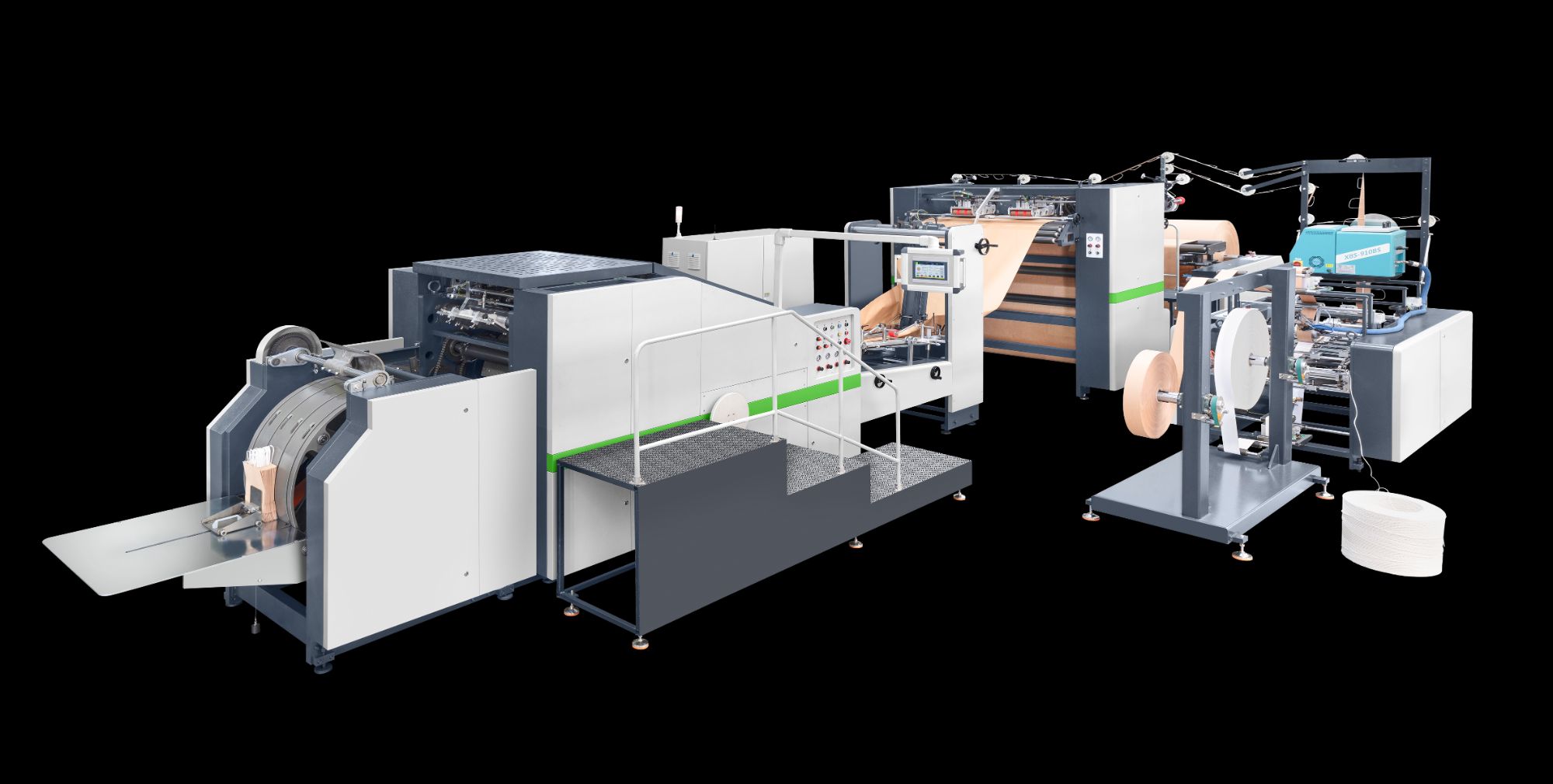
At high operating speeds, most machines force material through tight paths, creating stress points where tearing or jamming begins. This unit takes a different route. Its feed mechanism adjusts tension in real time, so paper, film, or fabric slides through without bunching at corners or catching on edges. The result is a smooth, continuous flow that keeps pace with demanding schedules.
Instead of relying on brute force, the system watches for subtle changes in thickness and friction, then compensates before a jam can form. Operators notice the difference immediately—fewer stops, less wasted stock, and a rhythm that doesn't break mid-run. Even on long jobs, the mechanism holds its composure, delivering clean output at speeds that would normally invite trouble.
Change Bag Formats in Minutes, Not Hours
The old way of adapting a bag for a new market or channel meant hours of manual tweaks, file exports, and frustrating wait times. With the right setup, you can now switch between die lines, material layouts, and print sheets before your coffee gets cold.
Real agility comes from having ready-to-use templates that treat format changes as a simple dropdown choice. You don't need to rebuild every panel or re-link every graphic element; the system handles the heavy lifting while you focus on aesthetics.
That speed changes the pace of your entire workflow. Prototypes get approved faster, seasonal updates stop being a bottleneck, and your team can test bold packaging ideas without the risk of losing an afternoon.
Trim Waste With Smarter Material Handling
Many operations still treat material handling as a fixed cost, moving things the same way because that's how it's been done. But waste hides in every unnecessary touch—double handling, overlong travel paths, idle equipment waiting for a batch. Rethinking flow at the point of use, not just in the warehouse, often reveals that a few layout tweaks or a switch to right-sized containers can cut handling time by double digits before any capital is spent.
Smarter handling means matching the method to the material's actual demand pattern. Instead of moving everything in large totes to a central staging area, consider delivering smaller, sequenced loads directly to assembly or packing. This reduces pileups, damage from excessive transfers, and the hidden labor of searching and sorting. Teams that track 'touches per part' rather than just throughput quickly find specific, low-cost moves that eliminate waste without adding complexity.
The real gain isn't just a leaner process—it's giving people back time to focus on value-added work. When material arrives where it's needed, in the right quantity and condition, rework drops, floor congestion eases, and safety improves because there's less rushing and fewer forklift trips. Start by mapping one material flow from receiving to point of use, mark every touch that doesn't change its state, and remove at least one this week.
Consistent Output on Every Paper Grade
Consistency across paper grades rarely comes from a single setting. It emerges when the device reads subtle differences in surface texture, weight, and coating, then adjusts its internal timing and heat delivery to match. Without that awareness, a lightweight sheet can buckle under too much fusing pressure, while a heavy cardstock may emerge with toner that hasn't fully bonded.
What often gets overlooked is how paper brightness and recycled content shift the way toner lays down. A bright white sheet reflects more sensor light, sometimes triggering a lighter deposition, whereas a rough, uncoated stock can scatter the beam and mislead the density calculation. Consistent output means compensating for these quiet variables before the first page hits the output tray.
The real test isn't a single run on premium paper. It's switching from a 60 gsm recycled sheet to a 120 gsm glossy cover and back again, all within the same job. If the machine holds line width, solid fill, and fine detail without manual intervention, then the phrase 'consistent output' actually means something. Otherwise, it's just a number on a spec sheet.
Floor-Ready Upgrades That Don't Require a Rebuild
Ripping out an existing floor often feels like the only path to a fresh look, but plenty of high-impact changes can sit directly on top of what you already have. Interlocking luxury vinyl planks, for instance, click together over old tile or wood without nails or glue, and modern wear layers shrug off scratches and spills far better than their predecessors.
If you want something softer underfoot, carpet tiles are another floor-ready option that sidesteps a full rebuild. They come in peel-and-stick or loose-lay formats, so you can replace a stained square in minutes. Mixing two neutral shades in a checkerboard or random pattern adds a custom feel without the cost of stretching wall-to-wall carpet.
For concrete slabs or basements, a moisture-sealing underlayment paired with rigid core vinyl gives you the look of hardwood without worrying about warping. Since these systems float above the subfloor, they also absorb minor unevenness, which means you skip the grinding and leveling that a traditional rebuild would demand.
FAQ
They handle a wide range, including flat and satchel bags, square bottom bags, and grocery-style sacks with or without handles. Many models let you switch between sizes and styles with quick changeover features.
Advanced servo drives and precise tension control keep the paper feed steady at high speeds, while automated gluing and folding stations reduce manual intervention. Real-time monitoring flags small deviations early, so rejects stay low and throughput remains consistent.
Most machines run well with kraft paper, recycled board, and coated stock from roughly 40 to 160 gsm, depending on the bag style. Using rolls with uniform thickness and proper moisture content helps maintain clean folds and reliable sealing.
Many current solutions are built with adjustable formers and digital size settings, so switching from a small flat bag to a large square bottom bag can take minutes rather than hours. That flexibility is useful for producers serving varied retail and foodservice customers.
Daily cleaning of glue applicators and folding plates, weekly checks of belts and bearings, and scheduled lubrication of moving parts are the core routines. Keeping a log of wear items and replacing them before failure avoids unexpected downtime.
Automatic roll splicing, inline printing, and finished-bag counting remove several manual steps. One operator can oversee multiple lines, and the machine can run longer unattended between roll changes, which lowers labor per thousand bags.
Look beyond speed ratings and compare energy consumption per bag, ease of size changeover, availability of spare parts, and whether the control system allows remote diagnostics. A slightly slower machine with faster setup times can often outperform a high-speed model in mixed production.
Conclusion
Running a converting line for paper bags often comes down to how well the equipment adapts to real production pressure. The first thing operators notice on a well-designed system is that the automation doesn't just supervise the process—it actively takes over repetitive adjustments, almost like having another pair of hands on the floor. Feeding, creasing, and stacking stay synchronized even when roll tension shifts, so you're not nursing the machine through every grade change. Speeds can be pushed higher without the usual tearing at the gusset or jams at the turn-over section, because the servo-driven draw rollers and air-assisted guides react faster than the web can wander. When a run moves from a flat satchel to a twisted handle bag, the format change is handled through stored recipes and quick-release mandrels, which means a few minutes of dialing in rather than half a shift of wrench work.
Material handling is where efficiency gains often get overlooked. Smarter splice tables and edge trim recovery keep waste down, and the machine meters the exact sheet length for each bag style instead of relying on fixed cut-offs that leave scrap. The result is consistent output whether you're running lightweight recycled kraft or heavier coated stock—no constant recalibration needed after every pallet change. Upgrades can be fitted to existing frames without tearing out the entire line: add a servo infeed, replace a glue pot with a closed system, or mount a counting stacker in the space you already have. It's the kind of floor-ready improvement that pays back in fewer rejected bags and less downtime, not in a multi-month rebuild. That's what makes a machine feel less like a bottleneck and more like the reliable center of the production room.
Contact Us
Contact Person: CARA
Email: [email protected]
Tel/WhatsApp: +8619519778302
Website: https://www.rokinmachinery.com