
Pickup Truck Floor Mat Supplier Reveals How to Find the Perfect Fit for Your Truck
2026-08-18
Ever bought a set of pickup truck floor mats that promised perfection but ended up sliding around or leaving your carpet exposed? You're not alone—and the fix isn't just about measurements. A trusted pickup truck floor mat supplier like FANDEWEI sees it all the time: drivers overlook the subtle details that separate a true custom fit from a universal compromise. Whether you drive a rugged F-150, a heavy-duty Silverado, or a midsize Tacoma, the key lies in understanding your truck's unique floor pan angles, retention points, and heel-wear zones. In this guide, we'll cut through the guesswork and show you what a top-tier supplier looks for when matching mats to your specific model—because the last thing you want is a mat that shifts under your boots on a muddy job site. Ready to finally get that snug, no-slip, full-coverage fit? Let's dig in.
Skip the Measuring Tape: Your VIN Knows the Floor Better Than You Do
Most people grab a tape measure when shopping for replacement carpet or floor mats, but your VIN already has the answer tucked inside. Every 17-character code links to a full build sheet, including the factory carpet type, color, retention method, and whether an extra sound-deadening layer was installed. Measuring only gives you rough dimensions—your VIN can tell you if there's a wiring channel under the driver's seat or the exact contour of the rear floor hump.
Take trucks and SUVs, for instance. A Ford F-150 in four-wheel drive has a completely different floor pan than the two-wheel-drive version, yet a tape measure won't catch that until your new mats jam the accelerator pedal. VIN decoding narrows it down to the specific option code—no guessing whether you have a SuperCab or SuperCrew, no crawling under the seat to check clip positions. Some European cars even have different carpet edge trims for left-hand and right-hand drive models, something a measuring tape can never reveal.
Next time you need new flooring or floor mats, just give them the VIN. The five minutes you spend measuring will never match the accuracy of those 17 characters. Put the tape measure away and let your VIN do the work.
The 'Universal Fit' Myth: Why One-Size-Fits-All Never Fits Your Truck
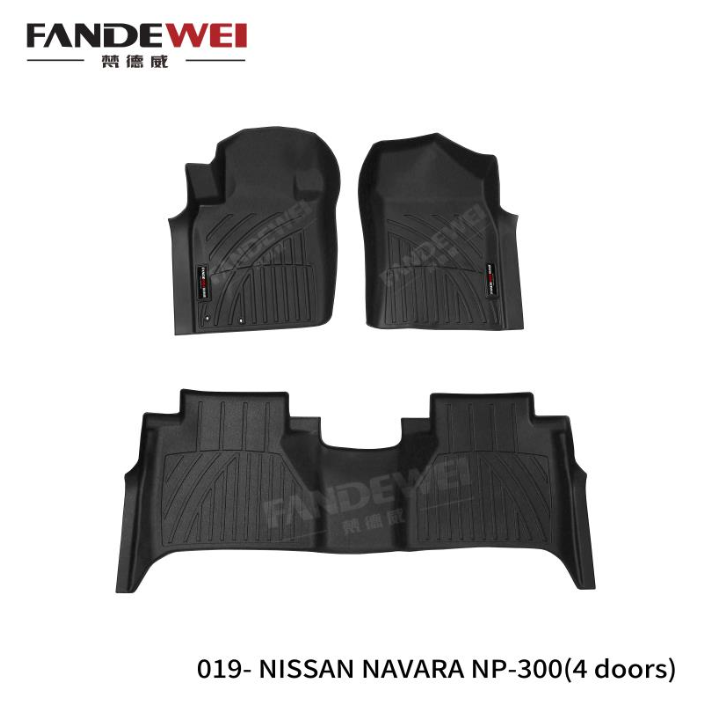
The phrase "universal fit" sounds reassuring until you try bolting a part onto a truck that wasn't built for it. Trucks are not like smartphones or t-shirts; they differ wildly across model years, cab configurations, bed lengths, suspension packages, and even regional trims. A bracket that hugs the frame on a crew cab short bed may not even line up with the mounting points on a regular cab long bed, let alone on a different generation of the same model.
Even within the same model year, aftermarket accessories advertised as one-size-fits-all often force you to drill extra holes, bend brackets, or leave gaps that collect road grime. That "universal" floor liner can slide under the pedals because it's trimmed for three different cab shapes. A cold air intake that fits a V6 might choke a diesel or a turbocharged variant. The result is not just poor fitment but genuine safety and performance issues.
Smart truck owners learn to look past the universal label and check exact compatibility with their VIN, cab and bed specs, and intended use. It takes a few extra minutes, but it saves hours of wrestling with misaligned parts and avoids the heartbreak of a "bolt-on" upgrade that never actually bolts on.
Mud, Snow, and Work Boots: What Your Mat Material Actually Needs to Survive
Mud has a way of finding every seam, every fiber, every tiny gap in a mat. It dries, hardens, and then grinds into the surface with each step. A material that simply wipes clean on paper often fails in the real world where mud is worked deep into the weave by a pair of worn work boots. The real question isn't whether the mat can look good on day one, but what happens after three weeks of rain, slush, and boots caked in job-site grime.
Snow and ice bring their own quiet destruction. Moisture seeps into the backing, freezes at night, thaws in the afternoon, and slowly splits the material from the inside out. Many mats are built for a dry lobby, not for the constant cycle of melt and refreeze that happens just inside an entry door in February. If the material can't handle repeated freeze-thaw cycles without delaminating or cracking, it's not a winter mat—it's a temporary floor covering.
Then come the boots themselves. Work boots carry gravel, metal shavings, road salt, and oil. They don't just walk across a mat; they grind, pivot, and scrape. A mat material needs to resist abrasion, hold its texture so it can actually scrape debris off soles, and release that debris when shaken or hosed down. The best materials don't just trap dirt—they let it go before it becomes part of the mat itself.
The Measuring Mistakes We See Most (and How to Avoid Them)
A tape measure with a bent hook or a ruler that's been dropped one too many times can throw off every number you write down. Before you trust any tool, check it against a known standard—like a machinist's gauge block or even a fresh sheet of printer paper, which is exactly 8.5 inches wide. If the tool reads off, either replace it or note the offset and mentally adjust each measurement. Most people skip this step because it feels like overkill, but a five-second check beats redoing an afternoon of work.
Reading a measurement from the wrong edge of the blade is surprisingly common, especially with tapes that have both metric and imperial markings. You line up the end with one corner, then glance at the number closest to the other corner—but if your eye drifts to the wrong side of the hash mark, you're off by a sixteenth or more. To avoid this, always place the zero point flush against the starting edge and read the number that the object's edge actually crosses, not the one that looks nearest. If you're measuring inside a cabinet or window frame, use a tape with a true zero hook or add the hook thickness to your final figure.
Temperature changes mess with materials more than people expect. A steel tape measure expands on a hot day and contracts in a cold room, which can shift a 10-foot measurement by a few hundredths of an inch. For most DIY projects that's nothing, but if you're cutting trim or fitting joints, it's enough to leave a visible gap. When precision matters, let your measuring tools sit in the same environment as the material for half an hour before you start. Also, pull the tape with the same tension every time—too much flex adds length, too little lets it sag. A consistent, light pull is all you need.
A Snug Fit Without the Slip: Simple Installation Tricks From the Shop Floor
Getting a gasket or trim piece to seat properly usually comes down to what you do before the bolts go in. On the floor we skip the fancy sprays and wipe the mating surface with a rag dampened in warm water and a drop of dish soap. It cuts through assembly oil and leaves just enough tack for the part to hold its position while you align the holes. For stubborn corners, a strip of painter's tape folded back on itself works better than any clamp—it holds the piece flush without leaving residue or shifting under torque.
The second trick is tension sequencing. Start every fastener by hand until you feel the threads bite, then snug them in a crossing pattern, but only to about half the final torque. Walk around once, then finish in the same order. This lets the part settle evenly into its groove instead of bowing up on one side. If you hear a faint click or feel the part shift at the last turn, stop and back off a quarter turn before retightening—that's usually the lip seating itself into the channel.
Finally, don't overlook temperature. A rubber or foam seal that fights you on a cold morning will drop right in after ten minutes in a bucket of hot water. The heat makes it pliable enough to follow tight radiuses without tearing, and as it cools it contracts slightly for an even tighter grip. Keep a heat gun on low nearby for plastic trim that has to bend around a corner—warm the back side, not the face, and press it home with a folded microfiber towel to avoid kinking.
Could a Copycat Mat Cost You More? Spotting Poor Design Before You Buy
A cheap mat that mimics a premium brand might look identical in a photo, but the differences show up within weeks. Edges start peeling, the surface turns slippery after a few sessions, and the cushioning flattens under your knees. What seemed like a bargain becomes a distraction during practice, and you end up buying another mat far sooner than expected.
Before handing over your card, run your fingers along the edges and check for uneven thickness. Roll it up and see if it springs back or stays curled. A strong chemical smell often signals low-grade materials that won't hold up. If the texture feels tacky rather than grippy, your hands and feet will slide the moment you start to sweat.
The real cost isn't just the price tag—it's the interrupted flow, the sore wrists, and the replacement you'll buy in a few months. Spending a bit more on a mat with solid construction saves you from that cycle. Pay attention to how it feels before you commit; your joints will notice the difference long before your wallet does.
FAQ
Confirm the exact year, make, model, and cab configuration. Things like a manual vs. power-adjustable seat, a floor-mounted shifter, or a factory subwoofer can change the floor shape. If you still have the old mats, check the back for a part number or ask the supplier to verify against your VIN.
Generally no. Truck floors have raised humps, seat tracks, and uneven contours that cause universal mats to slide, bunch up under the pedals, or leave big gaps. If you're in a pinch and just need temporary coverage, a trim-to-fit mat can work, but a custom-fit option is much safer and more durable.
Look at the edge coverage. A real custom-fit mat should follow the shape around the seat rails, center console, and door sills without needing to be forced into place. Ask for photos of the mat installed in your specific cab size, and check that it uses the factory retention clips or hooks instead of relying only on friction.
Heavy-duty rubber or a thermoelastic polymer like TPE is usually the best choice. Those handle mud, snow, oil, and daily abuse without cracking, and you can just hose them off. Carpeted mats feel nicer for a daily driver, but they hold stains and trap debris. If you deal with solvents or fuel spills, go with rubber or TPE.
Yes, front and rear floor mats are shaped differently. In a crew cab, the rear mat usually has to cover the transmission tunnel hump and may come in one piece or two separate pieces depending on the model. Buying a matched set for your exact cab style avoids gaps and keeps everything anchored.
A solid custom-fit rubber or TPE set typically runs between $150 and $350, depending on the brand and whether it includes a rear piece. Below about $80, you're usually looking at thinner material or a generic shape that won't cover the high-wear areas. Premium all-weather brands can go higher, but they often last the life of the truck.
They absolutely can if the fit isn't right. A mat that's too thick or shaped wrong can catch the gas pedal, block the brake, or stop the seat from sliding all the way forward or back. After installing any mat, press each pedal to the floor and move the seat through its full range to make sure nothing binds.
Choose mats that lock into the factory retention posts or use built-in clips that match your truck’s factory connectors. If those aren't available, look for a grippy backing or hook-and-loop strips, but avoid adhesives that can melt or damage the carpet underneath. If a mat is still moving, it's usually a sign the shape isn't right for your cab.
Conclusion
The surest way to get the right floor mats for your pickup isn’t a tape measure or a guess based on year and model—it’s the VIN. That 17-character code tells suppliers exactly which cab style, floor shape, and seat mounting points your truck left the factory with, so a mat can be cut to follow the contours rather than floating over them. We also see too many buyers fall for the “universal fit” label, which usually means gaps at the door sills and a hump that bunches up under the accelerator. A proper mat hugs the dead pedal, leaves the fuel door release clear, and doesn’t creep toward the brake. When you’re dealing with mud, snow, and work boots, the material matters as much as the shape. Thin carpet or flimsy rubber won’t survive a winter of salt and gravel; you want a heavy-duty thermoplastic or vulcanized rubber with raised edges that trap slush instead of letting it run into the carpet.
Most measuring mistakes come from not accounting for the transmission tunnel or the under-seat vent, so mat templates built from actual floor scans avoid those traps. On install day, lay the mat in direct sun for a few minutes to let it relax, then press down along the retention clips until you hear a click—if it slides, it’s not locked. And don’t assume a cheap lookalike mat is the same as the original. Poor designs skip the heel pad, use shallow channels, or curl at the edges after a few heat cycles, which can leave you with a mat that catches the pedals or traps moisture against the floor. A little extra spent on a mat matched to your VIN pays off the first time you knock snow off your boots and everything stays contained.
Contact Us
Contact Person: Jet
Email: [email protected]
Tel/WhatsApp: 8619903745266
Website: https://www.fandewei.com/