
Preserved Flower Original Manufacturer Guide to Selecting Top-Quality Blooms
2026-09-07
A preserved flower can look perfect in a photo and fall apart in your hands. The difference comes down to who made it and how. PHLEEYA, as an original manufacturer, relies on a set of checks you won't find on a typical product page - petal resilience, colorfastness, and stem flexibility included. This guide shares those checks so you can choose blooms that stay beautiful long after the box is opened.
The Untold Difference Between Average and Exceptional Preserved Blooms
Most people think preserved flowers are all the same until they hold an average one next to an exceptional one. The average bloom often feels stiff or waxy, with petals that look painted rather than naturally faded. Exceptional preserved blooms keep a softer, almost fresh-from-the-garden texture, and the color sits in the layers rather than on the surface.
The real difference comes down to how the sap is replaced and how patient the preservation process is. Rushed methods leave stems brittle and edges curled, while carefully treated blooms retain their shape and even a subtle bend in the stem. You can see it in small details: an exceptional bloom will have varied petal tones and a matte finish that catches light the way a living flower does.
Longevity also separates the two. Average preserved blooms might fade or shed within weeks, especially in humid rooms. Exceptional ones hold their color and structure for months, sometimes years, without looking dusty or artificial. If you run your fingers over the petals, the best ones still feel supple rather than papery.
Reading a Flower’s Color and Petal Structure Like a Pro
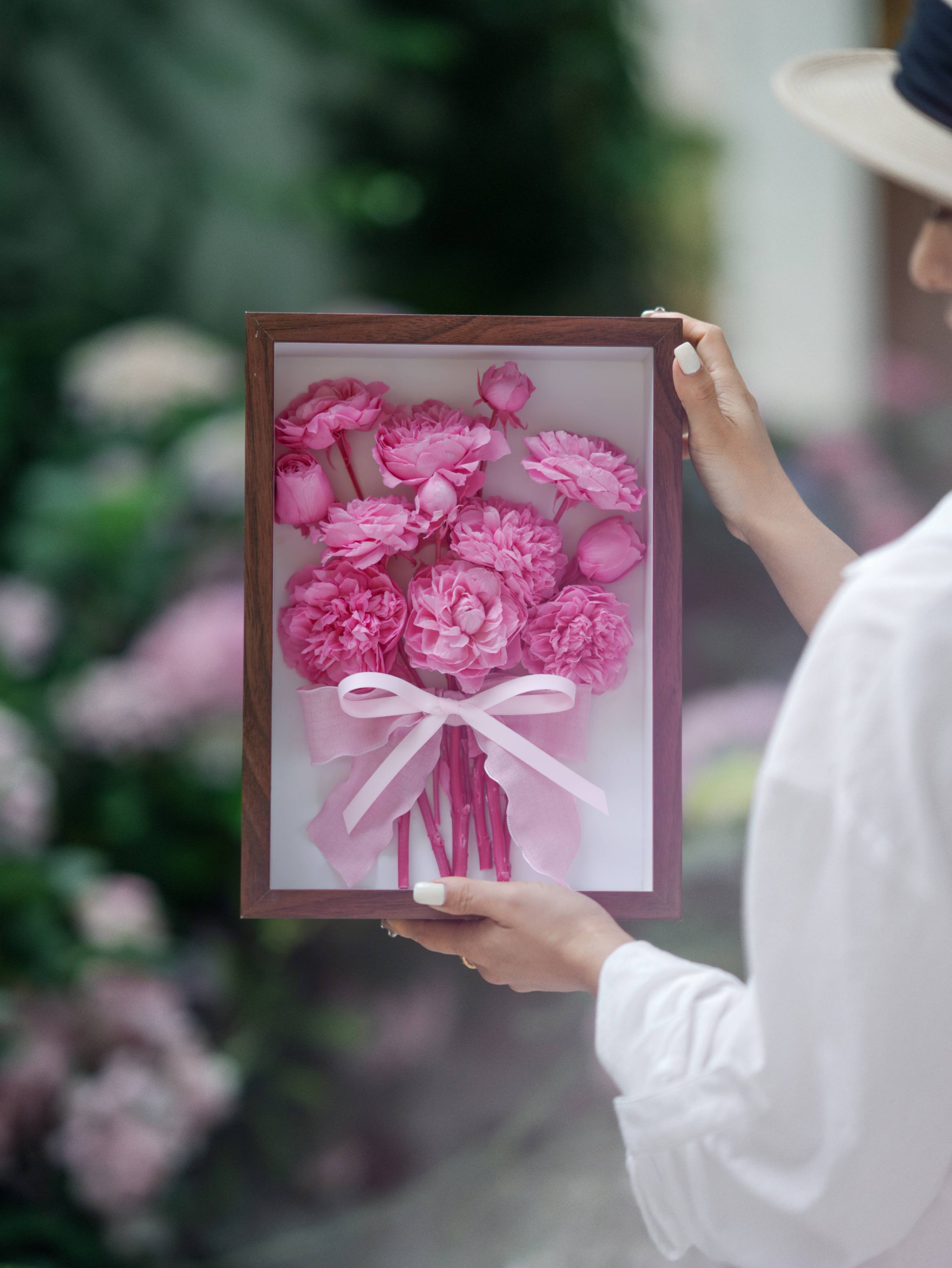
Most people glance at a flower and register a single color, but a practiced eye reads the whole story written across the petals. Start by looking beyond the primary hue—check the throat, the edges, and the undersides. A bloom that looks uniformly pink from a distance might reveal a pale ring at the center or faint striping along each petal when you get close. These subtle shifts often point to specific cultivars or indicate how much sun the plant received while the bud was forming.
Petal structure is just as telling as color, though it gets less attention. Count the petals, note whether they’re fused into a tube or arranged as separate blades, and run a finger over the surface if you can. Texture matters: some petals feel like damp tissue paper, others like stiff velvet. Look at how the edges behave—are they smooth, ruffled, fringed, or notched? These details can separate two nearly identical species faster than a field guide, and they help you understand how the flower handles rain, wind, and pollinators.
Once you’ve trained yourself to see color and structure together, you start noticing how they change over a bloom’s life. A flower that opens deep violet may fade to lavender by day three; a tightly packed center may loosen as the disc florets mature. Spend a season photographing the same plant every few days and compare the images side by side. That’s when reading flowers stops being a party trick and becomes a way of seeing the garden more sharply.
Why the Best Manufacturers Obsess Over Stem and Leaf Health
The quiet obsession starts in the field, not the factory. A stem that snaps with the right amount of moisture, leaves that resist tearing at the edges—these small physical cues tell a manufacturer how well the plant moved water and nutrients during its final weeks. If the vascular structure is compromised, no amount of downstream processing can hide the lack of essential compounds. That's why procurement teams get out of the office and bend stems by hand before signing off on a batch.
Leaf health matters equally because the leaf is where most of the photosynthetic work happens. Yellowing, spotting, or brittle tissue indicates a plant that experienced stress—drought, disease, poor soil balance. These stresses alter the chemical profile. A manufacturer that ignores leaf condition ends up with extract or powder that varies from lot to lot, forcing constant reformulation and customer complaints.
Beyond chemistry, there's a mechanical reason. Healthy stems and leaves process more cleanly through milling, sieving, and blending. Damaged tissue shatters into dust, clogs screens, and creates hot spots in mixing. Top manufacturers know that chasing stem and leaf health upstream saves hours of troubleshooting downstream—and that's a trade-off worth obsessing over.
Five Telltale Signs of a Poorly Preserved Flower
Pressed petals that have shifted from their original vivid hue to a dull, brownish tint often reveal a flower that wasn't dried quickly enough. Instead of a crisp, papery snap when gently touched, the surface might feel tacky or limp—a sign that residual moisture lingered too long. You might also notice faint, irregular blotches spreading across the bloom, hinting at mold or oxidation that set in during storage.
A well-kept specimen retains clear, defined edges, but a poorly preserved one frequently shows crumbling along the margins or a fine, dusty residue that flakes off at the slightest movement. The stem, if still attached, may appear shriveled and brittle, sometimes with a musty smell that clings to the paper. These small but telling details separate a treasured keepsake from one that has quietly degraded.
What Top Florists Look for Before Buying in Bulk
Top florists don't just glance at a wholesale catalog and hope for the best. They tend to work through a mental checklist before committing to a bulk order, and freshness sits right at the top. That means checking how recently the stems were cut, whether the supplier uses proper cold-chain storage, and if the blooms will actually open on schedule for events or daily arrangements. Soft, drooping petals or a faint musty smell are immediate red flags, no matter how tempting the price per stem looks.
Beyond the buds themselves, experienced buyers pay close attention to stem length, thickness, and uniformity. A box of roses with wildly inconsistent heights might be fine for a loose garden-style arrangement, but it's a nightmare for a structured wedding arch or a tight hand-tied bouquet. They also think about vase life—nobody wants a flower that looks stunning for one afternoon and collapses by dinner. Asking the supplier about recent shipments, how they handle ethylene-sensitive varieties, and whether they offer any guarantee on longevity often separates a smart purchase from a costly gamble.
Finally, many top florists build relationships with two or three trusted wholesalers rather than chasing the lowest quote every single week. That loyalty pays off when a last-minute order comes in or when a particular flower shows up damaged. They know that a bulk order is only as good as the person packing the box, so they look for consistent communication, honest photos of current stock, and a willingness to swap out subpar bunches without a fuss.
The Longevity Test: How to Predict If Your Blooms Will Last
A bloom's staying power isn't a mystery you solve after wilting begins. Before you arrange a stem, run a thumb gently along the base of the flower head where petals meet the calyx. If the petals feel plump and spring back instead of creasing, the flower still holds internal moisture. Drooping or translucent petal edges, on the other hand, signal that cell walls are already breaking down, no matter how fresh the stem looks from a distance.
Check the cut end and the leaves. A healthy stem should show a clean, pale cross-section, not a slimy or browning ring. Leaves that remain taut and slightly glossy, especially near the top, indicate the plant is still pulling water upward. If the stem feels rubbery or the leaves have begun to curl inward, the bloom is conserving resources and has likely entered its final phase.
Finally, consider the environment the flowers came from. Blooms stored near ripening fruit or in warm, dry air often age faster because ethylene gas and low humidity accelerate petal drop. Those kept in cool, humid conditions with freshly cut stems have a much better chance of lasting a full week or more. A quick tap on the stem just below the bloom: if any petals shiver or fall, leave it at the shop.
FAQ
Look for petals that feel supple rather than brittle, with color that appears evenly distributed and close to the living flower. The stem and foliage should also be intact, not crushed or overly glossy from excessive coating.
Rub a hidden petal lightly with a dry white cloth. If color transfers easily, the dye isn't fixed well. High-quality manufacturers use stable, non-toxic dyes that won't bleed onto hands or packaging.
Original manufacturers usually control the entire preservation process, from harvesting at the right bloom stage to replacing sap with a glycerin-based solution. This reduces handling damage and ensures more consistent batches compared to third-party resellers.
Faded patches, a musty or chemical smell, excessive shedding, and leaves that crumble on touch all point to either rushed preservation or exposure to humidity and sunlight. Properly kept blooms should hold their shape for months.
Not necessarily. Slight natural variations in shading are normal and even desirable, as they mimic real blooms. Perfectly flat, identical color across every petal can suggest artificial paint rather than preserved living tissue.
A good preserved stem bends gently without snapping. If stems are rigid or stiff, the preservation fluid may not have penetrated evenly, which can lead to early drying and crumbling of attached petals and leaves.
Ask about their preservation method, expected shelf life under normal indoor conditions, whether they use fresh-cut or recycled blooms, and if they provide batch samples. Reputable makers are open about these details and can supply small trial boxes.
Conclusion
Most buyers assume all preserved flowers are created equal, but the gap between average and exceptional blooms hides in details you won’t notice until it’s too late. Top-tier manufacturers train their eye on color saturation and petal architecture. A truly preserved rose should hold its hue evenly across every petal—no faded patches near the edges, no telltale dye pooling at the base. The petals themselves need to feel supple, almost like fresh tissue, not brittle or waxy. Run a fingertip across the surface; if it feels stiff or leaves a residue, the preservation process was rushed. Stem and leaf health matter just as much. The best workshops obsess over every leaf vein and stem cut because these are the first places dehydration damage shows. A well-preserved leaf remains pliable with a subtle sheen, while a neglected one turns yellow, curls, or snaps at the slightest bend.
When evaluating bulk orders, seasoned florists look past the pretty face and scan for five red flags: uneven fading, petal-edge browning, mold spots near the calyx, an off-putting chemical odor, and color that rubs off on your fingers. Any one of these signals a shortcut in the preservation bath or poor post-treatment drying. Longevity is never left to chance. A simple field test—gently squeezing the bloom and watching it spring back instead of collapsing—predicts how well it will hold up after months on display. Another trick is to check the stem’s cut end: a clean, slightly moist cross-section suggests proper rehydration, while a dry, hollow-looking core means the flower will likely shatter. Bulk buyers also insist on consistent batches, comparing three or four stems from different boxes before signing off. That kind of scrutiny is what separates a manufacturer who cares about shelf life from one just moving inventory.
Contact Us
Contact Person: Mr. Luo
Email: [email protected]
Tel/WhatsApp: 86 18100895505
Website: https://www.feiliyaflowers.com/en/