
Professional Unstructured Running Caps Are the Ultimate Running Essential
2026-09-26
What if the best running hat is the one you forget you're wearing? That's exactly what a professional unstructured running cap delivers—no rigid front panel, no awkward seams, just a barely-there fit that stays put through sprints, trails, and long tempo days. At 4ugear, we're obsessed with that kind of invisible performance, which is why we build our caps to work with your stride, not against it.
Soft Crowns, Serious Miles, and Why Structure Is Overrated
The first time you run in a structured cap with a stiff front panel, you notice it by mile four—the way the crown holds its shape even as sweat soaks through, the way it sits a half-inch above your skull. That stiffness feels deliberate, like a tiny helmet for your forehead. But the moment you switch to a soft crown, the whole conversation changes. The fabric folds into your pocket after the run, molds to your head on the next one, and never once taps against your sunglasses when you turn to check for traffic.
Serious miles have a way of punishing anything that doesn't bend. A cap that fights your head for forty minutes is fine on a coffee walk; at hour three, it becomes a dull, persistent ache. Soft crowns give you shade without the architecture. They're not trying to look like a hat on a shelf—they're just doing the job while you log the miles. And maybe that's the point: structure gets credit for looking sharp, but it's the absence of it that lets you forget you're wearing anything at all.
The Stitch-Free Cap That Moves With Every Stride
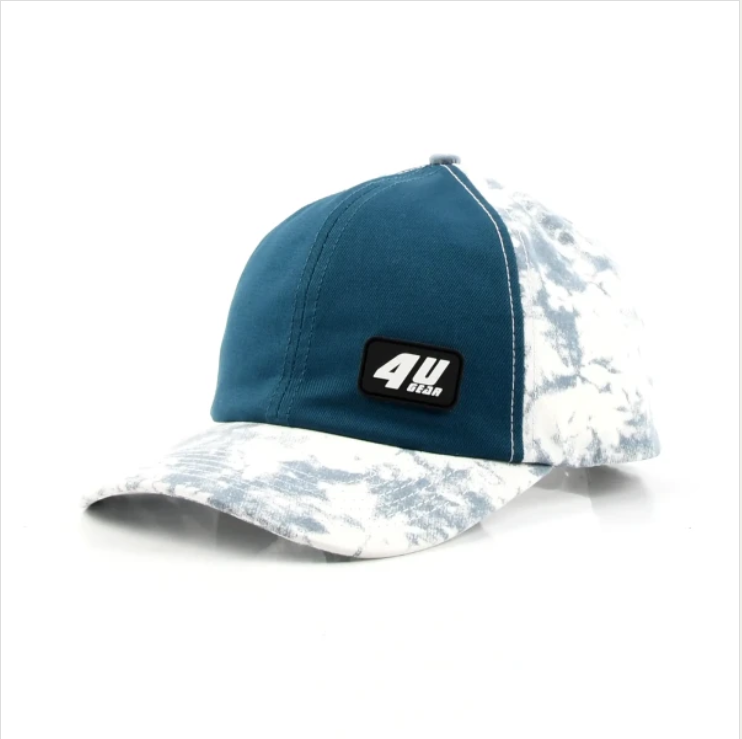
Traditional caps rely on multiple fabric panels stitched together, which can create pressure points when you pick up the pace. This design removes those seams entirely, letting the material wrap smoothly around your head. The result is a cap that feels like it's not there, even during long runs or intense training sessions.
The fabric itself stretches in multiple directions, so it adjusts to your movement rather than fighting against it. Whether you're sprinting, jumping, or shifting your head to check traffic, the cap stays put without tightness. Sweat-wicking fibers keep moisture moving away from your skin, and the absence of bulky seams means less irritation around the forehead and temples.
For anyone who's dealt with hats that slip or dig in mid-stride, this cap offers a noticeable difference. It's light enough to forget you're wearing it, yet secure enough to trust on a windy day. The stitch-free build also holds up well after repeated washes, maintaining its shape and flexibility over time.
How Unstructured Brims End the Mid-Run Adjusting Game
Traditional structured caps rely on stiff buckram or plastic inserts to hold their shape. That rigidity feels fine on a shelf, but the moment you hit stride, every bounce and gust of wind turns the brim into a lever that shifts the whole hat forward or sideways. Unstructured brims ditch that internal frame entirely. The soft, pliable front panel rests naturally against your forehead and moves with your body instead of fighting it. Without a hard edge digging in or catching airflow, the hat stays put through intervals, tempo changes, and long downhill stretches.
The real difference shows up after mile three, when sweat and heat make most runners reach for the brim. A structured cap needs constant micro-adjustments because its fixed curve can't adapt to the angle of your head or the changing sweatband tension. An unstructured brim absorbs that variability. It molds to your unique crown shape after a few wears, creating a custom fit that stays stable even when you're grabbing a quick drink or glancing at your watch. You stop fiddling with the hat and start forgetting it's there, which is exactly the point.
This isn't just a comfort upgrade; it's a focus saver. Every second spent tugging a brim back into place breaks your rhythm and pulls attention away from breathing, cadence, or traffic awareness. By removing the rigid structure that causes drift, unstructured brims eliminate the source of the problem rather than treating the symptom. Once you experience a long run without a single brim adjustment, going back to a stiff crown feels like running with a piece of cardboard strapped to your forehead.
A Running Cap That Forgets It's on Your Head
You know that moment mid-run when your hat starts to feel like a damp hand pressing down on your scalp? That's the exact problem this cap was built to solve. The fabric is so light it barely registers on a scale, and the laser-cut ventilation strips move air across your forehead with every stride. Sweat evaporates before it has a chance to soak through, so the brim stays crisp and the fit stays put without cinching tight.
Most caps announce themselves with a stiff band or a scratchy inner seam. This one uses a bonded edge instead of stitching, which means nothing digs into your temples even after an hour of tempo work. The adjustable closure hides away flat, so there's no plastic tab bouncing at the back of your head. You'll reach up mid-run expecting to adjust it, and realize you never thought about it once.
By the time you're cooling down, the cap has done its job without a single distraction. It doesn't flop, it doesn't ride up, and it doesn't leave a red line across your skin. That's the whole point—a running cap that gets out of its own way and lets your head stay in the run.
From Easy Jogs to Race Pace, Zero Bounce and Zero Pinch
Whether you're easing into a slow jog or pushing toward race pace, the last thing you need is a sports bra that can't keep up. This one locks everything in place without that stiff, compressed feeling. As your stride opens up, there's no bounce to distract you, and you won't catch yourself adjusting the straps mid-run. It moves with your body instead of fighting against it.
The real difference comes from how the straps and band work together. They spread pressure evenly across your shoulders and ribcage, so nothing digs in or slides around. After a long interval session, you won't find red pinch marks or sore spots. In fact, you'll probably forget you're wearing it—until you notice you haven't thought about your bra once during the entire workout.
The Professional-Grade Cap That Bends to Your Head, Not the Other Way Around
Most caps treat your head like a fixed mold—if the shape is off, you feel it all day. This one works in reverse. The crown and brim are built around a flexible core that reads the contour of your skull and gives instead of pushing back. You'll forget you're wearing it until someone asks where you got it.
That give isn't a sign of flimsiness. The exterior uses a dense, matte-finish cotton blend that shrugs off daily wear, while the inner band is lined with a low-profile memory foam that compresses exactly where you need it and springs back when you take it off. No Velcro strips, no plastic snaps digging in, just a quiet, even hold that stays put through a full shift or a cross-country flight.
FAQ
The biggest difference is the crown construction. Unstructured caps lack the stiff buckram or internal support layers found in traditional baseball caps, so they mold to your head instead of sitting on top of it. This gives a lower, more streamlined profile that doesn't catch wind as easily. Professional versions also use technical materials—like laser-cut ventilation, moisture-wicking headbands, and featherweight fabrics—that you won't find on a cotton game-day hat.
They solve three persistent problems at once: sweat control, sun glare, and overheating. The soft crown lets the cap hug your scalp and absorb moisture without becoming a heavy, soggy mess. A well-designed brim shades your eyes without blocking your upward view, and the lack of internal structure means you can stuff the cap into a pocket mid-run when the clouds roll in. Serious runners value that versatility over style alone.
Look for a blend of polyester and elastane with a mesh or perforated back panel. Pure cotton is a trap—it soaks up sweat, gets heavy, and takes forever to dry. Nylon can work if it's ultra-thin and treated for quick drying, but polyester blends are the sweet spot because they move moisture off your skin and dry while you're still moving. Also check that the inner headband isn't just a strip of foam; a microfiber or silicone grip band will keep sweat from dripping into your eyes.
Indirectly, yes. It won't make you faster in a lab test, but if it keeps sweat out of your eyes for 10 miles and blocks glare without making your head overheat, you'll run more relaxed and waste less energy wiping your face or squinting. That translates to better pacing and fewer distractions, especially on long training runs or race day. Think of it as a comfort tool that removes friction from your focus.
First, weight—anything over 50 grams feels bulky. Second, a curved or semi-rigid brim that holds its shape when wet. Third, reflective details if you run at dawn or dusk. Fourth, an adjustable closure that doesn't create a pressure point; Velcro is reliable but can snag hair, while a low-profile buckle or elastic drawcord is often better. Finally, make sure the crown is deep enough to stay on in wind but not so deep it rides down over your ears.
Hand wash it in cool water with a tiny bit of mild detergent. Gently squeeze the fabric—don't wring or twist, because that can break down the brim's internal padding. Rinse thoroughly and press out excess water with a towel, then let it air dry on a rounded surface like a ball or a bowl to keep the crown from collapsing. Avoid the washing machine and dryer; the agitation can warp the brim and fade reflective prints fast.
They're not just for hot weather. In winter, a lightweight unstructured cap works as a base layer under a beanie or a hood, wicking sweat before it can chill your scalp. Some versions come with a water-resistant shell and a brushed fleece lining for cold rain or snow. The key is to look for a cap with a slightly deeper crown and a soft brim that can flex under a headlamp strap. For sub-zero runs, pair it with ear warmers rather than relying on the cap alone.
Start with the cap sitting just above your eyebrows, then tighten the closure until you can slide one finger underneath the band without it feeling loose. The cap should stay put when you shake your head side to side, but you shouldn't feel any pinching at the temples or back. If the closure is a drawcord, tie a small loop knot instead of a bow so it doesn't come undone mid-stride. For elastic bands, watch out for over-stretching—replace the cap once the band loses its snap and starts riding up.
Conclusion
Most runners have wasted miles fighting their gear—tugging brims, adjusting tight seams, or dealing with that annoying bounce on every footfall. Professional unstructured running caps flip that script completely. With a soft, pliable crown and no stiff internal framework, the cap molds to your head instead of sitting on top like a plastic shell. There are no pressure points digging into your temples, no rigid edges chafing after an hour, and no constant need to yank the brim back into place. The stitch-free construction is the quiet hero here: by eliminating bulky seams where panels meet, the interior stays smooth against your skin, even when sweat soaks through. That means the cap moves with your stride, not against it, and you never hit that mid-run moment where you have to stop and fiddle with the fit.
What really sets this style apart is how quickly it disappears from your awareness. Once it warms to your body heat and takes the shape of your skull, it practically vanishes—no pinching at the temples, no sliding down your forehead, no bouncing on downhills. From easy recovery jogs to race-pace intervals, the cap stays put without squeezing, because it bends to your head rather than forcing your head to fit a preset mold. That professional-grade adaptability is why serious runners reach for unstructured caps as a daily essential, not a novelty. It’s one less variable to manage on the road, and one more reason to focus entirely on the miles ahead.
Contact Us
Contact Person: Tommy
Email: [email protected]
Tel/WhatsApp: 8613546956008
Website: https://www.4ugearsupply.com/