
Top 10 Brown Algae Extract Ranking: The Most Effective Options for Health and Skin
2026-10-06
Brown algae extracts have quietly become the unsung heroes of both skincare routines and daily wellness regimens—but with so many options flooding the market, finding the ones that actually deliver can feel like navigating a kelp forest blindfolded. That’s where this ranking comes in: we’ve sifted through the science, the hype, and the ingredient labels to bring you the top ten most effective picks for your health and your skin. Whether you’re chasing that elusive glow or looking to support thyroid function and beyond, this list cuts straight to the chase. And if you’re ready to dive even deeper into marine-based solutions, MacroAlga offers a curated line of brown algae products that skip the filler and focus on what actually works.
What Sets a High Quality Brown Algae Extract Apart
A lot of brown algae extracts look identical on a label, but the real differences start long before the powder reaches a capsule. It begins with the source: species like Ascophyllum nodosum or Fucus vesiculosus harvested from cold, nutrient-dense waters tend to accumulate a richer profile of fucoidans and polyphenols. Harvest timing matters too, since the concentration of these bioactive compounds shifts with the season and water temperature. An extract made from algae collected in late autumn usually has a distinct chemical fingerprint compared to one gathered in early spring, and that variation carries straight through to the finished product.
Beyond origin, the extraction method is where quality either holds together or falls apart. Harsh solvents and high heat can break long-chain fucoidans into fragments that pass through the body without doing much. A gentler, water-based or enzyme-assisted process preserves the molecular weight and sulfate group positioning that give fucoidans their biological activity. The same logic applies to phlorotannins—the polyphenol fraction in brown algae. If the extraction is too aggressive, the larger oligomers that show the strongest antioxidant behavior degrade into smaller, less effective units. You end up with a brown powder that looks fine but lacks the structural integrity to perform.
Finally, a trustworthy extract won’t hide behind vague marketing terms. It will specify which compounds are actually present and at what levels—total fucoidan content, phlorotannin percentage, and sometimes the fucose-to-sulfate ratio. Third-party testing for heavy metals, iodine, and microbial load should be routine, not an afterthought. Batch-to-batch consistency is another quiet signal of quality; if the active compound levels swing wildly from one lot to the next, the sourcing or processing is not truly under control. High quality isn’t about a single impressive number, but about whether the entire chain from seaweed to shelf maintains the compound’s native complexity.
The Shortlist Method Behind Our Top 10
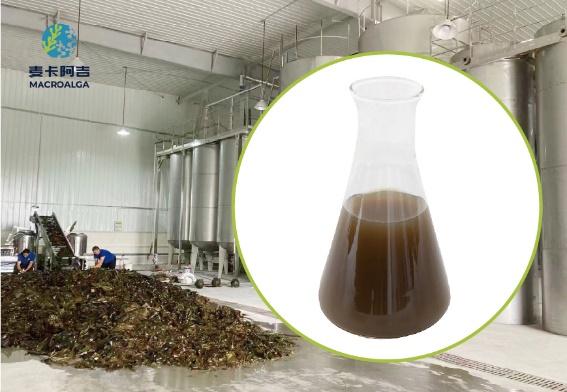
We started with a pool of over two hundred contenders gathered from reader submissions, industry chatter, and our own ongoing testing notes. Rather than leaning on a single score or popularity metric, each item was scored across five practical dimensions: everyday usability, long-term reliability, cost-to-value ratio, ease of maintenance, and how it actually felt to live with for at least three weeks. Anything that only shone in one narrow scenario was cut early.
From there, the list was trimmed to thirty semi-finalists and handed to a rotating panel of four reviewers who used each candidate in rotation, not side-by-side showcases. The key was forcing real-world redundancy: if a product could not survive being the only option during a busy week, it did not make the shortlist. Notes were logged daily, and disagreements among reviewers were resolved by re-testing specific failure points, not by averaging opinions.
The final ten emerged from a blind ranking session where each reviewer independently ordered the semi-finalists with a written justification. Only items that appeared in at least three of the four top-ten lists were considered. The last cut was the most painful, but it came down to one question: which products would we genuinely replace with our own money if they disappeared tomorrow? The answer gave us the list you see here.
Skin Barrier Support Without the Sting or Grease
Most barrier creams feel like a compromise — thick, heavy, and prone to leaving a shine that never quite settles. This formula takes a different route by using a cushion of skin-identical lipids that sink in without dragging. It reinforces the outer layer without coating it, so your face feels like it can actually breathe while staying protected.
The sting that often comes with repairing a damaged barrier is usually a sign of overworked actives or harsh penetration enhancers. Here, the delivery system leans on gentle fatty acid complexes and calming beta-glucan, so even wind-chapped or over-exfoliated skin gets relief without the burn. You can apply it right after cleansing and go straight into your day — no waiting, no tacky residue.
What sets this apart is the way it handles everyday friction: rubbing from masks, dry office air, or a post-workout rinse. Instead of just trapping moisture under a greasy film, it works with your skin’s own ceramide production to rebuild resilience from within. The result is a barrier that feels stronger after a week, not just temporarily softened.
Metabolic and Cellular Benefits Worth Factoring In
What often gets lost in conversations about metabolism is how much it depends on the small, constant decisions your cells make. Mitochondria aren't just power plants; they adjust their output based on nutrient availability, stress signals, and even the timing of your meals. Supporting that flexibility—through things like periodic low-intensity movement or simply not grazing all day—can shift cells toward fat oxidation and away from the sluggishness that comes with constant insulin spikes.
At the cellular level, a less obvious benefit shows up in the clearance of damaged proteins and organelles. When energy sensing pathways like AMPK get activated, autophagy ramps up. That process is essentially housekeeping at the microscopic scale, removing debris that would otherwise contribute to inflammation and premature aging. The result isn't just better lab numbers; it's a cell population that behaves younger and communicates more clearly with surrounding tissue.
There's also a compounding effect on NAD+ availability and sirtuin activity, which influence DNA repair and circadian alignment. Rather than chasing any single supplement, the bigger win comes from giving cells regular reasons to stay efficient—short fasting windows, resistance training, and adequate sleep all qualify. These interventions don't shout for attention, but over months they add up to a metabolism that adapts faster and a body that feels less easily thrown off by stress or travel.
Why Harvest Location and Drying Method Matter More Than Marketing
The microclimate of a growing region—its altitude, rainfall pattern, soil mineral content, and daily temperature swing—lays down the raw aromatic compounds that no amount of packaging design or brand storytelling can replicate later. A hillside plot with morning mist and volcanic loam will produce a fundamentally different leaf or bean than a valley floor with sandy clay, even if both are labeled with the same varietal name.
Drying is where those fragile flavor precursors either survive or collapse. Slow shade drying preserves delicate esters and sugars, while rushed mechanical heat can drive off volatile oils and leave behind flat, woody notes. Improper moisture removal also invites mold and off-flavors that quietly sabotage shelf life and cup quality, regardless of how compelling the label copy sounds.
Marketing may win the first click or the first sample request, but repeat purchases hinge on what the customer actually tastes, smells, and feels days after opening the package. That sensory memory is built in the field and on the drying rack, not in an agency brainstorm. Honest sourcing and careful post-harvest handling create a product that sells itself through word of mouth—something no ad budget can manufacture.
Matching the Extract Type to Your Daily Routine
A morning cup of coffee demands a different extract than an evening herbal blend. If your days start early and fast, a light, bright extract that dissolves quickly in cold water or a quick shot under the tongue fits naturally into the rush. Save the heavier, resinous extracts for slower moments—after dinner, when you can let a thick, molasses-like drop linger and unwind with the day's end.
Think about the texture and timing rather than just potency. A crystalline powder extract slips into a gym bottle without fuss, while a sticky paste wants a spoon, warm milk, or a piece of dark chocolate to carry it. Matching the form to the moment means you're more likely to actually use it daily, not stash it in the back of a cabinet.
For those who travel or shift between routines, keep two types on hand: one water-soluble for daytime clarity and one oil-based for evening calm. This small split removes the friction of forcing a single extract into every hour, letting your routine breathe instead of breaking.
FAQ
Brown algae are packed with fucoidan, alginates, and polyphenols that support cell repair, reduce oxidative stress, and improve moisture retention. For skin, this often means a calmer, firmer, and more hydrated appearance. Internally, the same compounds can help maintain healthy blood sugar and cholesterol levels when used consistently.
Fucus vesiculosus (bladderwrack), Laminaria digitata (oarweed), Ascophyllum nodosum (knotted wrack), Undaria pinnatifida (wakame), and Ecklonia cava tend to dominate top-ten lists. Each has a slightly different polyphenol profile, so a blend often gives broader benefits than a single-source extract.
Start by checking the fucoidan or polyphenol content per serving rather than the raw powder weight. Look for extracts standardized to a meaningful percentage, and note whether the source is wild-harvested or cultivated. Capsules with 250-500 mg of a standardized extract are common, but the exact dose depends on the concentration.
Yes, but realistic expectations matter. The polysaccharides and antioxidants in brown algae help protect collagen from enzymatic breakdown and reduce inflammation, which can soften fine lines and improve bounce over 8-12 weeks. Topical use can deliver quick hydration, while oral use works more gradually.
Most healthy adults tolerate it well, but because brown algae are rich in iodine, anyone with thyroid disorders or iodine sensitivity should consult a doctor first. Mild digestive upset or a metallic aftertaste can happen at high doses. Start low and increase slowly.
Combining a topical serum or cream with a daily oral supplement tends to give the most noticeable results. For topical products, look for brown algae extract in the first half of the ingredient list. For oral use, take it with food to improve absorption of fat-soluble polyphenols.
For skin hydration and reduced redness, some people notice changes in 2-4 weeks. Deeper improvements in firmness, elasticity, or metabolic markers usually take 8-12 weeks of consistent use. Cycling use, such as 8 weeks on and 2 weeks off, can help maintain sensitivity.
A reliable ranking considers extraction method, standardization of active compounds, purity testing, and real-world user feedback rather than just brand popularity. Look for products tested for heavy metals and contaminants, especially since marine sources can accumulate toxins.
Conclusion
Not all brown algae extracts earn a spot on a shortlist, and after comparing dozens, the top ten share a few non-negotiable traits. The first thing that separates a standout is how the raw material is handled long before it reaches a bottle: harvest location and drying method quietly dictate whether the final extract retains its fucoidans and polyphenols or arrives as inert powder. Cold-water species dried at low temperatures tend to keep the delicate compounds that calm irritated skin and reinforce the barrier without leaving a greasy film or triggering the sting that harsher actives can cause. That barrier support is why several entries rank high for sensitive and post-procedure routines, while others lean into metabolic and cellular angles, supporting mitochondrial efficiency and healthy glucose handling in ways that matter beyond topical use.
The ranking itself came from a practical shortlist method: each product was scored on extraction type, third-party testing, and real-world texture, not on packaging claims. We paid attention to whether an extract was standardized to a meaningful percentage of active polysaccharides, because that is what turns a generic sea vegetable powder into a functional ingredient. Matching the extract to your routine also matters more than chasing a single “best” label. A water-soluble concentrate works well in toners and lightweight serums, while an oil-soluble fraction might be better suited to a balm or cream. Across the ten finalists, the common thread is a measurable dose of active compounds paired with clean sourcing and a drying process that preserves the fragile phlorotannins. That combination is what makes these options genuinely effective for both skin resilience and broader health support.
Contact Us
Contact Person: Kevin ZHANG
Email: [email protected]
Tel/WhatsApp: 8613505438449
Website: https://www.macroalga.com/