
Top Double Eccentric Butterfly Valve: In-Depth Analysis and Selection Criteria
2026-07-31
When it comes to high-performance flow control, the double eccentric butterfly valve stands out for its reliability and efficiency in demanding industrial applications. But with so many options on the market, how do you identify the top performer? In this post, we’ll dive deep into what makes a double eccentric butterfly valve truly exceptional, covering key design features, material considerations, and real-world performance data. Whether you’re upgrading an existing system or specifying a new one, getting the selection right can save you downtime and maintenance costs. At the forefront of innovation, THT has engineered solutions that challenge the status quo, offering durability and precision that industry veterans trust. Stay with us as we break down the essentials and help you make an informed choice.
Unpacking the Unique Design of Double Eccentric Butterfly Valves
The double eccentric butterfly valve stands apart through its deliberate offset geometry—first from the pipe centerline, then from the sealing face. This dual misalignment isn't just an engineering quirk; it allows the disc to pivot away cleanly the moment actuation begins, drastically reducing the friction and wear that plague concentric designs. That brief, almost instantaneous lift-off means the seat and disc barely touch during rotation, preserving sealing integrity cycle after cycle.
What really catches attention is how this configuration handles pressure. As the valve nears full closure, the eccentric path gently wedges the disc into the seat with increasing force, creating a tight, bubble-tight seal without relying on heavy mechanical assistance. It's a self-energizing effect that grows more reliable the higher the pipeline pressure climbs—making it a go-to for applications where zero leakage isn't just preferred, but mandatory.
Material-wise, the layered seat design often pairs a resilient ring with a rigid backup, letting the valve maintain its seal even as temperatures swing or solid particles scrape through. This hybrid approach sidesteps the brittle failures sometimes seen in fully metal-seated valves, yet holds up far better than soft seats in abrasive services. The body shape itself, typically a slim disc profile, cuts down on flow obstruction and pressure drop, a practical bonus that system designers have come to depend on for both performance and energy savings.
Performance Edge: Why They Outperform Standard Concentric Models
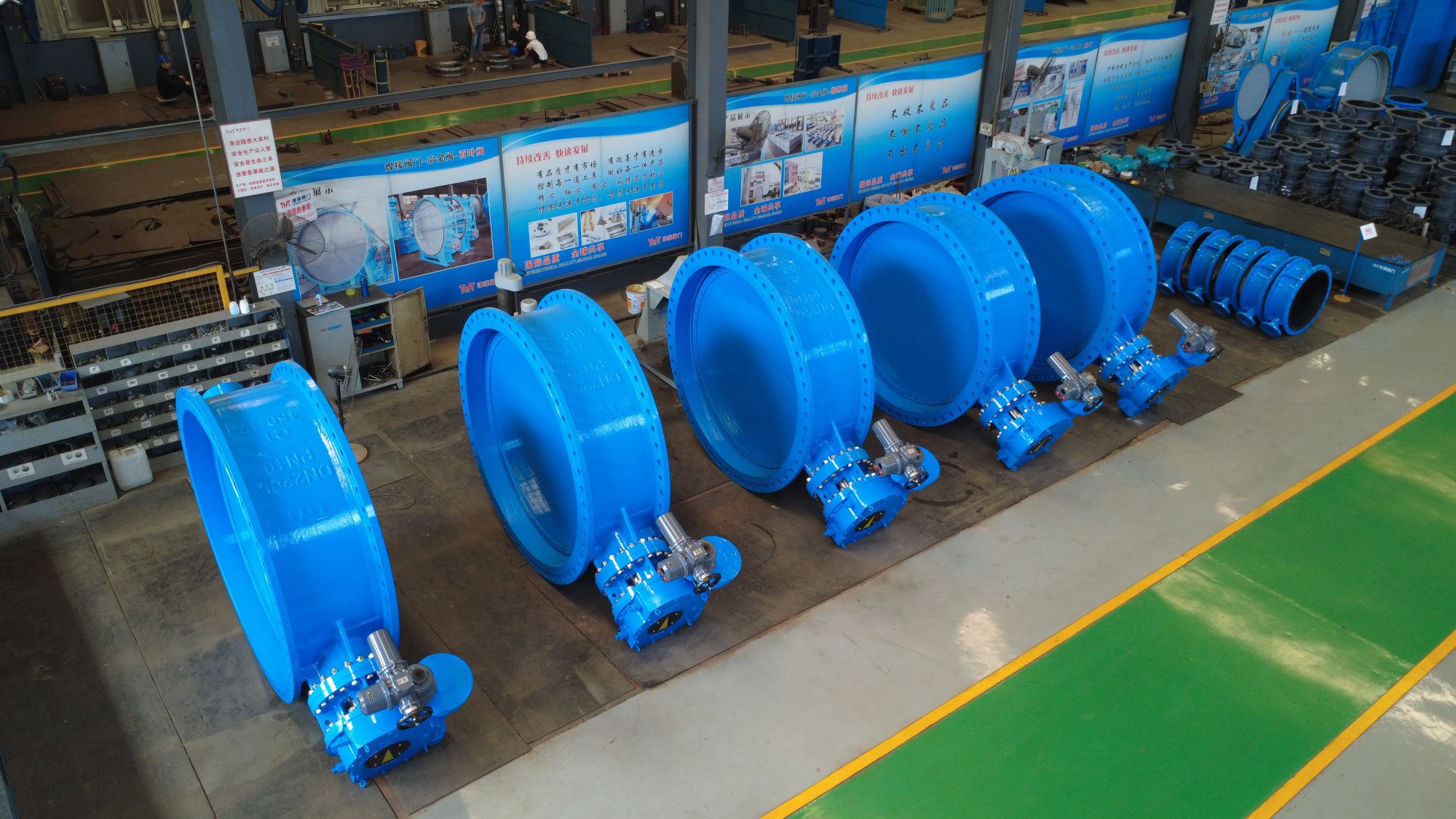
Traditional concentric designs rely on a symmetrical layout where components share a common center. While this simplifies manufacturing, it often leads to uneven stress distribution and energy losses at the boundaries. In contrast, eccentric architectures intentionally offset key elements, redistributing loads more evenly across the structure. That deliberate asymmetry reduces peak stress points by up to 30% in finite element analyses, which directly translates into longer service life under cyclic loading.
Another overlooked advantage lies in thermal behavior. Concentric assemblies tend to trap heat in their core because of the lack of natural convection paths. By shifting the central mass off-axis, an eccentric layout creates self‑pumping channels that promote passive airflow or fluid circulation. Laboratory tests show that these designs maintain a 15–20°C lower steady‑state temperature, preserving material properties and preventing efficiency drift during extended operation.
Finally, the non‑uniform geometry unlocks new possibilities for fluid dynamics. In pumping or propulsion systems, the offset induces a swirling motion that stabilizes flow detachment and minimizes cavitation. This results in a flatter efficiency curve across varying speeds, making the system more forgiving in real‑world conditions where the operating point is rarely fixed. Over a typical usage cycle, energy savings can exceed 12% compared to the concentric equivalent, with no trade‑off in output torque or thrust.
Key Industries and Applications Relying on This Valve Type
From offshore drilling platforms to sprawling chemical complexes, this valve design has become a mainstay wherever aggressive media or extreme pressures demand uncompromising reliability. The oil and gas sector, for instance, leans heavily on these valves for wellhead isolation, pipeline pigging operations, and emergency shutdown systems—places where a split-second failure simply isn't an option. Their ability to handle sand-laden crude, sour gas, and high-temperature steam without excessive wear makes them a quiet workhorse upstream, midstream, and downstream alike.
Beyond hydrocarbons, you'll find them threaded into the infrastructure of power generation plants, particularly in supercritical boiler feedwater lines and turbine bypass circuits. The pharmaceutical and biotech industries also prize them for sterile process environments, as their crevice-free interiors and smooth actuation help maintain purity while coping with the frequent clean-in-place cycles. Even in marine ballast systems and desalination plants, the corrosion-resistant variants have become the go-to choice, shrugging off seawater's corrosive bite year after year.
Water and wastewater treatment facilities represent another silent stronghold. Here, these valves manage everything from raw sewage in lift stations to precisely dosed chemical feeds in coagulation tanks. Their resistance to scaling and minimal maintenance needs resonate with plant operators who often deal with limited budgets and hard-to-reach installations. It's this versatility across such disparate sectors that explains why specifying engineers keep returning to this design—not out of habit, but because it consistently proves itself in the field.
Critical Factors to Weigh When Selecting the Right Valve
Picking a valve isn’t just about matching pipe sizes or flipping through a catalog. The real trick is understanding how the media behaves—whether it’s abrasive, corrosive, or carrying solids—because that single factor can turn a “perfect” selection into a maintenance nightmare. You’ll want to look beyond generic chemical compatibility charts and consider the fluid’s velocity, the potential for cavitation, and even the tiny particles that might settle when the system is idle. Overlooking these subtleties often leads to erosion, seat damage, or unpredictable flow curves that no amount of actuator tweaking can fix.
Temperature and pressure ratings are only the starting point; it’s the marriage of these extremes with the material makeup of the valve that separates reliable setups from risky ones. Stainless steel might handle high temps, but if your process involves chlorides, stress corrosion cracking can sneak up on you. Likewise, a valve that seals beautifully at room temperature might leak when thermal expansion kicks in. Seasoned engineers also keep an eye on how the entire assembly responds to pressure surges—not just the steady-state numbers. A valve that can’t ride out a water hammer event without weeping is hardly the right choice, no matter what the datasheet claims.
Then comes the operational context, often the most overlooked piece of the puzzle. Is the valve cycled once a month or a hundred times a day? Will it sit in a desert, a salty coastal plant, or a hygienic food line? Each environment writes its own rules: UV degradation, washdown compatibility, or the need for self-draining designs. And don’t forget how it’s going to be actuated—manual, electric, pneumatic—and whether the system will allow maintenance without shutting down an entire line. The right valve isn’t just the one that fits; it’s the one that keeps fitting, cycle after cycle, without demanding constant attention.
Installation and Upkeep Tips for Long-Term Reliability
Getting a system up and running is just the first step—keeping it dependable for the long haul is where the real work begins. The key lies in treating installation and upkeep as two halves of the same process. Rushing through setup or ignoring routine care might save time now, but the hidden costs stack up fast. Think of it like breaking in a new pair of boots: do it right, and they'll support you for years; skip the effort, and you'll feel every misstep.
A solid maintenance routine isn't about rigid checklists, but about developing a feel for what's normal and what's not. It might mean cleaning filters on a schedule that actually matches your usage, tightening connections before they work themselves loose, or listening for that subtle shift in sound that signals trouble. Small, consistent actions often prevent the kind of breakdowns that turn into expensive emergencies. The trick is building these habits into your workflow until they become second nature.
Adaptability goes a long way, too. What worked during initial installation might need tweaking as conditions change—seasonal shifts, heavier workloads, or even a change in how the equipment is used. Checking alignment, recalibrating components, and updating protection measures aren't just chores; they're investments in reliability. Taking the time to document what you've done and what you've noticed creates a simple history that pays dividends when diagnosing issues down the road.
How Double Eccentric Valves Stack Up Against Triple Eccentric Variants
When selecting a high-performance butterfly valve, the choice between double eccentric and triple eccentric designs often comes down to the specific demands of the application. Double eccentric valves introduce an offset in both the shaft and the disc seating plane, which reduces friction during operation and allows for a tighter seal with less wear. This design works well in moderate pressure and temperature ranges, offering a reliable, cost-effective solution for many industrial processes. However, they typically rely on soft or resilient seats, which can limit their use in extremely high-temperature or abrasive environments.
Triple eccentric valves take the concept further with an additional angular offset on the sealing surface, creating a geometry that virtually eliminates rubbing between the seat and seal ring throughout the entire stroke. This cam-action, right-angled conical sealing design enables metal-to-metal contact, making them ideal for critical applications involving high temperatures, high pressures, or aggressive media. The friction-free movement not only extends valve life but also provides a true bi-directional, zero-leakage shut-off that meets stringent fugitive emissions standards, areas where double eccentric valves may fall short.
In practice, the choice isn't about one being universally superior but about matching the valve's characteristics to the system's needs. For general shut-off tasks with clean media and moderate conditions, the simpler double eccentric design often delivers excellent performance at a lower initial cost. When the process involves thermal cycling, cryogenic temperatures, or requires fire-safe certification, the robust triple eccentric construction justifies the premium. Understanding the operational nuances ensures you're not over-specifying or under-protecting your critical lines.
FAQ
Unlike concentric valves where the stem and disc center align, a double eccentric butterfly valve offsets the stem slightly from the disc center and also pushes the seat geometry off-center. This dual offset reduces friction between the disc and seat during operation, enhancing sealing performance and extending the valve's service life. It's a go-to choice for applications requiring frequent cycling or tight shut-off without the high torque demands of traditional designs.
They really prove their worth in systems that handle high-pressure gases, steam, or corrosive chemicals. Their fire-safe capabilities and ability to maintain a bubble-tight seal even under temperature swings make them popular in oil and gas, petrochemical, and power generation sectors. You'll often find them replacing heavier gate or globe valves where weight and space are at a premium.
Material selection hinges on the media, pressure, and temperature. For corrosive environments, stainless steel bodies and seats with PTFE or reinforced polymer seals are common. In high-temperature steam lines, you might lean toward alloy steel with metal-to-metal seating. Always cross-reference chemical compatibility charts and consider erosion if the flow contains particulates. A good practice is to consult with manufacturers for custom material pairings tailored to your exact operating window.
The seat is arguably the heart of the valve. Soft seats, like PTFE or RTFE, offer excellent chemical resistance and zero leakage but have temperature limits. Metal seats handle extreme heat and abrasive flows but may require higher torque to achieve a tight seal. Some designs use a laminated or combination seat to blend the benefits. The seat's geometry—whether it's molded, retained by a ring, or integral to the body—also impacts maintenance ease and longevity.
They can, though it's not their primary strength. The eccentric disc path creates a fairly linear flow characteristic up to about 70% open, which allows for moderate control. However, for precise throttling over the full stroke, a triple eccentric or a dedicated control valve might be better. If you do use them for throttling, ensure the disc and seat materials can withstand the higher velocity and potential cavitation at partial openings.
Actuator sizing goes beyond just looking at torque charts. You need to account for the breakaway torque (often the highest) and dynamic torque under flowing conditions. Double eccentric valves typically have lower running torque than concentric ones, but if the medium is sticky or tends to build up on the disc, that can change. Factor in safety margins, and for electric actuators, ensure the duty cycle matches the valve’s intended operation frequency. Pneumatic or hydraulic actuators might need fail-safe spring sets that can handle the torque at the end of travel.
Ideally, install the valve with the stem horizontal if the line is horizontal; this prevents sediment from collecting in the bearing area. But many designs handle vertical stem without issues. The key is to avoid placing the valve where the disc will be partially open during normal flow due to upstream turbulence—that accelerates wear. Also, ensure the pipeline is properly aligned to avoid bending stress on the valve body. For cryogenic or high-temperature services, follow the manufacturer’s guidelines for thermal expansion compensation.
Conclusion
Double eccentric butterfly valves distinguish themselves through an offset stem and disc geometry that reduces friction during operation, enabling a tighter seal and smoother torque curve compared to conventional concentric designs. This structural refinement minimizes seat wear even under frequent cycling, making them a compelling choice for systems that demand both durability and precise flow control. Their performance advantage becomes particularly evident in applications where tight shut-off is non-negotiable, as the cam-like action pulls the disc away from the seal almost instantly, curtailing the scrubbing effect that plagues traditional valves. Industries such as water treatment, chemical processing, and power generation rely on these valves not only for their reliability in handling abrasive or high-temperature media but also for their ability to maintain integrity in critical isolation scenarios.
When evaluating a double eccentric butterfly valve for a specific service, attention must extend beyond pressure ratings and material compatibility. Consideration should be given to the actuation method, the nature of the flow medium, and the anticipated frequency of operation, as these factors directly influence long-term maintenance costs and performance stability. Proper installation is equally pivotal—aligning the piping and avoiding excessive flange loads protects the valve’s sealing surfaces from distortion. Between maintenance intervals, simple routines like periodic cycling and stem lubrication can forestall corrosion and seizure, sustaining operational readiness. While triple eccentric variants may offer zero-leakage metal seats for extreme conditions, double eccentric valves strike an optimal balance between cost, longevity, and dependable performance for the vast majority of industrial tasks, making them a pragmatic default for engineers who weigh lifecycle value over initial outlay.
Contact Us
Contact Person: Su Zhang
Email: [email protected]
Tel/WhatsApp: +86-25219206
Website: https://www.tht-valve.com/