
Top Radial Artery Compression Devices for Optimal Hemostasis and Patient Comfort
2026-09-15
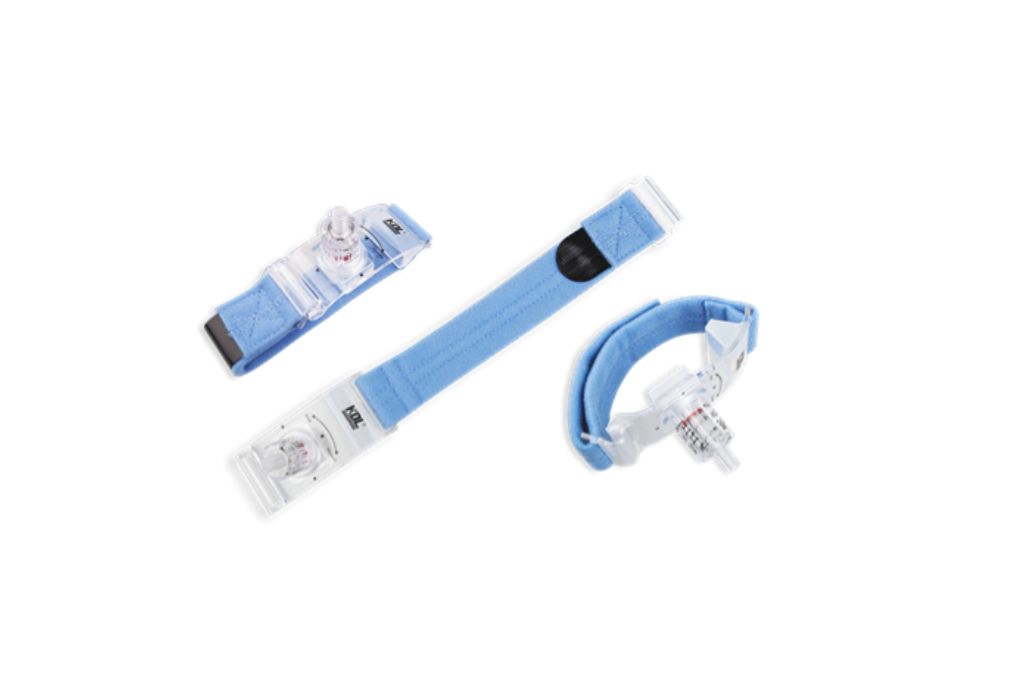
Radial artery access has transformed interventional cardiology, but a procedure's success isn't complete until the access site is safely sealed. Compression devices that balance reliable hemostasis with genuine patient comfort are hard to find—and even harder to choose among. In this roundup, we look at top options, including the INT radial compression device, which has been gaining attention for its thoughtful design. Read on to see what sets the best apart.
Rethinking Radial Artery Compression From the Patient's Perspective
When the procedure ends and the catheter is withdrawn, the focus shifts almost entirely to the wrist. For many patients, the compression device feels less like a medical necessity and more like an uninvited clamp that dictates every small movement. The hours that follow are often remembered not for the relief of a successful angiography, but for the throbbing ache under the plastic band, the awkward positioning of the arm, and the constant low-grade worry about whether the device is too tight or too loose. From the patient's chair, this is not a passive recovery period—it is an active negotiation with discomfort, where every adjustment of the hand or shift in posture triggers a fresh calculation of pain versus stability.
What gets lost in clinical discussions of patent hemostasis and time-to-ambulation is the lived texture of those hours. The patient is told to keep the arm straight, to avoid flexing the wrist, to report numbness or color changes—yet the instructions often arrive as a rapid checklist while the sedative fog is still lifting. Compression is framed as a technical step, but for the person wearing the device, it is an intimate test of endurance. They notice how the strap digs into the skin at the edges, how the transparent window fogs with sweat, how the pulse under the device feels suddenly foreign and loud. Some patients quietly count minutes until removal; others invent tiny mental games to distract from the sensation of a foreign object pressing against a freshly punctured artery.
Rethinking compression from the patient's perspective means recognizing that comfort is not a luxury add-on—it is a core part of the recovery experience. A device that achieves hemostasis but leaves a bruise the size of a plum, or a protocol that prioritizes speed over sensory feedback, may look efficient on paper yet fail where it matters most. Patients often form their judgment of the entire catheterization procedure based on those final hours on the table. A compression strategy that acknowledges skin sensitivity, offers clear pain cues, and allows micro-adjustments without compromising safety could transform a dreaded interval into a manageable pause. The challenge is not merely mechanical; it is about designing for the person who must live inside the device, not just the artery beneath it.
The Pressure-Perfusion Trade-Off No One Talks About
Raising mean arterial pressure sounds like the obvious fix when a patient looks underperfused. Push the pressure up, force more blood through the organs, and hope the numbers climb back to something reassuring. Yet few bedside discussions acknowledge how quickly that logic breaks down. The very intervention meant to improve perfusion can quietly choke the microcirculation, especially in beds that were already struggling before the vasopressors started.
Most protocols treat pressure as a proxy for flow, but the two drift apart under stress. A constricted arteriole will show a lovely number on the monitor while downstream capillaries starve. This gap rarely gets named in rounds because it complicates a clean narrative. Instead, teams chase a threshold, document stability, and move on, leaving the subtle mismatch between a decent blood pressure and actual tissue oxygen delivery unexamined.
The trade-off becomes most visible in fragile circulations: the gut, the kidney, the already-injured brain. What protects one region can quietly steal from another, and the harm often shows up hours later as an unexplained lactate rise or a creatinine drift. Until routine monitoring starts looking past the arterial line and toward capillary-level perfusion, this tension will remain one of those uncomfortable truths that everyone senses but no one puts on the problem list.
Why Some Wristbands Feel Better Than Others: Design Details That Matter
The material choice sets the baseline for comfort. Soft, medical-grade silicone flexes with your wrist instead of fighting it, while a subtle texture prevents that sticky feeling after a sweaty workout. Cheaper rubber bands often feel either too rigid or too slick, leaving red marks by the end of the day.
Edge finishing matters just as much as the surface. Rounded corners and heat-sealed seams stop sharp cuts from digging into your skin. Some designs go further by adding micro-grooves on the inner side, letting air circulate so sweat doesn't pool and cause itching.
Closure design and weight balance play a quiet but powerful role. A low-profile buckle and a slim keeper ring won't catch on your desk or keyboard, and evenly distributed mass makes the band almost disappear on your arm. These small details determine whether you forget you're wearing it—or count the minutes until you can take it off.
Comparing Devices in the Cath Lab: What the Data Doesn't Show
When two guidewires sit side by side on the table, the spec sheets might read almost identically—same diameter, same tip load, same coating. But the moment they enter a tortuous vessel, the differences emerge. One buckles under a gentle push; the other transmits torque as if it knows where you want to go. None of this shows up in a randomized trial. The data tells you about crossing success rates in a controlled cohort. It doesn't tell you how the device feels in your hand at 2 a.m. when the patient's anatomy refuses to cooperate.
There's also the question of failure modes. A balloon that inflates asymmetrically might still meet pressure specifications on the bench. But in a calcified lesion, that asymmetry can mean the difference between a clean expansion and a dissection. Post-market registries rarely capture these nuances. They log the event—stent deployed, balloon ruptured—not the sequence of small decisions that led there. Experienced operators develop a tactile vocabulary for their tools, a sense of when a microcatheter is about to ovalize or when a stent is hanging up on a strut. That vocabulary is real, but it doesn't translate into p-values.
So when we compare devices, we walk a line between evidence and intuition. The trials matter—they weed out true disasters and confirm basic competence. But the daily choice in the cath lab often hinges on what the data can't articulate: the memory of a case where a particular wire saved you, the feel of a balloon inflating with just the right compliance, the quiet confidence of a catheter that tracks instead of fights. Those things aren't in the abstract. They're in your hands.
Getting Hemostasis Right Without Cutting Off Circulation
Achieving reliable hemostasis while preserving blood flow through the affected vessel remains a core challenge in vascular and trauma surgery. Traditional clamping or ligation can halt bleeding effectively, but at the cost of downstream ischemia and potential tissue loss. Instead, surgeons increasingly turn to techniques that seal the bleeding point without interrupting the lumen. These include suture repair under partial occlusion, the use of local hemostatic agents like oxidized cellulose or fibrin sealants, and temporary intravascular shunts that maintain perfusion while the vessel wall is reconstructed.
One practical approach is the application of direct pressure combined with a flow-preserving patch or wrap. For example, a small side-bite clamp can isolate a lateral injury on a major artery, allowing a running suture or patch angioplasty to close the defect while blood continues to pass through the unclamped portion. In venous injuries or fragile vessels, a bolster of gelatin sponge or a topical thrombin-gelatin matrix can be pressed over the oozing site for several minutes, achieving hemostasis without ever occluding the vessel. This method is particularly useful in cases where collateral circulation is poor or when clamping would risk irreversible nerve or muscle damage.
Beyond mechanical and topical methods, the choice of suture material and needle design influences how well bleeding is controlled without compromising flow. Fine monofilament sutures with a tapered needle minimize tissue trauma and allow precise placement at the bleeding edge, reducing the need for a full circumferential dissection. For anastomotic bleeding after a bypass or an arteriovenous fistula creation, additional stitches are placed only at the leak points rather than re-clamping the entire vessel. This targeted strategy shortens ischemia time, lowers the risk of thrombosis, and often results in a smoother recovery for the patient.
From Bruising to Bleeding: How Compression Choice Changes Recovery
The line between a routine bruise and a worrying bleed often comes down to one overlooked variable: what you wrap the injury with. Standard elastic bandages may feel supportive, but they deliver uniform pressure that can crush fragile capillaries already leaking from the trauma. This isn't just a matter of comfort—it's a mechanical tipping point. Choose a compression sleeve with graduated pressure, and the force tapers from distal to proximal, encouraging venous return without strangling the injury site. Choose a stiff, non-yielding wrap, and you've essentially created a tourniquet effect: blood pools, pressure builds, and a superficial bruise deepens into a subcutaneous hematoma.
Recovery timelines diverge sharply from here. A bruise under appropriate compression might resolve in five days, marked by the classic color shift from purple to green to yellow as macrophages clear the debris. But when compression is wrong, the same initial impact can produce a firm, tender lump that persists for weeks—sometimes requiring drainage. The key is matching the material's stiffness to the tissue's edema phase. Early on, a short-stretch bandage offers high working pressure during muscle contraction but low resting pressure, so it won't cut off circulation while you sleep. Later, switching to a lighter tubular knit supports the lymphatic system without re-injuring fragile new capillaries. That simple swap is what keeps a 'bleeding' bruise from becoming a chronic pain memory.
What most people miss is that compression choice also changes how you perceive pain and move. A poorly fitted wrap creates shear forces every time you flex, tugging at the skin and reopening micro-tears. The result isn't just slower healing—it's a guarded gait or stiff joint that compensates for the wrap, not the injury. Next time you reach for a bandage, ask whether it's sliding, bunching, or leaving deep indentations after removal. Those are signs the compression is working against you, converting a minor bruise into a bleeding complication that physical therapy could have prevented.
FAQ
Releasing pressure too quickly can reopen the puncture and cause a hematoma, while leaving it too high for too long reduces blood flow and raises the risk of radial artery occlusion. A good device allows stepwise deflation, usually every 15 to 30 minutes, so you can monitor for oozing and adjust before removal.
Air-bladder designs distribute force more evenly across the wrist, which helps avoid a single hard pressure point. Screw-type devices give precise, measurable control and work well for gradual release. Plates are simpler and cheaper but may require more manual finesse to keep pressure even. Comfort often comes down to how well the device spreads the load and stays in place during slight wrist movement.
The key is maintaining patent flow during compression. Devices with a lower profile, softer contact surface, or the ability to use non-occlusive pressure let some blood continue through the artery. Pairing the device with a pulse oximeter on the thumb gives real-time confirmation that flow is still present, and stepwise deflation further reduces occlusion risk.
Speed and consistency matter most. A transparent window over the puncture site saves time during checks, and a quick-adjust mechanism means less fumbling between patients. Also consider whether the band fits a wide range of wrist sizes without needing multiple sizes in stock. Training new staff is easier when the device has clear markings or a standardized deflation protocol.
For smaller arteries, you need the ability to apply a lower total pressure without losing stability. For deeper arteries, a more focused compression surface may be necessary. Adjustable bands, interchangeable pads, and air bladders that conform to irregular wrist shapes all help. The operator still has to feel the pulse and position the device accordingly—no design can fully compensate for anatomy.
Yes, and it is a constant balancing act. High pressure may stop bleeding quickly but causes pain, numbness, and a higher chance of vessel occlusion. Too little pressure leads to oozing and hematoma. The best approach is to use the minimum effective pressure with a padded contact area, then lower it in steps so the patient stays comfortable while you confirm hemostasis.
The band sits against the skin for several hours, so breathable, low-allergen materials make a noticeable difference. A wider surface spreads pressure and reduces indentations, while moisture-wicking fabric helps prevent maceration. Some devices use silicone or foam padding that stays soft even when the band is tightened.
Most radial compression devices are designed to be placed using anatomical landmarks and tactile feedback alone. After sheath removal, you hold pressure manually, then apply the device over the puncture site and inflate or tighten until bleeding stops. A quick check for radial pulse and capillary refill confirms the artery is not fully occluded. Imaging is rarely needed for routine use.
Conclusion
Most discussions about radial artery compression start with hemostasis metrics, but patients experience something far more immediate: a tight band on a freshly punctured wrist. Rethinking compression from that perspective means recognizing that excessive pressure, even when it stops bleeding, often trades perfusion for discomfort. The wrist has a narrow margin between enough force to seal the arteriotomy and enough to slow capillary refill or cause numbness. Devices that allow incremental, visible pressure release tend to outperform fixed straps because they let the operator titrate downward as clotting progresses, maintaining flow through the ulnar side and reducing the throbbing ache patients report hours after the procedure.
Design details separate tolerable bands from those patients remember painfully. Wider contact surfaces, breathable materials, and transparent windows over the puncture site make a difference that randomized trials often miss, since they rarely capture skin irritation or ease of one-handed adjustment. In the cath lab, a device may look equivalent on paper for time-to-hemostasis, yet feel very different under real conditions: a stiff edge that digs into the thenar eminence or a buckle that catches on bedsheets can prolong recovery discomfort. The downstream effects show up as bruising when pressure is uneven, or bleeding when it is released too quickly. The best devices therefore integrate both goals—hemostasis without cutting off circulation, and comfort without compromising closure—so that the patient leaves the lab with a quiet wrist rather than a fresh source of pain.
Contact Us
Contact Person: Jeffrey
Email: [email protected]
Tel/WhatsApp: 86-0633-2230056
Website: https://www.sd-intmedical.com