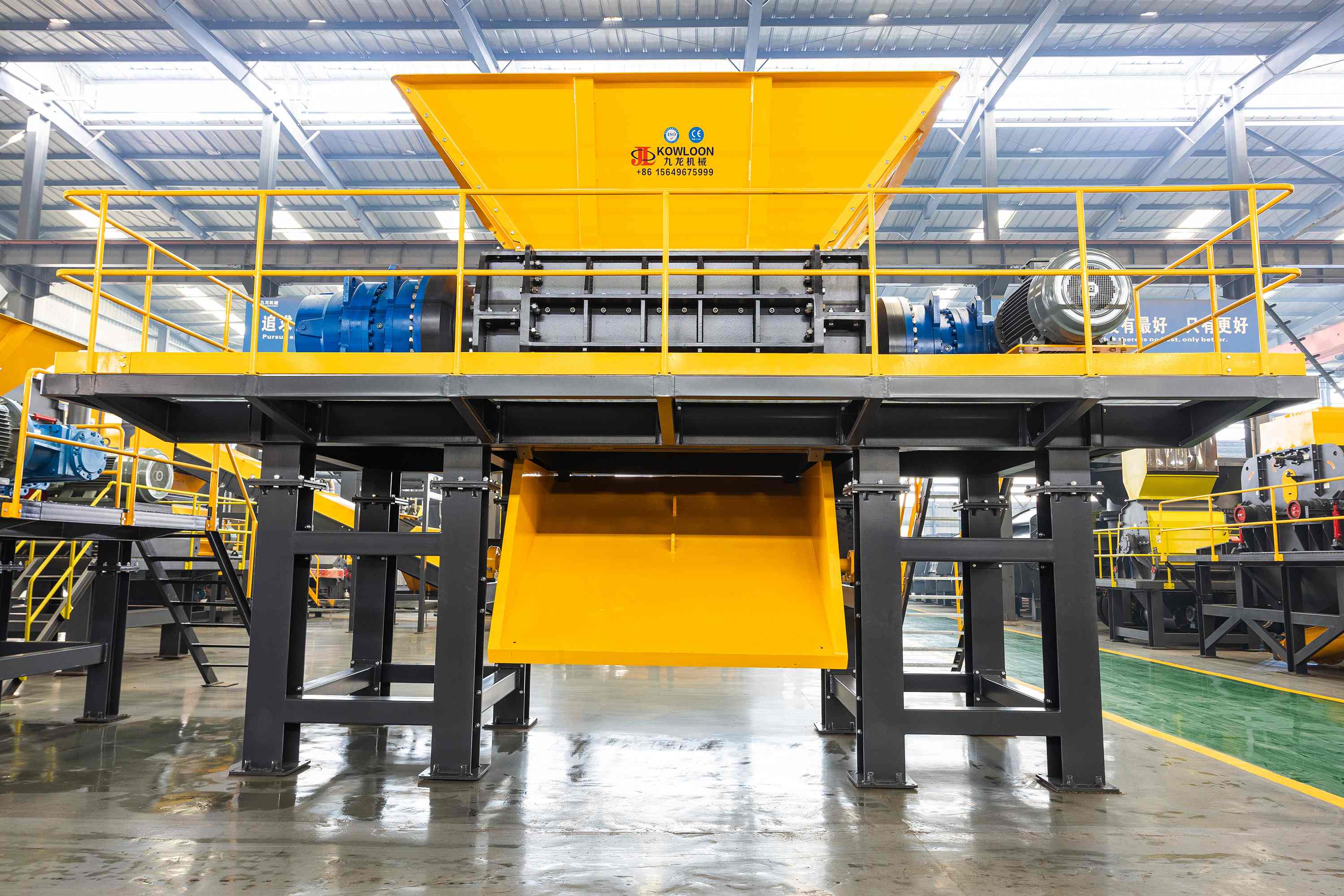
Top Tire Recycling: Sustainable Solutions for Eco-Friendly Disposal
2026-04-04
Did you know that millions of tires end up in landfills each year, posing serious environmental hazards? At Kowloon Machinery, we're transforming this challenge into an opportunity with top-tier recycling solutions that prioritize sustainability and eco-friendly disposal. In this blog, we'll explore how innovative technology can turn discarded tires into valuable resources, reducing waste and protecting our planet. Dive in to discover cutting-edge approaches that make a real difference.
Innovative Tire Recycling Methods Transforming Waste
Gone are the days when discarded tires piled up in landfills or were simply burned, releasing harmful pollutants into the air. Today, inventive recycling techniques are turning this persistent waste stream into valuable resources. For example, pyrolysis, a process that heats tires in the absence of oxygen, breaks them down into oil, carbon black, and steel wire. These materials can be repurposed in manufacturing, reducing reliance on virgin resources. This method not only minimizes environmental harm but also opens up new economic opportunities, showcasing how innovation can tackle waste challenges head-on.
Beyond pyrolysis, creative applications like using shredded tire rubber in athletic tracks and playground surfaces have gained traction. This approach enhances safety with its shock-absorbing properties while diverting millions of tires from disposal sites. Additionally, some companies are experimenting with devulcanization, a process that restores rubber's elasticity, allowing it to be reused in new tire production. These diverse methods illustrate a shift from linear waste management to a circular economy, where every component finds a second life.
The transformation extends further into high-tech realms, such as incorporating recycled tire materials into 3D printing filaments or asphalt mixtures for more durable roads. This not only extends product lifecycles but also reduces carbon footprints by cutting down on raw material extraction. As these innovative practices evolve, they inspire broader adoption across industries, proving that with ingenuity, even the most stubborn waste can become a catalyst for sustainability and growth.
Environmental Benefits of Recycling Old Tires
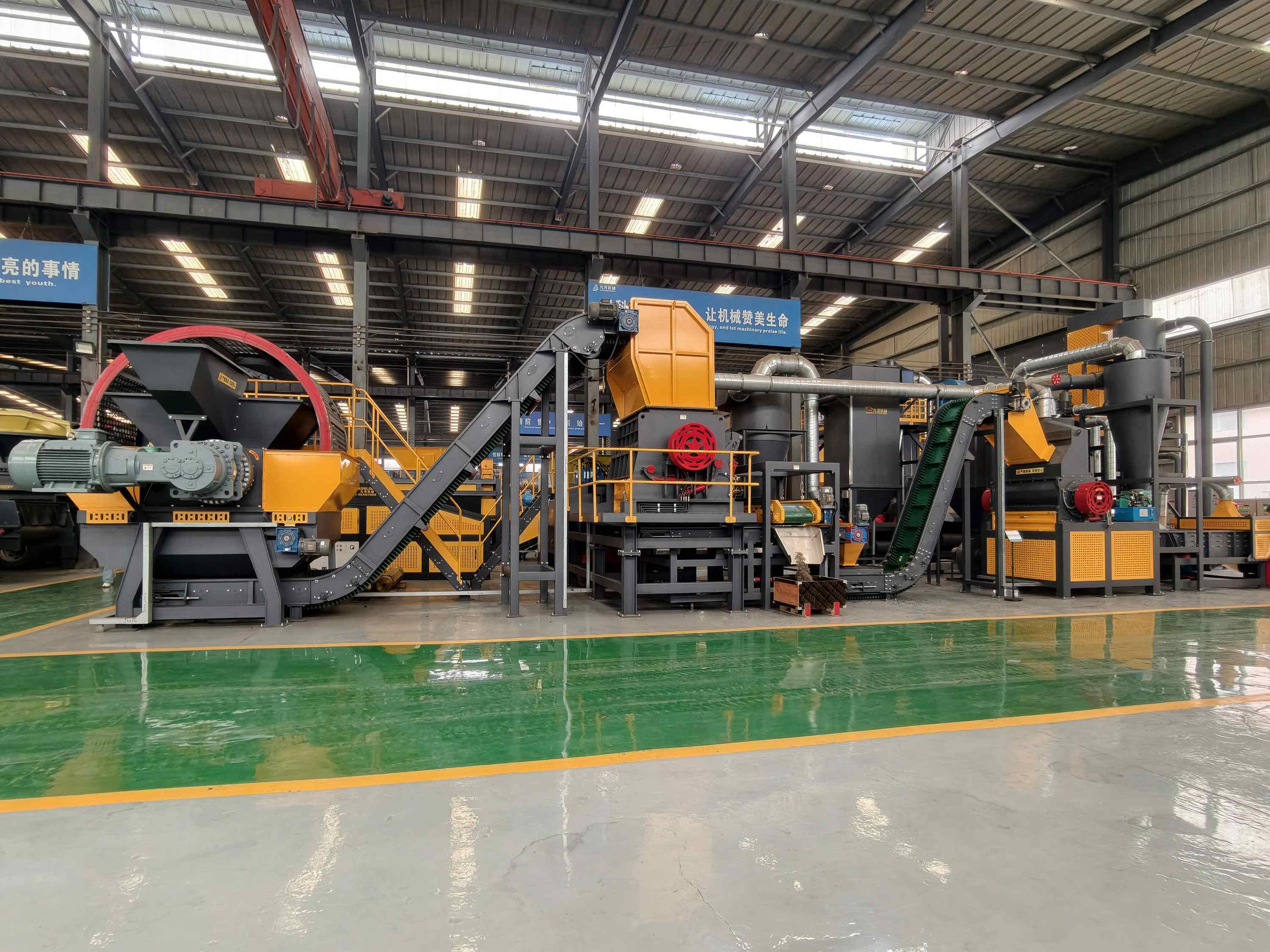
Recycling old tires offers significant environmental advantages by diverting millions of tires from landfills each year, where they pose risks like leaching chemicals into soil and water. Instead, these discarded tires are transformed into valuable materials such as rubber mulch for playgrounds, which enhances safety and reduces the need for virgin resources, thereby cutting down on deforestation and habitat destruction. This process not only conserves natural landscapes but also minimizes the visual and ecological blight of tire piles, fostering cleaner communities and healthier ecosystems.
Beyond waste reduction, tire recycling contributes to energy efficiency and carbon footprint reduction. When tires are repurposed into fuel alternatives for industries like cement manufacturing, it reduces reliance on fossil fuels and lowers greenhouse gas emissions compared to producing new materials from scratch. Additionally, innovations in recycling technologies enable the creation of durable products like asphalt rubber for roads, which can last longer and reduce maintenance needs, thus saving energy and resources over time. This cycle of reuse underscores a sustainable approach that aligns with broader climate goals.
Furthermore, recycling tires helps combat pollution and promotes biodiversity by preventing the accumulation of non-biodegradable waste in natural environments. Tires left to deteriorate can become breeding grounds for pests and release harmful substances, but through recycling, they are safely processed into components for products like athletic tracks or construction materials, mitigating these environmental hazards. This proactive management supports soil and water quality, ensuring that ecosystems remain resilient and less burdened by human waste, ultimately contributing to a more balanced and sustainable planet.
Global Trends in Sustainable Tire Disposal
Sustainable tire disposal has evolved significantly in recent years, driven by environmental concerns and regulatory pressures. A key trend is the shift from simple landfilling, which can lead to soil and water contamination, toward advanced recycling methods. Innovations like pyrolysis are gaining traction, converting old tires into valuable products such as biofuels, carbon black for new tires, and raw materials for construction. This not only reduces waste but also creates economic opportunities, making it a win-win for industries and ecosystems alike. As governments worldwide tighten disposal laws, businesses are investing more in these technologies, paving the way for a circular economy that minimizes environmental impact.
Another emerging trend is the integration of smart technologies to track and manage tire disposal globally. Companies are using digital platforms to monitor tire lifecycles, ensuring proper recycling or reuse from production to end-of-life. This transparency helps reduce illegal dumping and improves efficiency in waste streams. In regions like Europe and North America, extended producer responsibility (EPR) schemes are becoming more common, holding manufacturers accountable for their products' disposal. This encourages design innovations, such as tires that are easier to recycle or last longer, ultimately cutting down on waste generation and promoting greener practices across the supply chain.
In developing countries, sustainable disposal efforts are often hindered by infrastructure gaps and economic constraints. However, there's a growing push for low-cost, community-based solutions, like tire-derived materials for building roads or playgrounds. International collaborations and funding are helping to scale these initiatives, fostering a more equitable approach to tire waste management. Additionally, consumer awareness is on the rise, with people opting for eco-friendly brands and supporting local recycling programs. As these trends converge, the future of tire disposal looks promising, with a focus on reducing environmental footprints and ensuring that every tire finds a second life.
Applications of Recycled Rubber Products
Recycled rubber products are transforming various industries by offering sustainable alternatives to traditional materials. For instance, in sports and recreation, rubber mulch derived from old tires is widely used in playgrounds, providing a safer, shock-absorbing surface for children while reducing landfill waste. This not only enhances safety but also aligns with eco-friendly initiatives, as it repurposes millions of tires annually that might otherwise end up as environmental hazards.
Beyond recreational spaces, recycled rubber finds innovative applications in construction and infrastructure. Crumb rubber, made by grinding up tires, is blended into asphalt to create rubberized pavements, which are more durable and reduce road noise compared to conventional materials. This approach extends the lifespan of roadways and helps manage the vast stockpile of discarded tires, turning a waste problem into a valuable resource for building resilient communities.
In everyday consumer goods, recycled rubber is also making strides as a versatile material. Items like weatherproof mats, garden accessories, and even shoe soles incorporate reprocessed rubber to offer durability and sustainability. By choosing such products, consumers contribute to a circular economy that minimizes environmental impact while supporting industries dedicated to reducing resource consumption and promoting greener living practices.
Challenges and Solutions in Tire Recycling
Tire recycling faces significant hurdles, starting with the sheer volume of waste generated globally—millions of tires are discarded each year, posing environmental risks like fire hazards and habitat disruption. Another major challenge stems from the complex composition of tires, which blend rubber, steel, and textiles in ways that make separation difficult and costly. This complexity often leads to downcycling, where materials end up in low-value products, rather than achieving full circular economy goals.
To tackle these issues, innovative solutions are emerging. Pyrolysis technology, for example, breaks down tires into oil, gas, and carbon black through thermal decomposition, offering a cleaner alternative to landfill disposal. Reclaimed rubber can be repurposed for high-end applications like playground surfaces or athletic tracks, enhancing its value. Moreover, advancements in cryogenic grinding—freezing tires to make them brittle before shredding—improve efficiency and reduce energy use, addressing separation challenges more effectively.
Collaboration across industries and policy support are vital for scaling these solutions. Governments can incentivize research and mandate higher recycled content in new products, while companies can invest in closed-loop systems that reuse materials directly. By integrating these approaches, the tire recycling sector can move beyond traditional constraints, turning waste into valuable resources and minimizing environmental impact.
Future Directions for Eco-Friendly Tire Management
Looking ahead, eco-friendly tire management is poised for significant innovation, driven by advances in materials science and recycling technologies. One promising avenue involves enhancing tire durability through novel compounds derived from bio-based sources like natural rubber from dandelions or guayule, which could reduce reliance on synthetic rubbers and lower the carbon footprint of production. Additionally, the integration of smart sensors into tires is gaining traction, enabling real-time monitoring of tread wear and pressure to optimize performance and extend lifespan, thereby minimizing waste. Researchers are also exploring closed-loop systems that transform end-of-life tires into valuable resources, such as fuel alternatives or construction materials, through pyrolysis or mechanical recycling—a move that could turn tire disposal from an environmental burden into a circular economy asset.
Another critical direction focuses on improving regulatory frameworks and consumer engagement to foster sustainable practices globally. Governments and industry bodies are increasingly pushing for stricter standards on tire composition, including limits on hazardous chemicals and mandates for higher recycled content, which could incentivize manufacturers to innovate greener designs. On the consumer side, there's a growing push for awareness campaigns and programs that encourage proper tire maintenance, like regular rotations and pressure checks, which not only enhance safety but also reduce premature wear and disposal. Initiatives such as tire take-back schemes and deposit-refund systems are also being tested in various regions, aiming to boost collection rates and ensure more tires enter recycling streams rather than landfills or illegal dumping sites.
Beyond these technical and policy shifts, the future may see a broader embrace of collaborative models across industries and communities. Partnerships between automotive companies, waste management firms, and tech startups could accelerate the development of integrated solutions, such as mobile apps that track tire lifecycle data or blockchain systems to verify sustainable sourcing and recycling claims. Moreover, empowering local communities through education and infrastructure, like setting up small-scale recycling hubs in urban areas, can make eco-friendly tire management more accessible and impactful. By blending innovation with proactive stewardship, these efforts aim to create a resilient system where tires contribute to environmental health rather than harm, marking a step toward a more sustainable mobility ecosystem.
FAQ
Top tire recycling refers to advanced methods of reusing or repurposing used tires, moving beyond basic disposal. It's gaining attention because traditional tire dumping causes environmental hazards like toxic fires and habitat loss, while recycling offers eco-friendly alternatives that reduce waste and pollution.
It supports sustainability by conserving resources—recycled tires can be turned into materials like rubberized asphalt for roads, reducing the need for virgin oil and aggregates. This lowers carbon emissions from production and extends infrastructure lifespan, creating a circular economy that benefits both the environment and economy.
Beyond common uses like playground surfaces, recycled tires are innovatively used in erosion control mats for landscaping, soundproofing panels in buildings, and even as components in high-fashion accessories. Some companies also convert them into fuel alternatives through pyrolysis, showing versatility in waste-to-energy solutions.
Challenges include high initial costs for specialized equipment, regulatory hurdles around emissions from processes like pyrolysis, and market fluctuations for recycled materials. Additionally, collecting and sorting tires efficiently can be logistically tough, requiring partnerships and community engagement to scale effectively.
Individuals can participate by properly disposing of old tires at designated collection points, supporting local recycling programs, and choosing products made from recycled rubber. Communities can organize tire amnesty events, advocate for stronger recycling policies, and educate residents on the environmental benefits to foster collective action.
Emerging trends include increased use of AI and automation for better tire sorting, advancements in chemical recycling to break down tires into raw materials without byproducts, and growing demand for green infrastructure projects using recycled rubber. There's also a push for global standards to improve recycling rates and innovation.
Conclusion
The discourse on top tire recycling highlights a paradigm shift in waste management, where innovative methods are transforming discarded tires from environmental liabilities into valuable resources. Techniques such as pyrolysis, cryogenic grinding, and devulcanization are revolutionizing the industry, enabling the breakdown of tires into reusable materials like crumb rubber, steel, and carbon black. This aligns with global trends favoring sustainable disposal, as countries increasingly adopt circular economy principles and stringent regulations to minimize landfill dumping. The environmental benefits are substantial, including reduced pollution from tire fires, conservation of raw materials, and decreased greenhouse gas emissions compared to traditional disposal methods. These advancements are not just theoretical but are being implemented worldwide, driving a greener approach to tire waste.
The applications of recycled rubber products are diverse, extending to civil engineering projects like road construction, playground surfaces, and athletic tracks, as well as consumer goods such as footwear and automotive parts. However, the industry faces challenges, including high initial costs for recycling technologies, market fluctuations for recycled materials, and contamination issues in tire collection. Solutions involve public-private partnerships, technological innovations to improve efficiency, and awareness campaigns to promote tire recycling among consumers. Looking ahead, future directions for eco-friendly tire management include scaling up advanced recycling processes, integrating digital tracking systems for tire life cycles, and fostering international collaboration to standardize sustainable practices. This holistic approach ensures that tire recycling continues to evolve as a key component of global sustainability efforts, offering practical and scalable solutions for eco-friendly disposal.
Contact Us
Contact Person: Ray
Email: [email protected]
Tel/WhatsApp: +86 13733817580
Website: https://www.zzkowloon.com/