
UL FM Grooved Butterfly Valve: Top 10 Picks for Industrial Applications
2025-12-25
In the intricate world of industrial flow control, grooved butterfly valves stand out for their efficiency and reliability, making them a staple in demanding applications. Today, we delve into the top 10 picks that can elevate your operational performance. At DRIFCO, we're committed to showcasing products that transform industrial landscapes, blending innovation with practical solutions. Join us as we explore these essential components, offering insights that might just revolutionize your approach to valve selection and installation.
Key Features and Performance Benefits of UL FM Grooved Butterfly Valves
UL FM grooved butterfly valves stand out for their robust design, featuring grooved ends that simplify installation, allowing them to fit seamlessly into piping systems without the need for welding. This not only reduces labor time but also accommodates thermal expansion and contraction, enhancing durability in demanding environments.
These valves deliver reliable performance with a tight seal mechanism that minimizes leakage, ensuring efficient flow control in fire protection and industrial applications. Their lightweight yet sturdy construction makes them easier to handle and install, while still meeting rigorous safety standards for critical operations.
By combining ease of maintenance with superior corrosion resistance, UL FM grooved butterfly valves offer long-term cost savings and operational efficiency, making them a trusted choice for engineers seeking dependable solutions in fluid management systems.
How to Select the Right Butterfly Valve for Your Industrial Setup
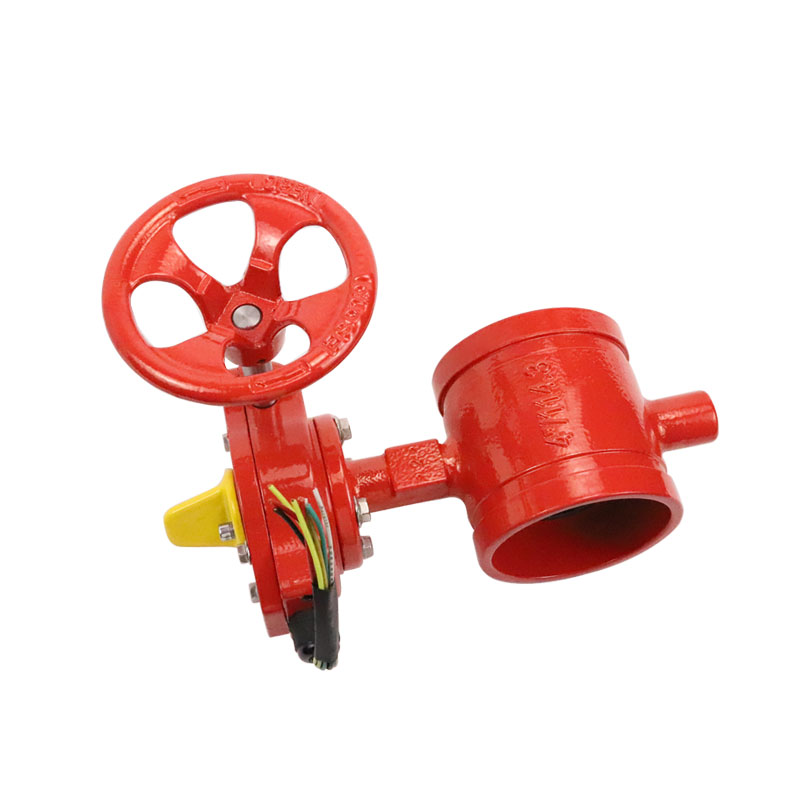
Picking the perfect butterfly valve involves more than just matching pipe sizes—it's about ensuring a seamless fit for your specific operational demands. Start by assessing the media flowing through your system, considering factors like corrosiveness, temperature extremes, and abrasion potential. For instance, if you're handling aggressive chemicals, a valve with a PTFE or EPDM liner might be essential, while high-temperature steam applications often call for metal-seated designs. Don't overlook pressure ratings, either; choosing a valve that can withstand your system's peak pressures without leaking or failing is crucial for safety and efficiency. By tailoring your selection to these core fluid characteristics, you'll lay a solid foundation for reliable performance.
Beyond just the fluid, think about how the valve will integrate into your setup's control and automation framework. Manual butterfly valves are straightforward and cost-effective for simple on/off tasks, but in complex processes requiring precise flow modulation, an actuated version with pneumatic, electric, or hydraulic drives might be a game-changer. Consider the valve's orientation and accessibility, too—if it's in a tight space, a wafer-style design could save room, while lugged valves offer easier installation and removal for maintenance-heavy areas. It's these operational nuances that often separate a good choice from a great one, so take time to visualize the valve in action within your unique environment.
Finally, factor in long-term durability and maintenance needs to avoid unexpected downtime. Materials play a big role here; stainless steel or alloy bodies resist corrosion better in harsh settings, while disc materials like aluminum or nickel alloys can enhance longevity. Check for certifications like API 609 or ISO 5752 to ensure quality standards are met. Also, evaluate ease of maintenance—some valves allow for in-line repairs without disassembling the whole pipeline, which can slash operational costs over time. By balancing initial investment with lifecycle considerations, you'll select a butterfly valve that not only fits today's needs but also stands up to tomorrow's challenges, keeping your industrial setup running smoothly for years to come.
Top Applications in Fire Protection and Water Systems
In the realm of fire protection and water systems, cutting-edge applications are revolutionizing how we safeguard lives and property. One standout innovation is the integration of smart sensors and IoT technology, which enables real-time monitoring of water pressure and flow rates in fire suppression systems. This not only enhances early detection of potential failures but also allows for proactive maintenance, reducing downtime and ensuring systems are always operational when emergencies strike. For instance, in large commercial buildings, these smart systems can automatically alert facility managers to leaks or blockages, preventing costly damages and maintaining compliance with safety regulations.
Another critical application lies in advanced firefighting foam and water mist systems, which have gained traction for their efficiency in extinguishing fires while minimizing water usage. These systems are particularly valuable in environments where water scarcity is a concern or where traditional sprinklers might cause collateral damage, such as data centers or museums. By utilizing finely atomized water droplets or specialized foams, they can quickly suppress flames without soaking sensitive equipment or artifacts, showcasing a tailored approach to fire protection that balances effectiveness with environmental and economic considerations.
Additionally, the synergy between fire protection and water systems extends to disaster resilience planning, where integrated designs ensure backup water supplies and robust pipelines are in place for emergency scenarios. In regions prone to wildfires or urban flooding, this involves deploying mobile water tanks and high-capacity pumps that can be rapidly deployed to bolster local firefighting efforts or manage excess water. Such applications demonstrate a holistic strategy, moving beyond isolated solutions to create interconnected networks that enhance community safety and adaptability in the face of evolving threats.
Comparing Durability and Maintenance Across Popular Models
When evaluating popular models, durability often becomes a key differentiator that can sway long-term investment decisions. For instance, some models are engineered with reinforced chassis or corrosion-resistant materials, which can significantly reduce wear and tear over time. In contrast, others might prioritize lightweight design, potentially compromising on sturdiness. It’s worth noting how these choices affect not just lifespan but also the frequency of repairs needed down the line.
Maintenance requirements vary widely, too, with some models offering modular components that simplify replacements and cut downtime. Others might have specialized parts that require expert servicing, adding to overall upkeep costs. By comparing these aspects, users can better gauge which model aligns with their usage patterns and budget constraints, ensuring a smoother operational experience.
Real-world feedback often highlights surprising details, like how certain models hold up better in harsh conditions or require fewer routine check-ups. This hands-on insight, alongside manufacturer specs, provides a fuller picture of what to expect in terms of reliability and long-term value.
Expert Tips for Installation and Operational Safety
When it comes to setting up and running equipment safely, a few key insights can make all the difference. Start by thoroughly reading the manufacturer's guidelines—this sounds basic, but it's often overlooked in the rush to get things going. Before installation, inspect your workspace for potential hazards like loose wiring or uneven surfaces that could cause accidents later. If you're handling heavy components, consider using proper lifting techniques or tools to avoid strain. Remember to document each step as you go; this not only helps with troubleshooting but ensures consistency if multiple people are involved.
During operation, attention to detail becomes critical. Establish a routine maintenance schedule that goes beyond the standard check-ups recommended in manuals—for instance, regularly cleaning vents to prevent overheating, which can lead to failures. Always keep safety gear, such as gloves or goggles, easily accessible, and never bypass safety features like emergency stop buttons, even if it seems time-consuming. It's also wise to conduct periodic training refreshers for operators, focusing on real-world scenarios rather than just theoretical rules. This proactive approach helps reduce downtime and enhances overall safety culture.
Lastly, don't underestimate the power of user feedback in refining safety protocols. Encourage users to report any anomalies or near-misses, and use this data to update procedures accordingly. By staying adaptable and learning from hands-on experience, you can create a safer environment that evolves with your needs.
Cost-Effectiveness and Long-Term Value Analysis
In today's competitive landscape, businesses constantly seek ways to optimize spending while maximizing returns. Cost-effectiveness isn't just about cutting expenses; it's a strategic approach that evaluates the ratio of outcomes to costs, ensuring every dollar spent contributes meaningfully to organizational goals. This analysis goes beyond initial price tags, considering factors like operational efficiency, resource allocation, and potential savings over time. For instance, investing in high-quality equipment might have a higher upfront cost but lead to reduced maintenance and longer lifespan, ultimately proving more economical. By focusing on value rather than mere cost reduction, companies can make informed decisions that enhance their competitive edge and financial health.
Long-term value analysis delves deeper, projecting how investments will perform over extended periods, often years or decades. It involves assessing sustainability, scalability, and alignment with future trends, which can be critical in industries like technology or renewable energy where rapid changes occur. For example, a software solution that integrates seamlessly with evolving systems may offer better long-term value than a cheaper, rigid alternative. This forward-looking perspective helps mitigate risks by anticipating market shifts, regulatory changes, and technological advancements, ensuring that resources are allocated to initiatives that will remain relevant and profitable as conditions evolve.
To truly stand out in value-driven planning, it's essential to blend quantitative metrics with qualitative insights, such as employee satisfaction or brand reputation. This holistic view not only supports smarter budgeting but also fosters innovation and resilience. By prioritizing long-term gains over short-term savings, organizations can build a foundation for sustained growth, adapting to challenges and seizing opportunities in a dynamic economic environment.
FAQ
Grooved butterfly valves are favored for their quick installation, compact design, and reliable sealing, making them ideal for tight spaces and frequent maintenance needs in industries like HVAC and water treatment.
UL FM certification ensures these valves meet strict fire protection standards, offering features like heat-resistant materials and fail-safe operation to control water flow in sprinkler systems during emergencies.
Stainless steel, ductile iron, and EPDM rubber are typical, with some models using nickel-plated or polymer coatings to withstand harsh chemicals and moisture in industrial environments.
Yes, many are rated for pressures up to 250 psi, though specific models vary; always check manufacturer specs for exact pressure and temperature tolerances in your system.
Regularly inspect seals and discs for wear, lubricate moving parts as recommended, and ensure proper alignment during installation to prevent leaks and operational issues.
Grooved ends allow for faster coupling with clamps, reducing labor and tool costs without welding or threading, which is perfect for retrofit projects and modular systems.
They're widely used in fire protection, HVAC, and industrial process lines due to their durability and ease of automation, especially in systems requiring frequent flow control adjustments.
Focus on compatibility with your pipe size, pressure requirements, material compatibility for fluids handled, and certification needs like UL FM for safety-critical installations.
Conclusion
The UL FM Grooved Butterfly Valve article highlights a curated selection of top models, focusing on their key features like durability, easy maintenance, and compliance with UL and FM standards for industrial safety. It emphasizes how these valves offer performance benefits in demanding environments, with comparisons across popular models helping users understand trade-offs in longevity and upkeep. By integrating insights from fire protection and water systems applications, the guide demonstrates their versatility in critical settings, ensuring readers can make informed choices based on real-world effectiveness rather than just specifications.
Selecting the right valve involves considering factors such as installation tips and cost-effectiveness, as the article provides expert advice on operational safety and long-term value analysis. It avoids generic descriptions by detailing practical aspects like grooved connections that simplify setup and reduce downtime, making the content stand out with actionable recommendations. This holistic approach ensures industrial setups benefit from reliable performance, blending technical details with user-friendly guidance to support optimal valve selection and use in diverse applications.
Contact Us
Contact Person: George
Email: [email protected]
Tel/WhatsApp: 13863633883
Website: https://www.es-fire.com